Yoshihiro
Suda

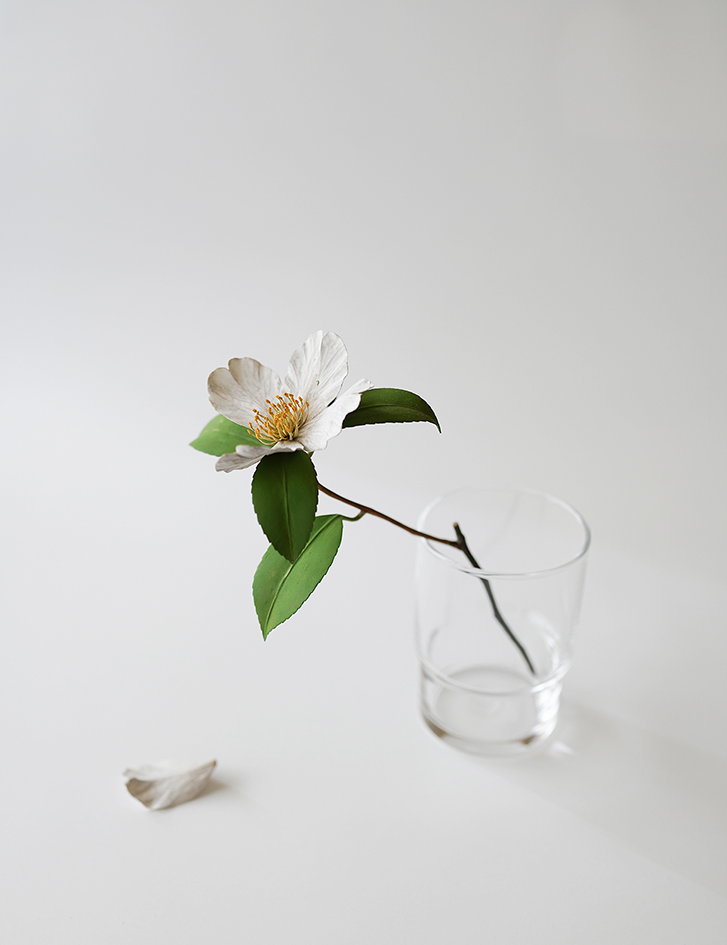
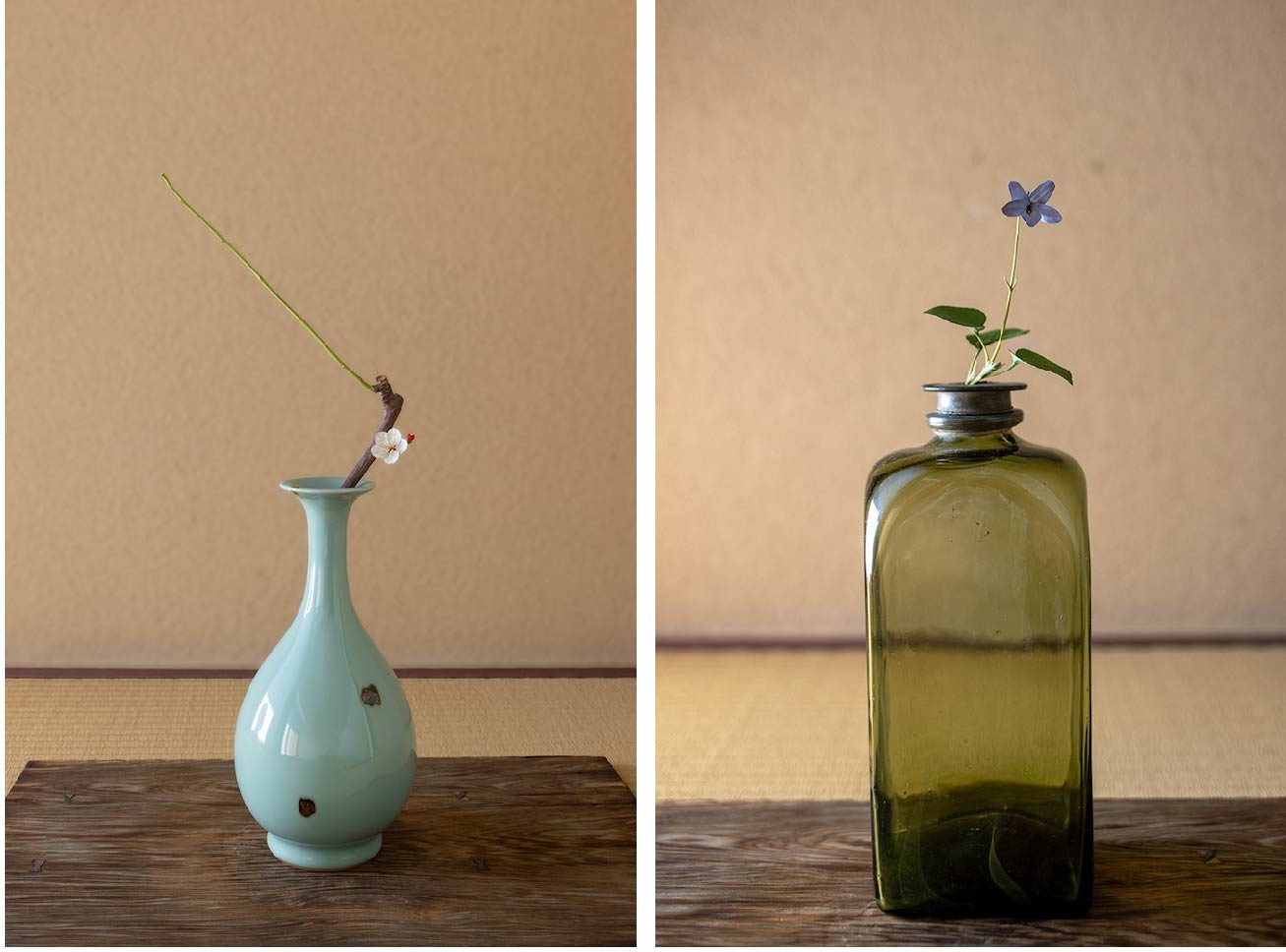
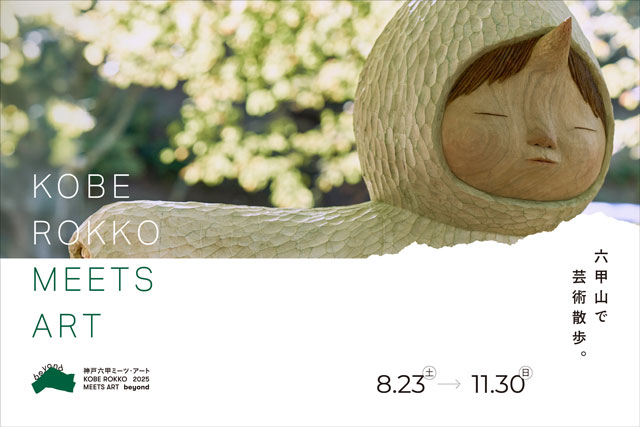
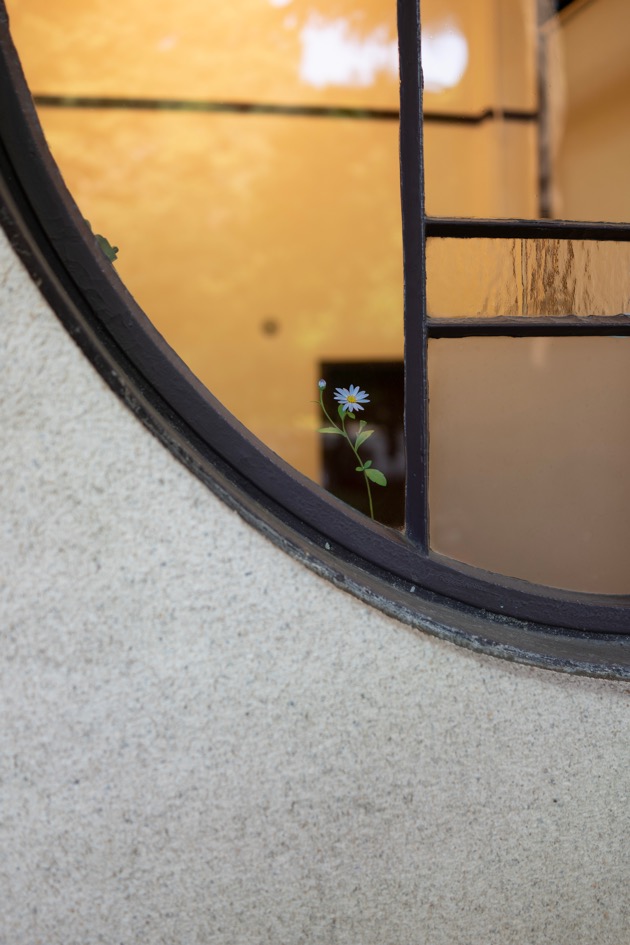
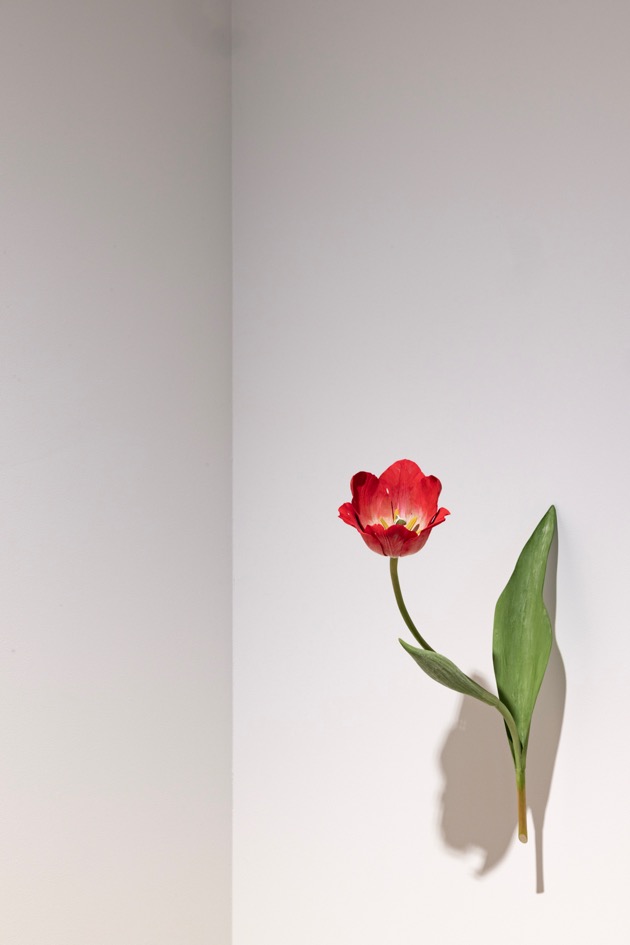
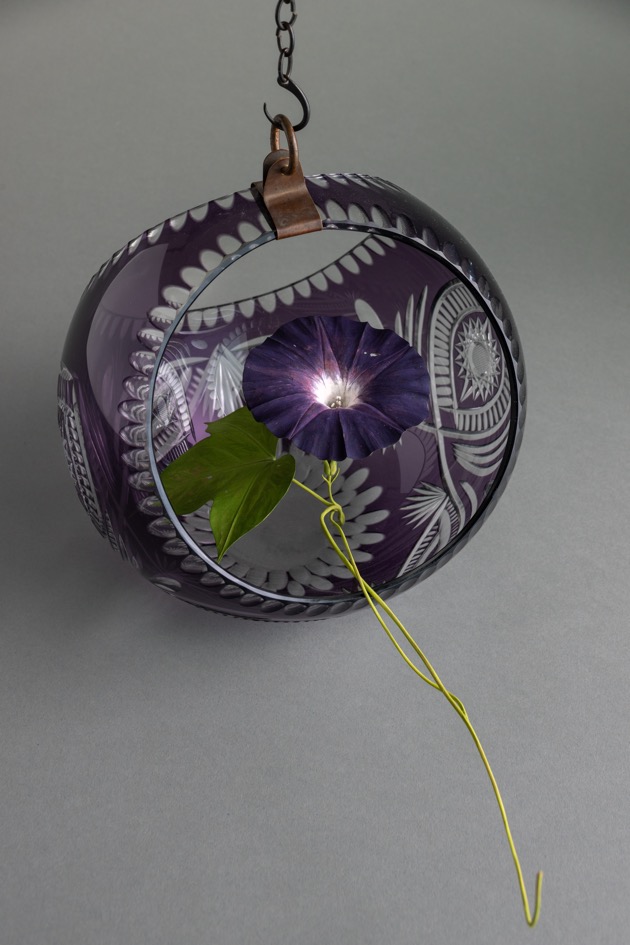
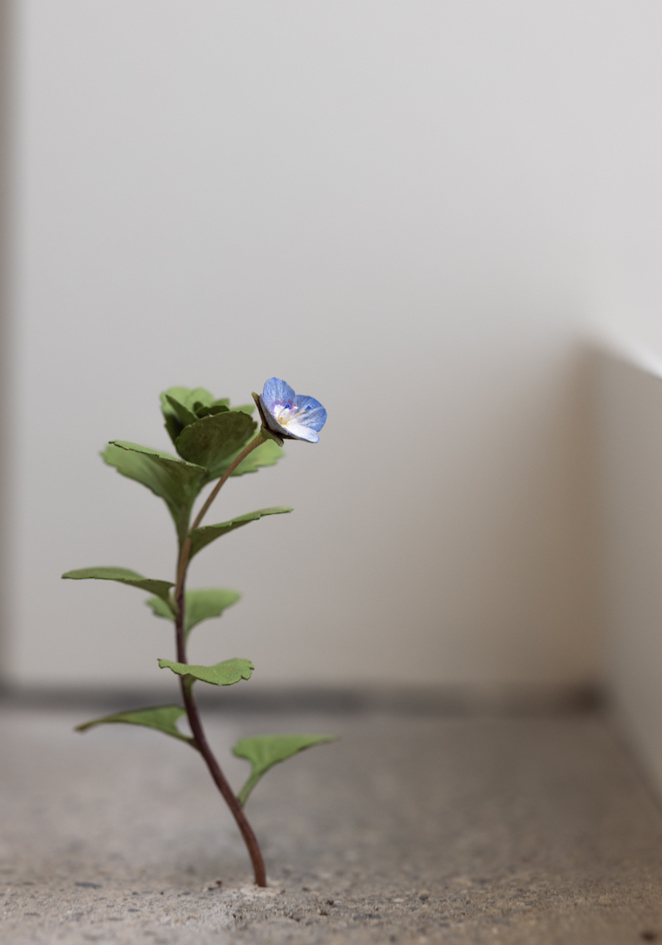
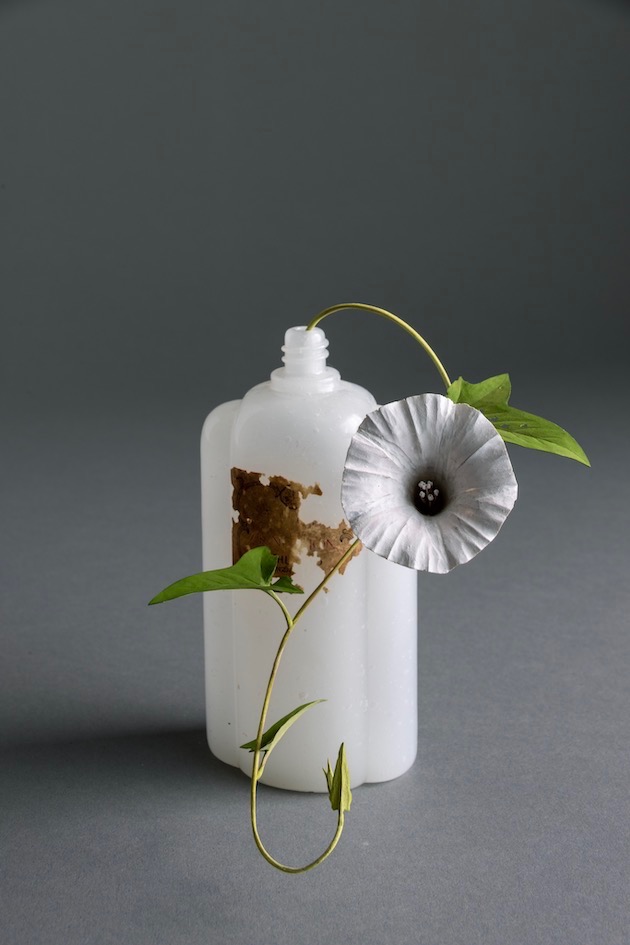
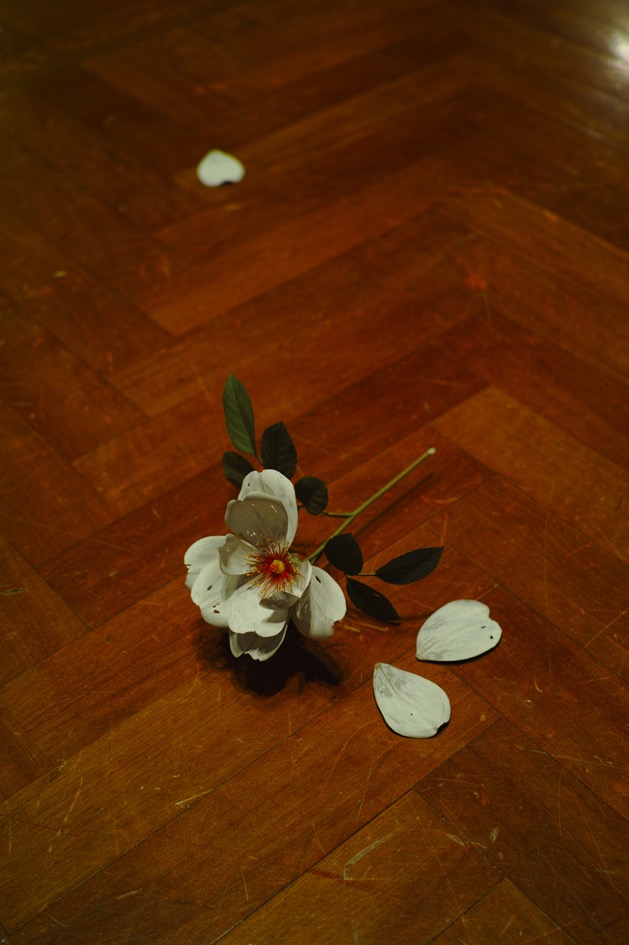
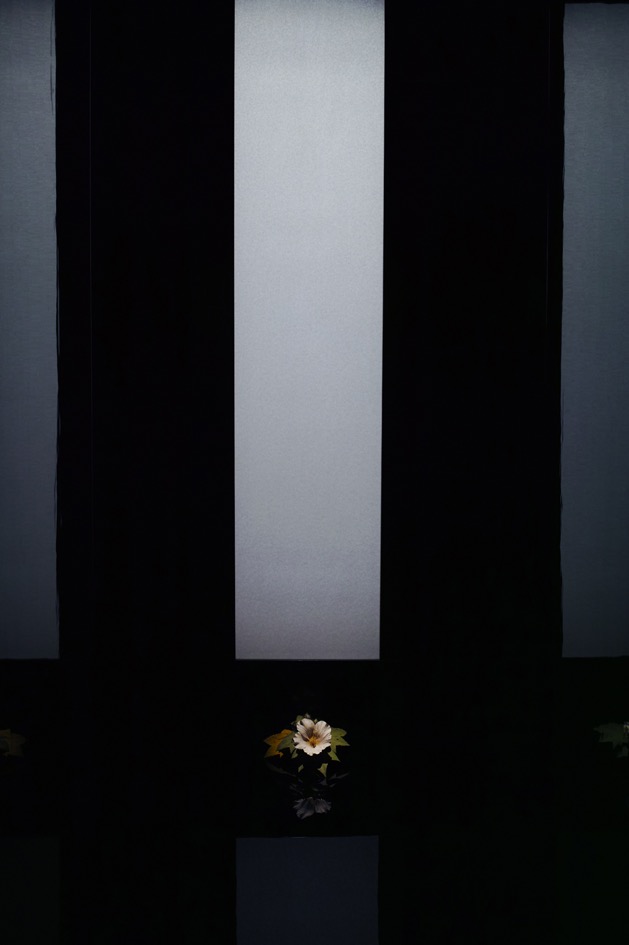
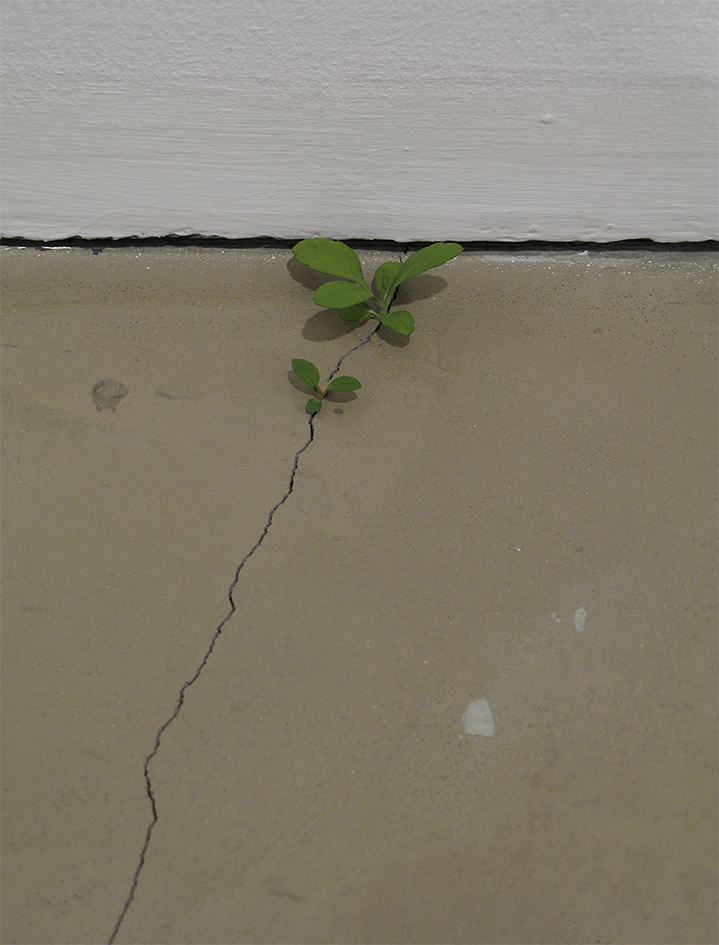
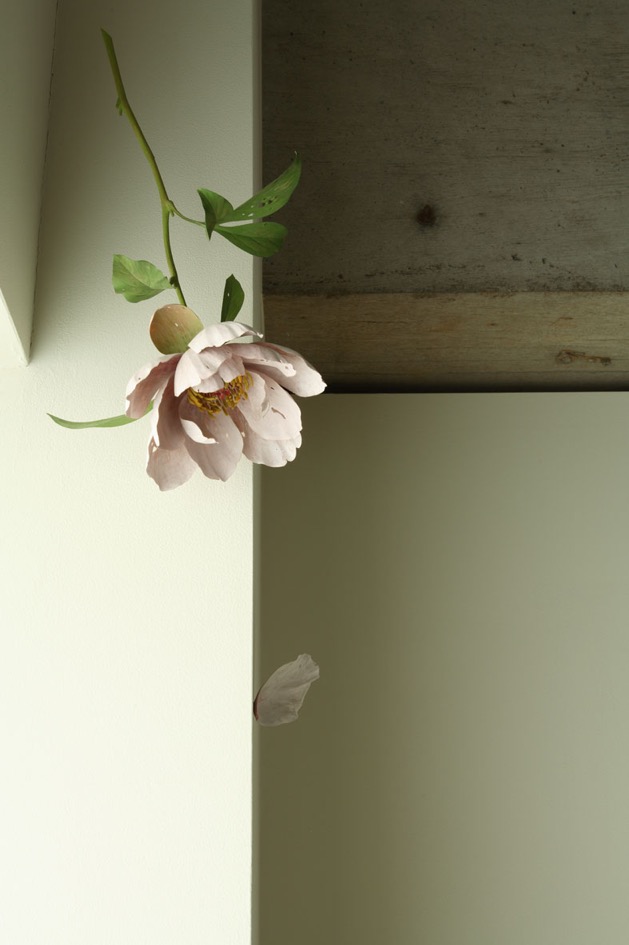
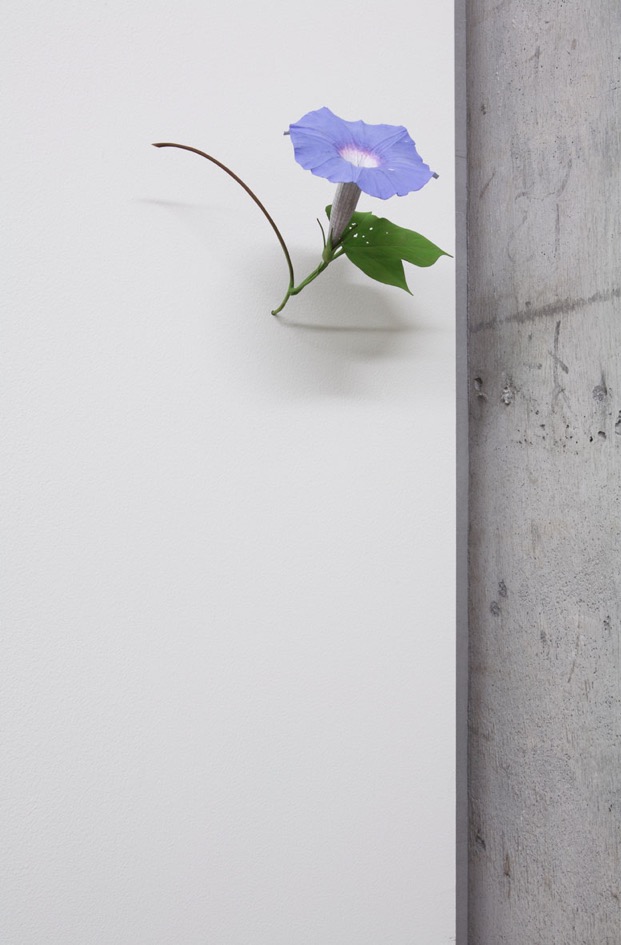
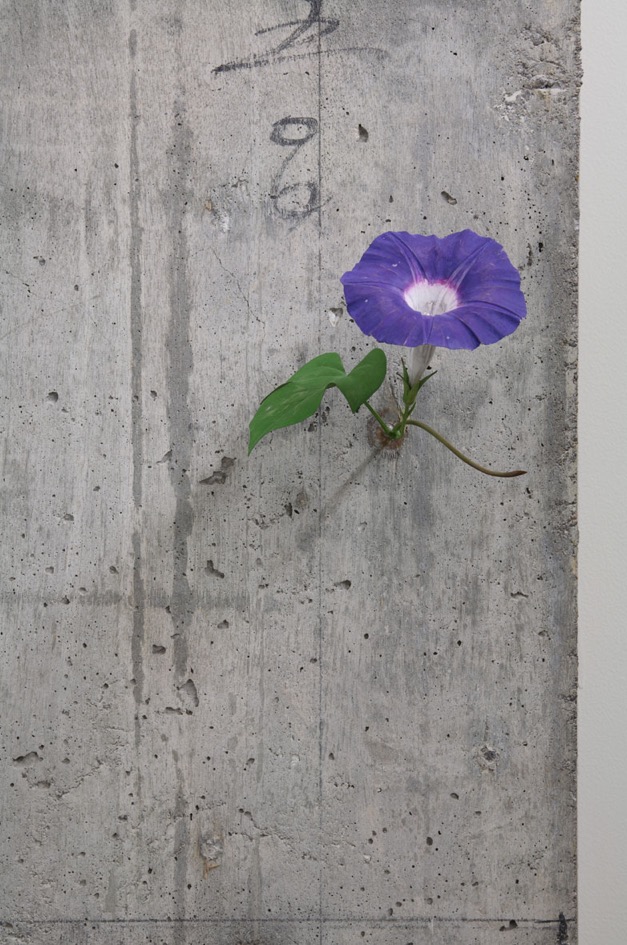
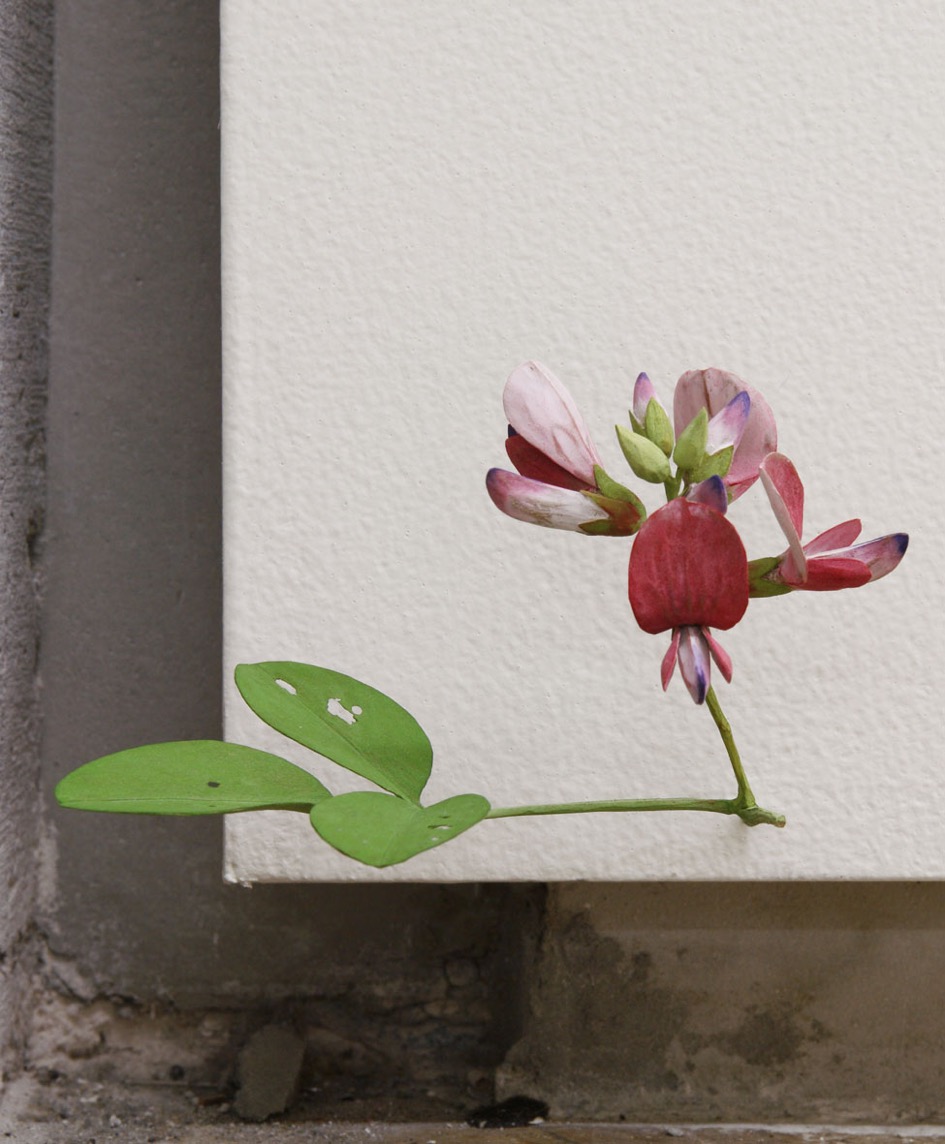
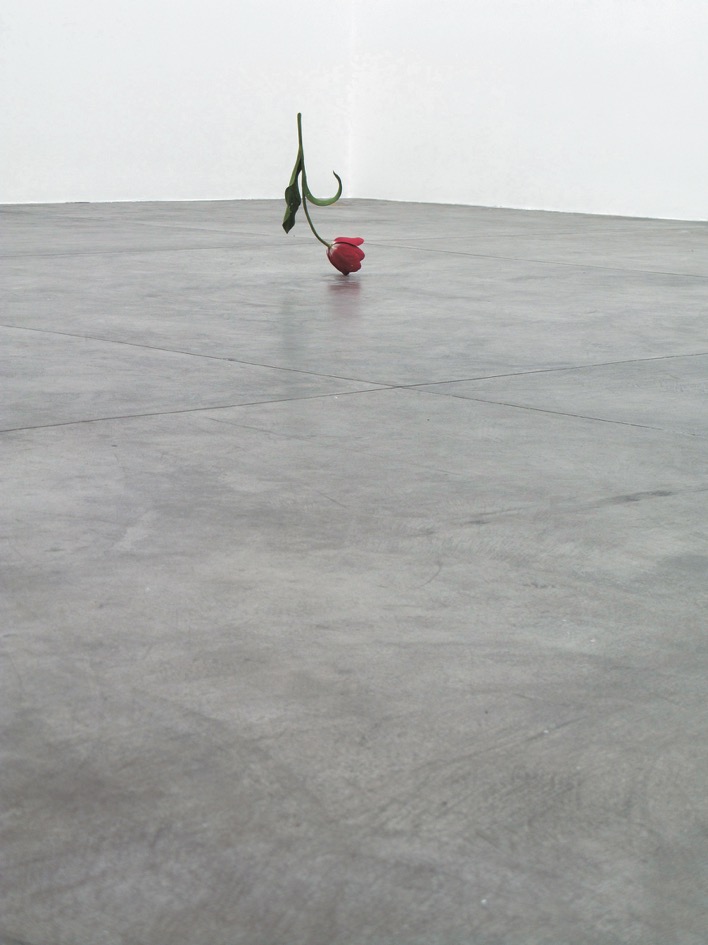
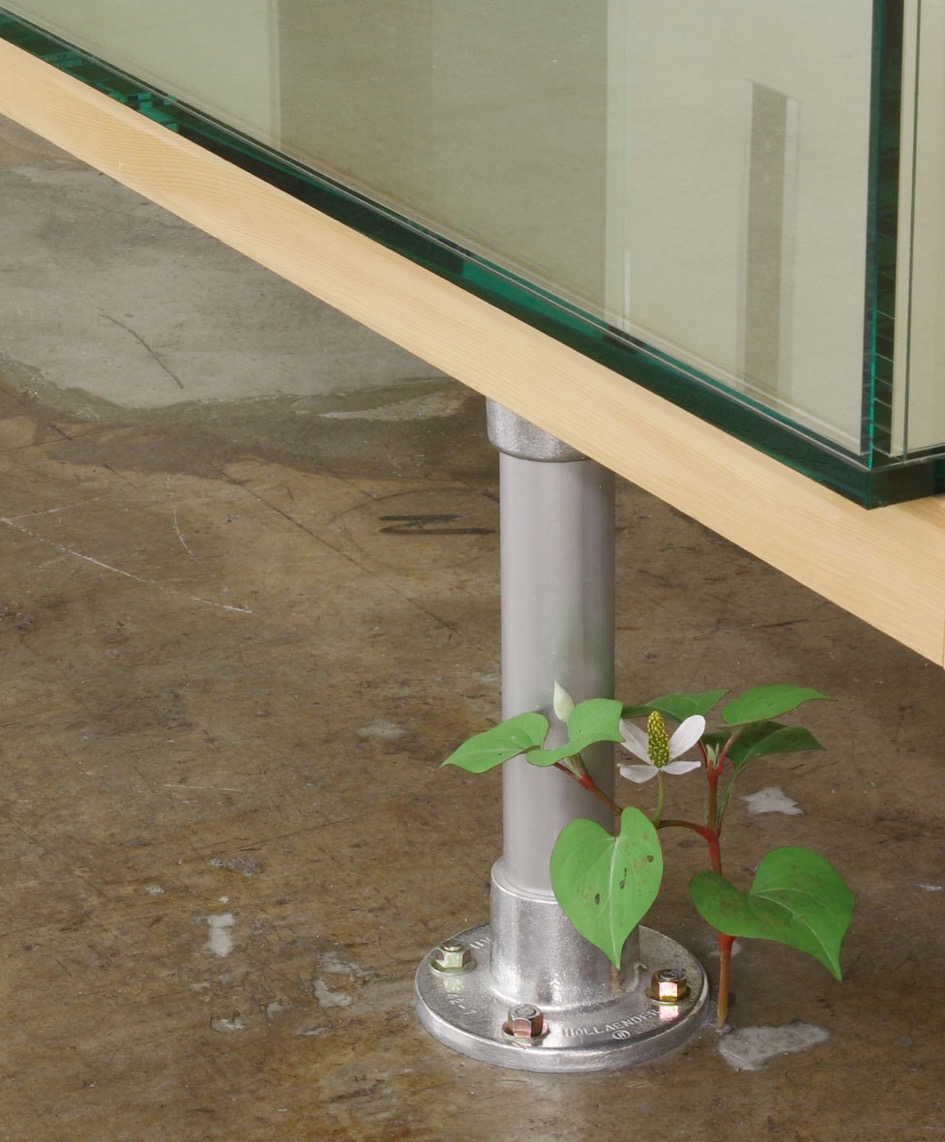
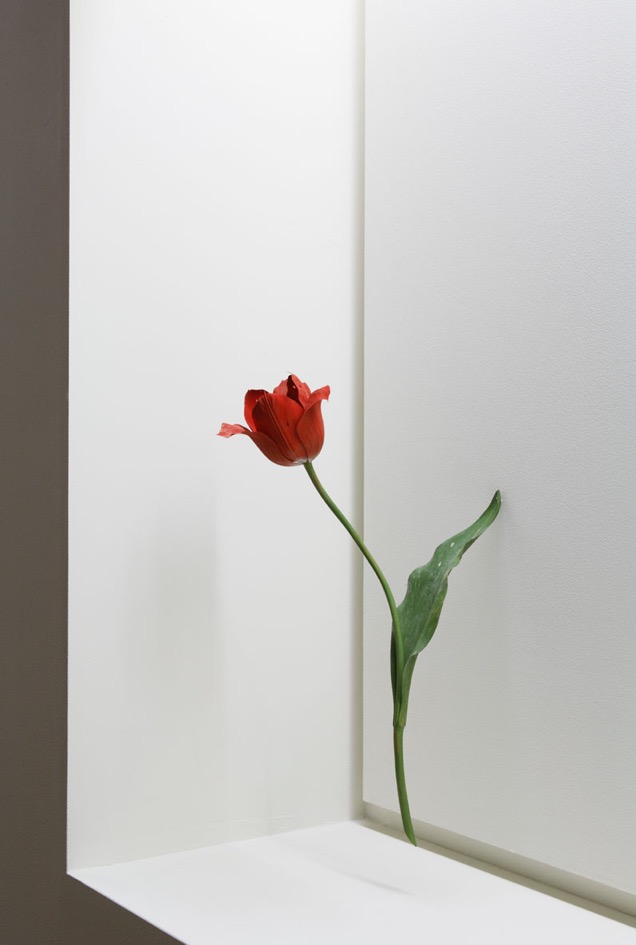
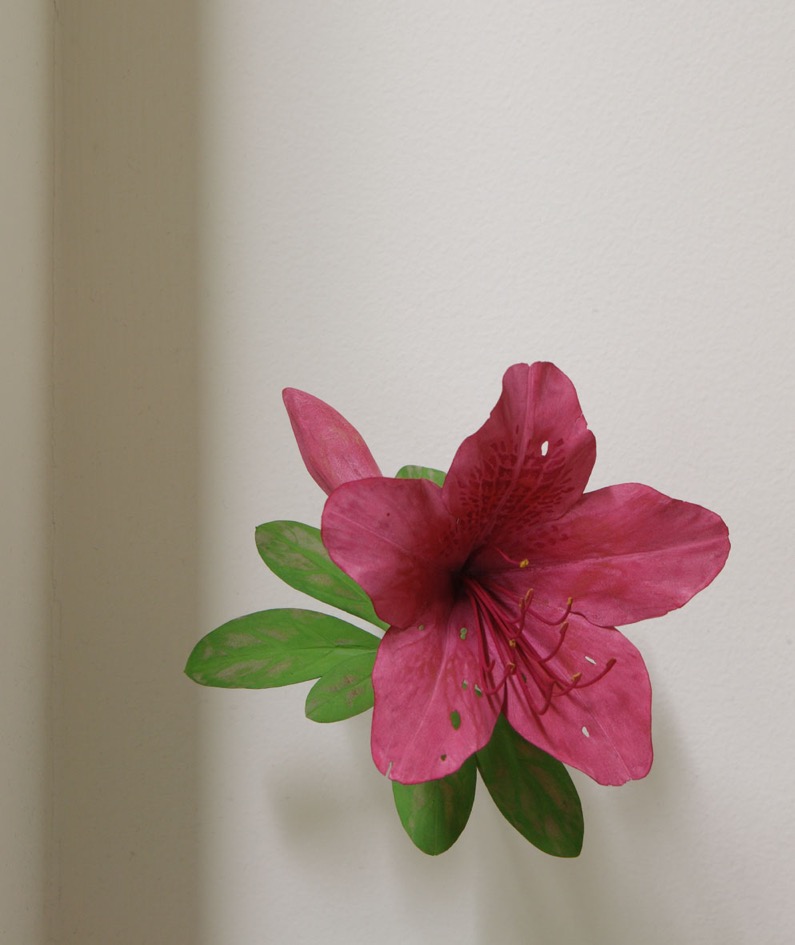
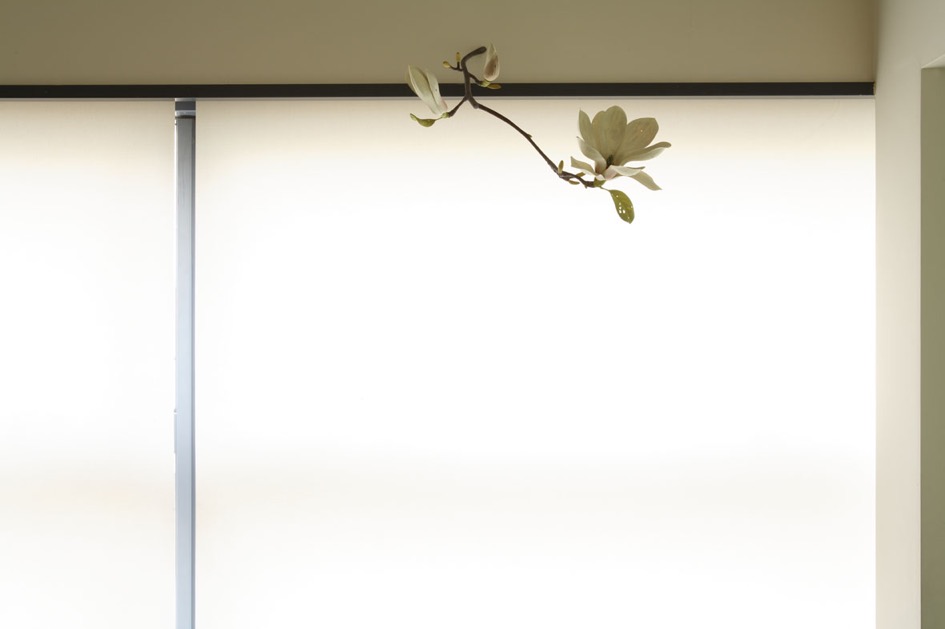
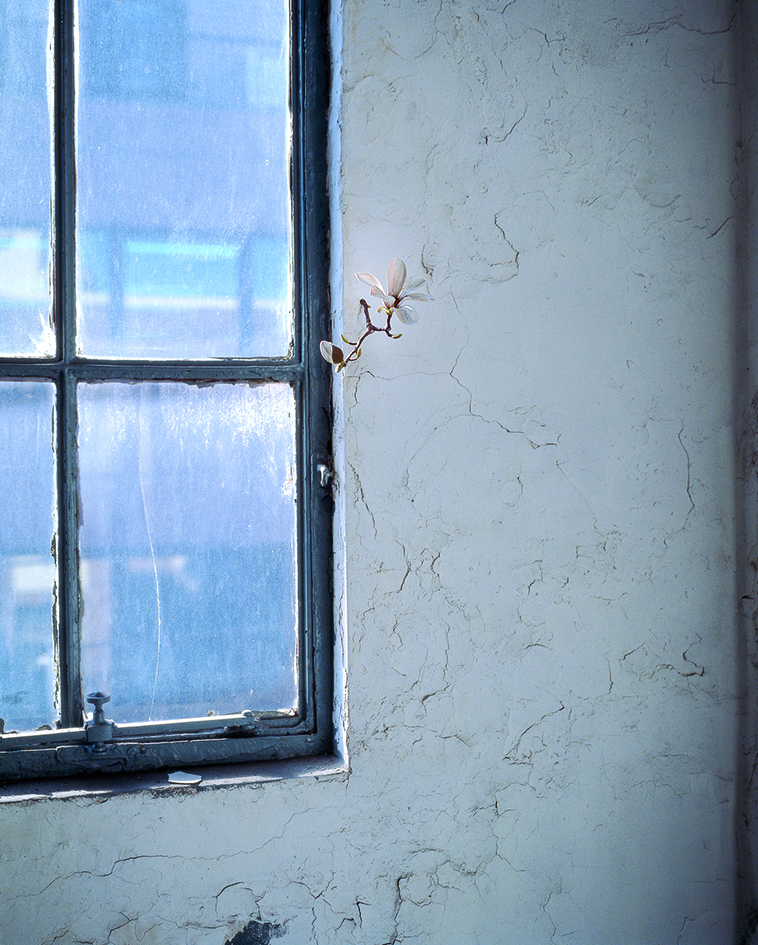
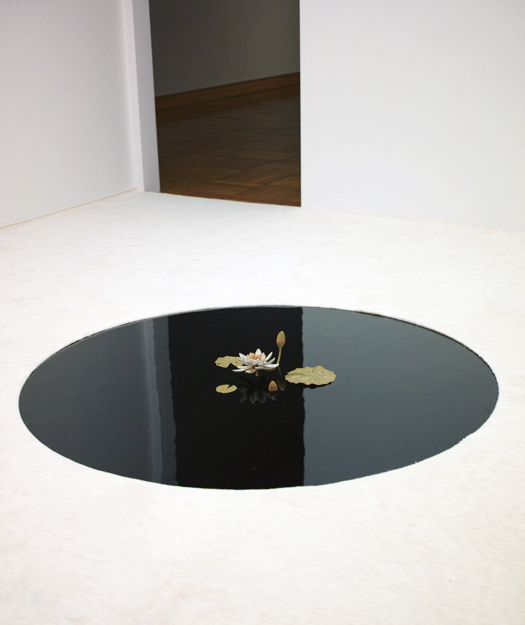
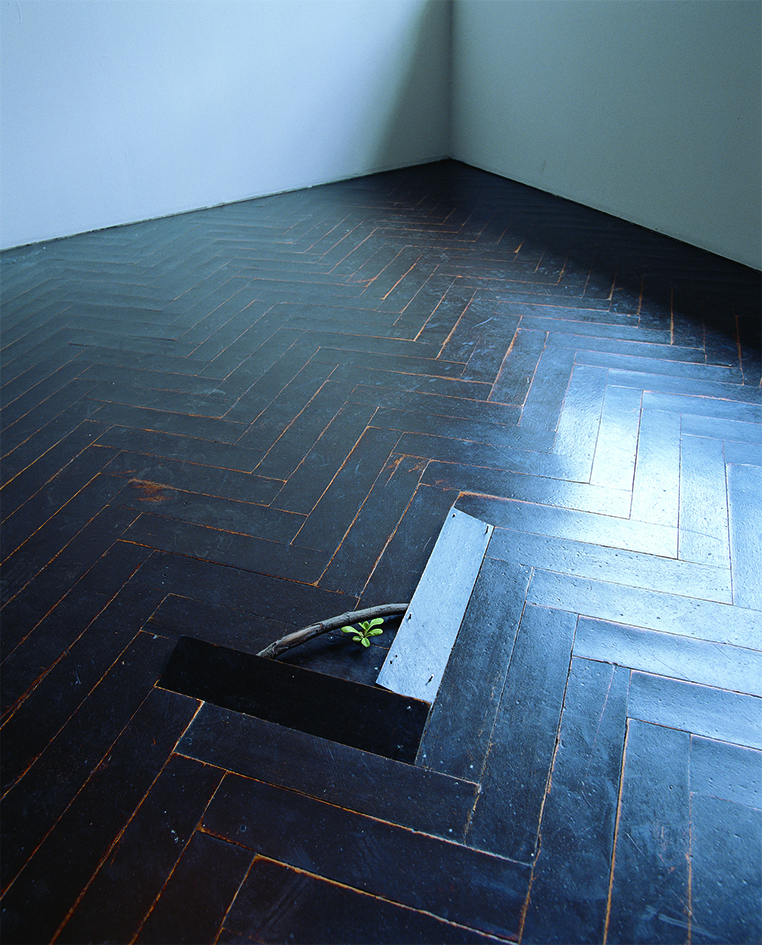
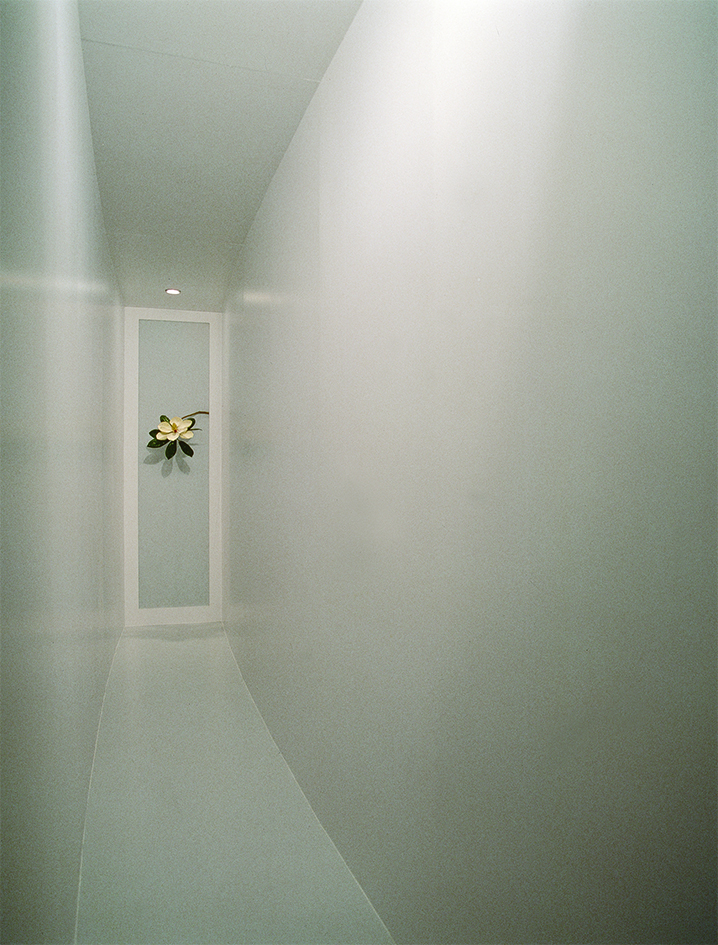
Yoshihiro Suda is known for wielding his outstanding skills to fashion intricate woodcarvings ranging from glorious blooms to nameless weeds, every one indistinguishable from the genuine article, and featuring them in installations that bring a variety of spaces into play. Works carved in Japanese magnolia wood to life-size dimensions and colored using mineral-based and other pigments are placed unobtrusively in the corner of a room, or a small gap in wall or floor, the viewer’s surprise and delight at this unexpected discovery followed swiftly by the experience of a shift in thinking as they perceive the entire space from a new perspective.
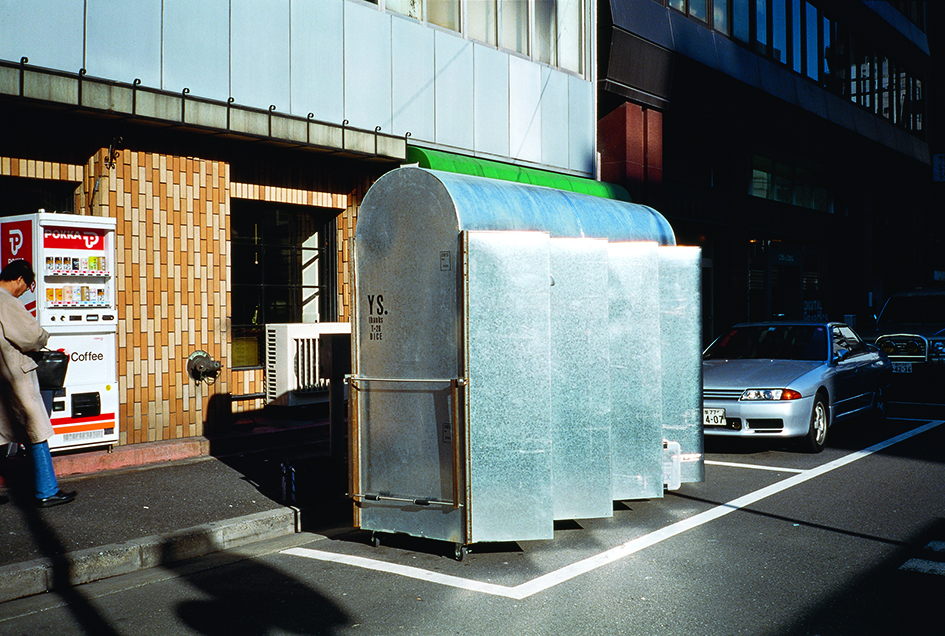
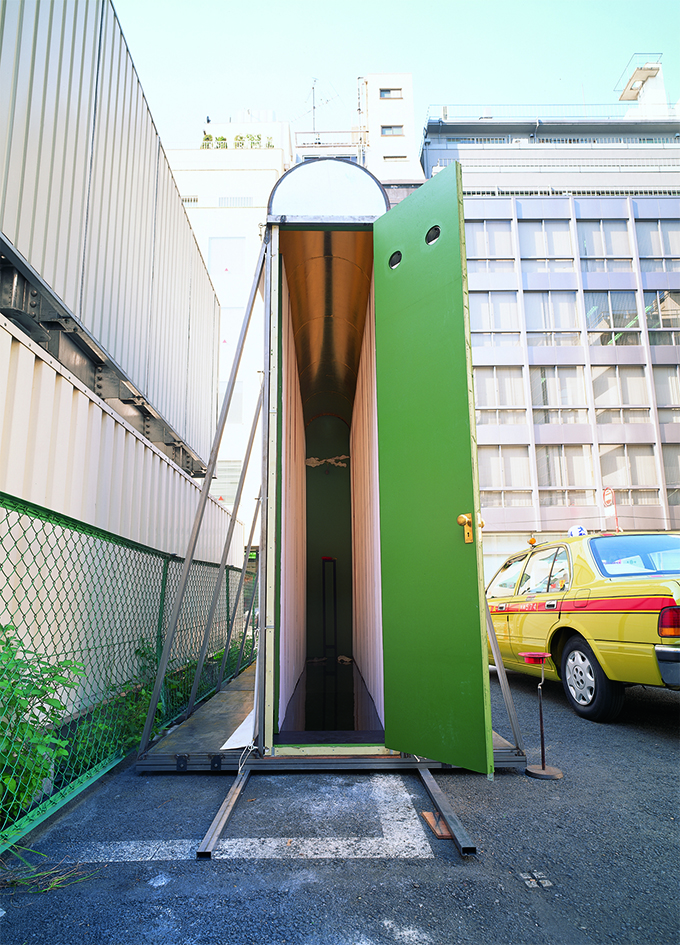
In 1993 Suda created an exhibit titled Ginza Weed Theory, setting a wood-carved weed inside a self-made mobile space lined with gold foil and moving this compact “gallery” around parking spaces in Tokyo’s Ginza district. The combination of happening-style setup and intimate presentation gave the exhibit an eccentric harmony that made it a brilliant debut for the young artist. In Tokyo Installation the following year, Suda then built a space with only enough room for one person to enter at a time, installing a carving of magnolia leaves and fruit at the back. The intensity of this solitary, direct engagement with the work encouraged viewers to ponder the installation more deeply.
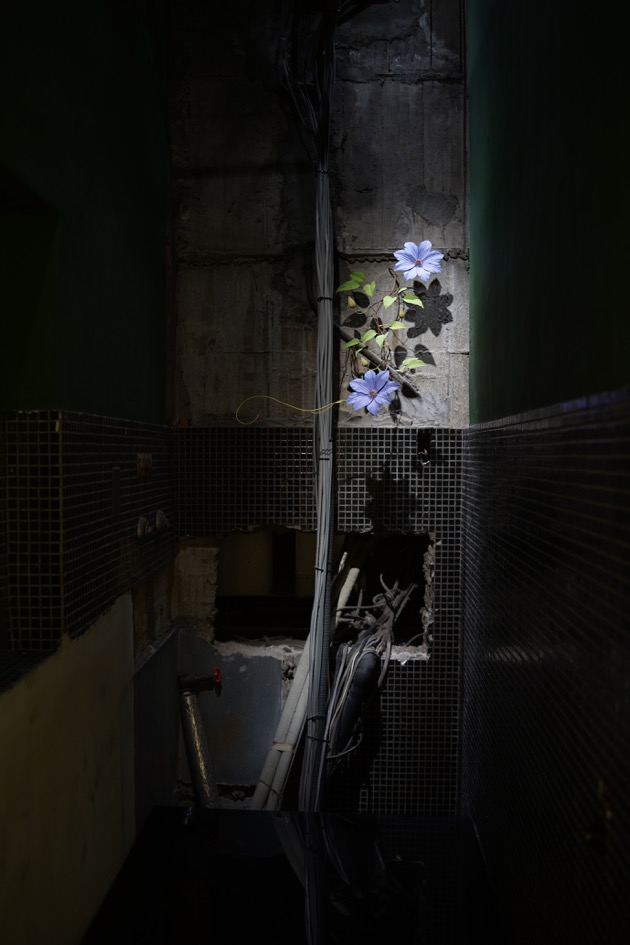
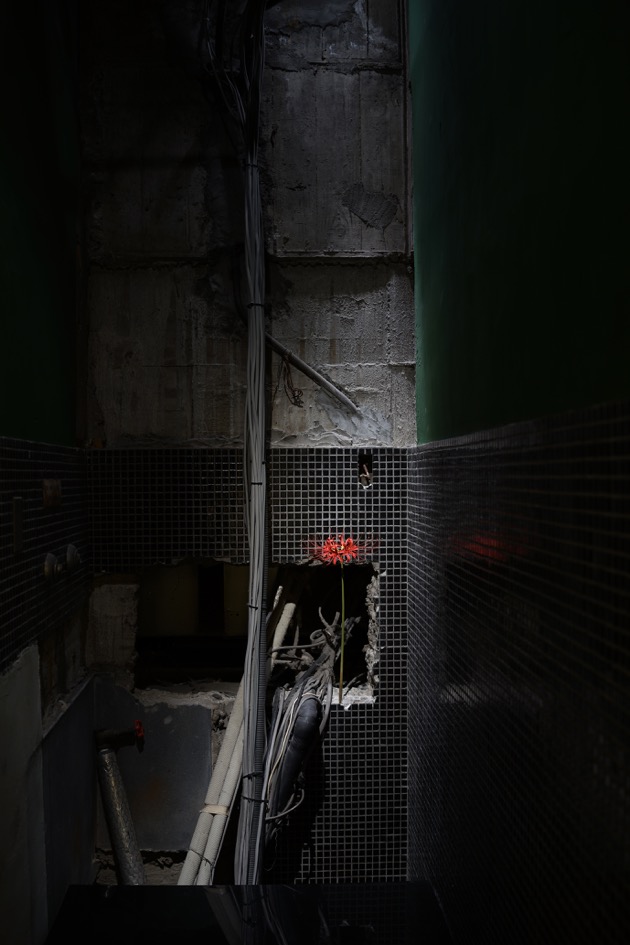
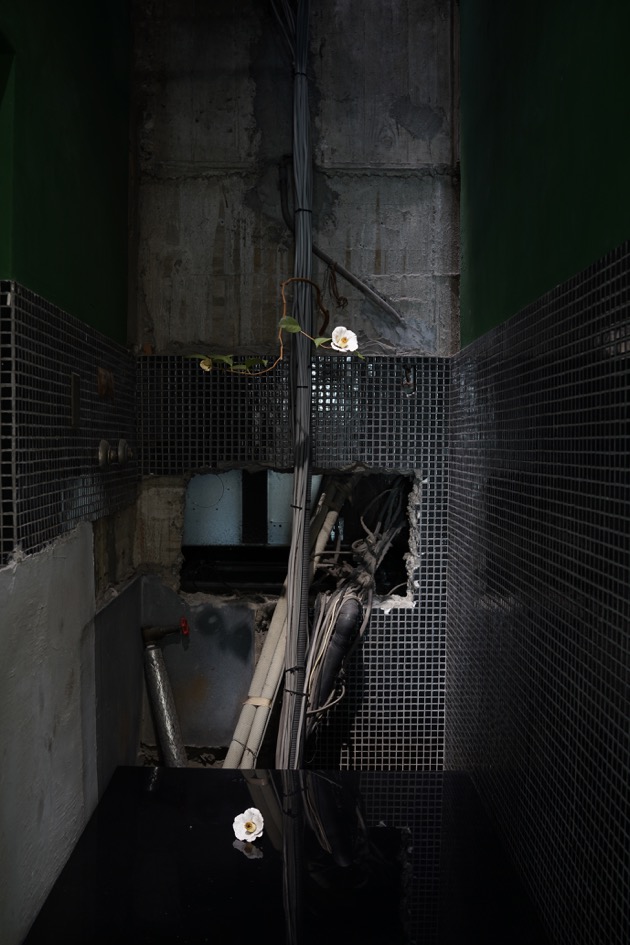
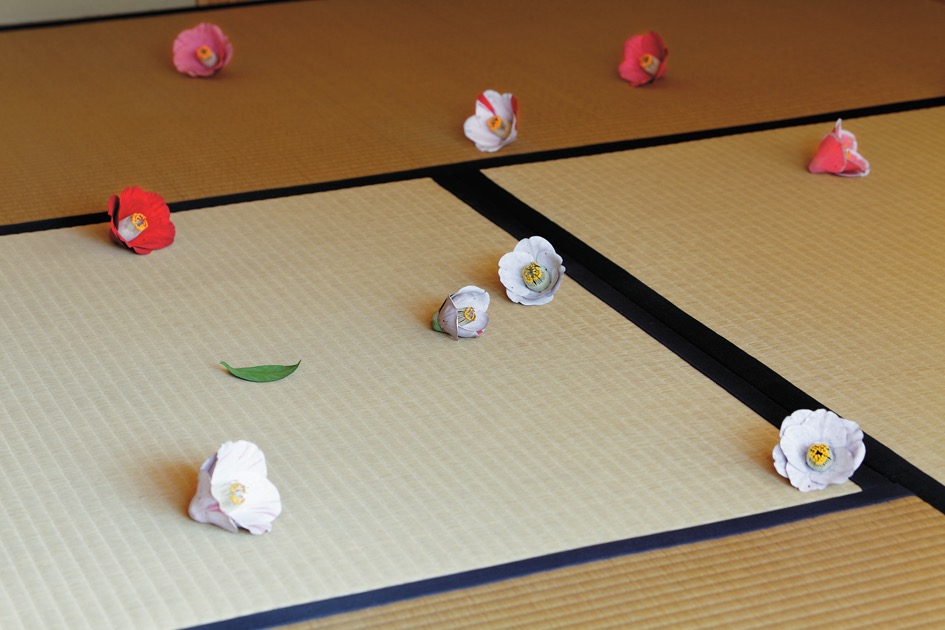
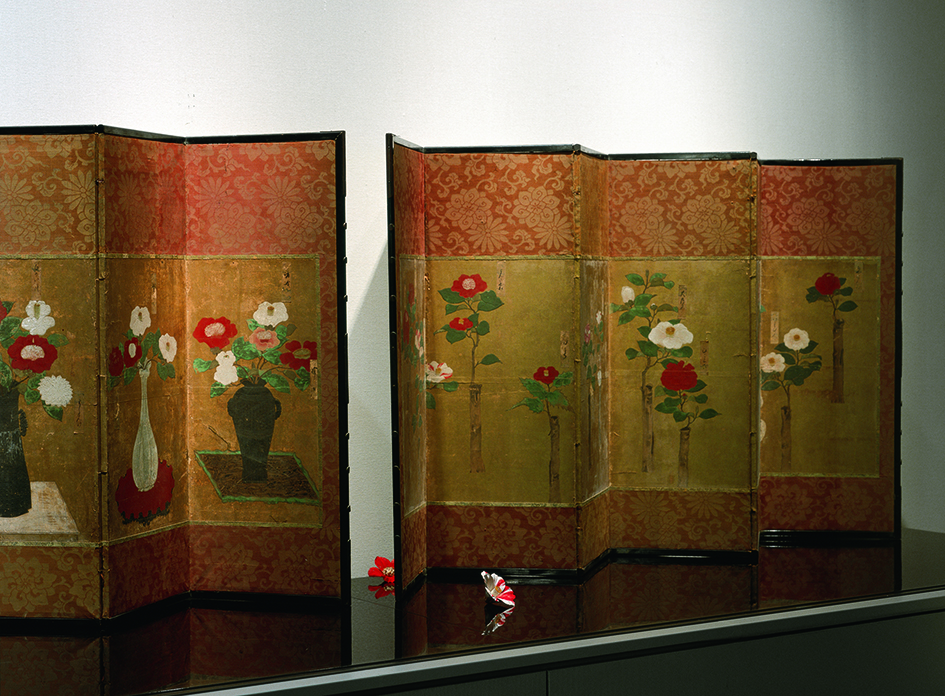
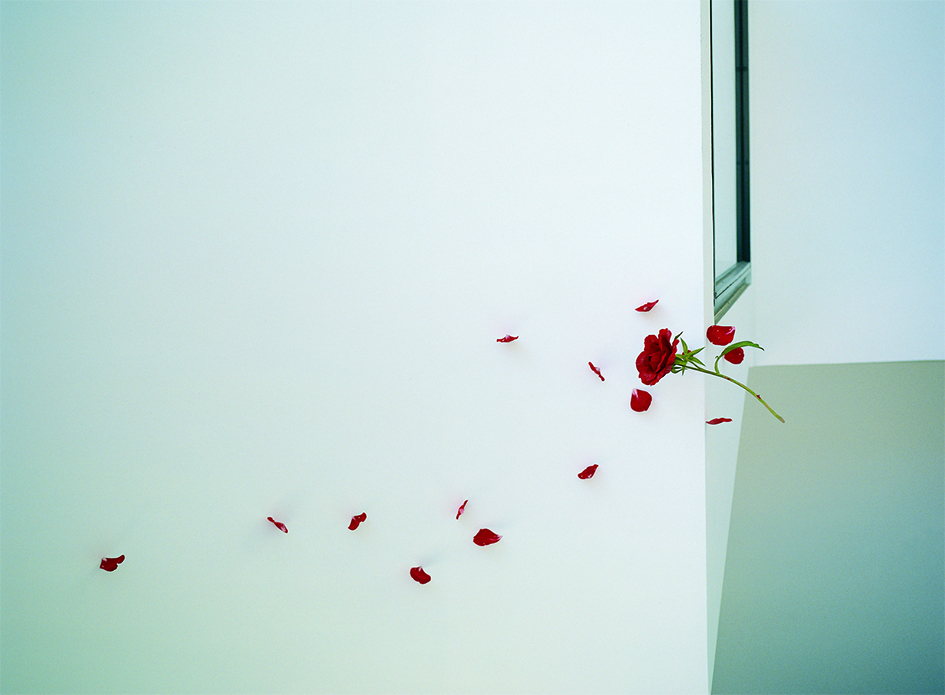
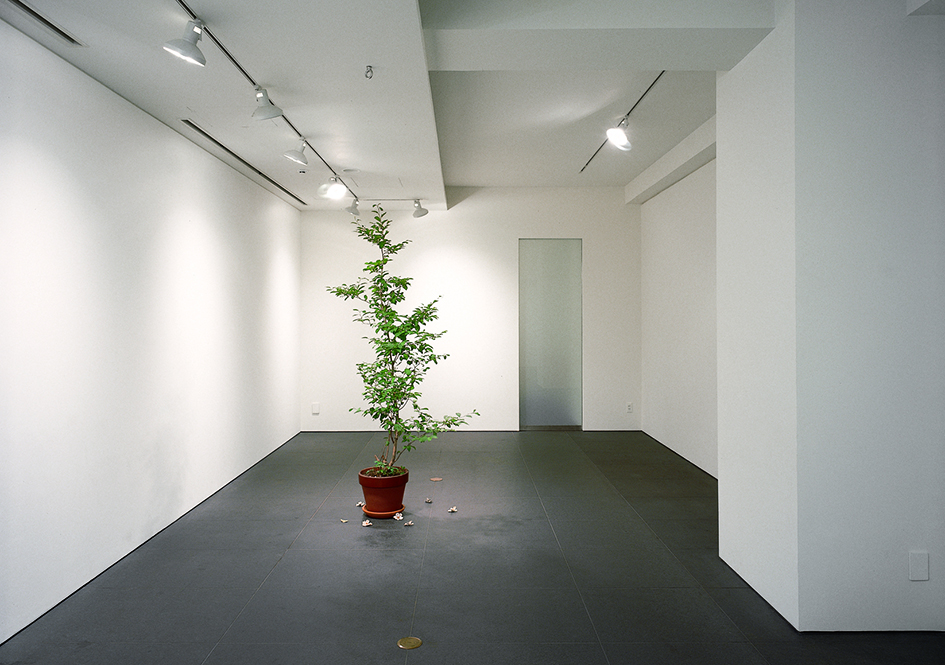
In contrast to such spaces crafted solely by the artist, Ma (1997) at his first solo show at Gallery Koyanagi was a different kind of experiment, in which carved flowers were scattered on the gallery floor near a real potted sal tree as if fallen from it. At the Hara Museum of Contemporary Art meanwhile, clematis and camellia bloomed alternately from exposed piping in a space once used as a darkroom, in the permanent installation This water unfit for Drinking (2001–21, deinstalled); while at the Neues Museum in Nuremberg, the scarlet rose and petals of Lorenz Rose (2001) were installed along the wall of a white spiral staircase. Weeds (2002) and Rose—Former Payphone Site (2006–26) placed in grooves on wall and floor at Benesse Art Site Naoshima invited the gaze to wander pleasantly, quietly stirring the viewer’s consciousness by turning familiar spaces into something of a different nature; and with his scattering of camellias in Gokaisho (2006), one of the Naoshima Art House projects in which houses and other buildings dotted across the island are converted into artworks, the contrast with the real five-colored camellia in the garden conjured up the resonance and confusion of genuine and counterfeit.
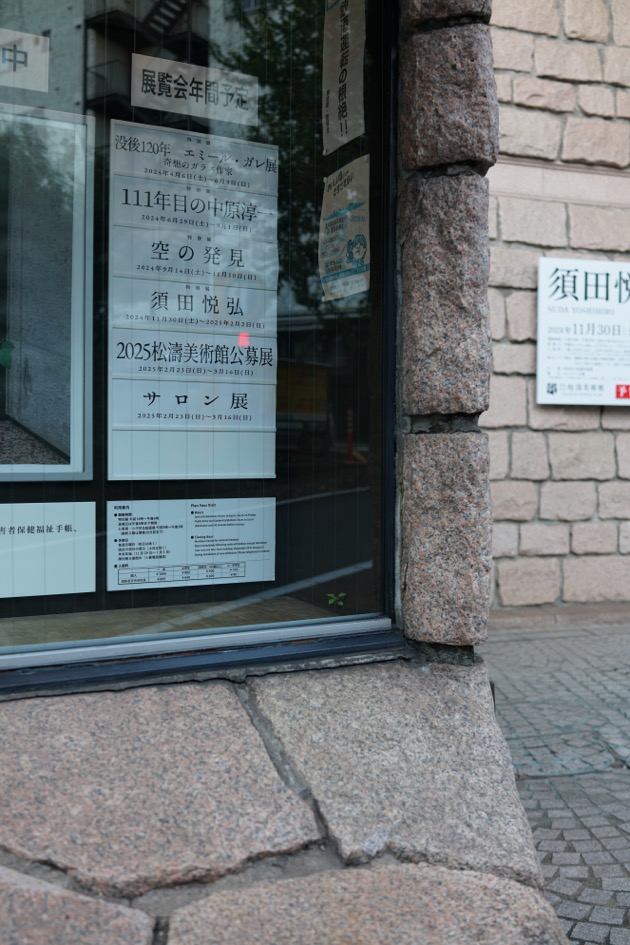
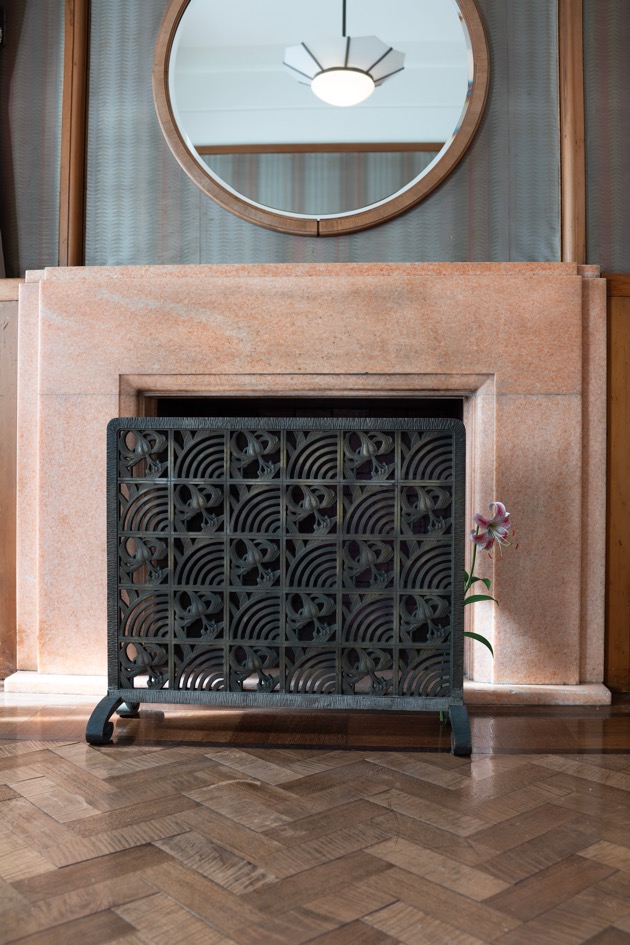
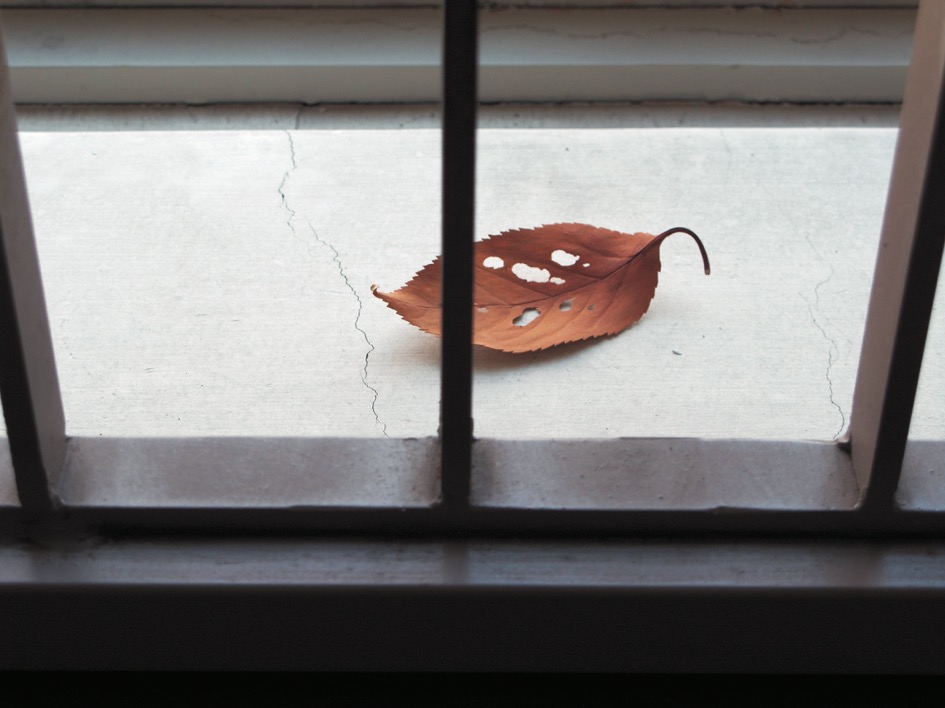
In “The A to Z Guide to the Former Residence of Prince Asaka” exhibition (2024), shedding light on the architecture of the Tokyo Metropolitan Teien Art Museum, the presence of Suda’s fleeting life forms—weeds growing from cracks in tiles, dead leaves gently fallen on floors—encouraged an acute awareness of architectural details often overlooked.
Suda also exhibits his works in the same spaces as antique art, and makes alterations to Buddhist and other sculptures, carving and coloring missing pieces. At 2000’s “Buddha’s Smile (Nenge-misho): Masterpieces of Japanese Buddhist Art” exhibition at the Okura Museum of Art, the artist slipped one of his weeds into the display case housing the Heian-period National Treasure Fugen Bosatsu (Samantabhadra) on an Elephant, while his first such “supplementary” work, Kasuga Sacred Deer (Kamakura period, Odawara Art Foundation collection), produced at the request of Hiroshi Sugimoto, was also exhibited at “Alteration and Adaptation: An investigation” at Gallery Koyanagi (2023). Such chance encounters with antique art, literally making connections across time and space, continue to add depth and richness to a creative practice combining classical techniques with contemporary perspectives.
READ MORE READ LESS
Major solo exhibitions have since followed, including at Hara Museum of Contemporary Art, Tokyo (1999); Art Institute of Chicago (2003); Palais de Tokyo, Paris (2004); Marugame Genichiro-Inokuma Museum of Contemporary Art, Kagawa (2006); The National Museum of Art, Osaka (2006); Honolulu Museum of Art (2009); Chiba City Museum of Art (2012); Shoto Museum of Art, Tokyo (2024); Staatliche Graphische Sammlung München (2025) and The Museum of Modern Art, Hayama (2027). His works are held in the collections of leading museums in Japan and abroad.
BIOGRAPHY
1969Born in Yamanashi, Japan
1992B.A. Tama Art University, Tokyo
1994-2000Studio Shokudo
Lives and works in Tokyo
Selected Solo Exhibitions
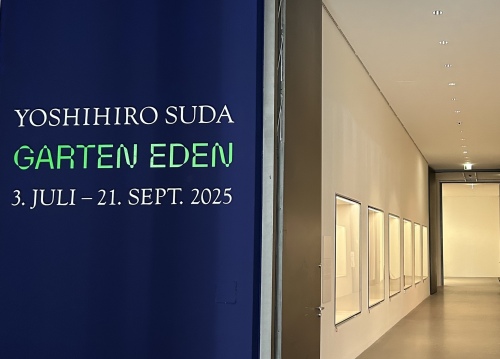
2025Garten Eden, Staatliche Graphische Sammlung München, Germany
Sadie Coles HQ, London
2024The Shoto Museum of Art, Tokyo
2023Alteration and Adaptation: An investigation, Gallery Koyanagi, London Gallery Shirokane, Tokyo
2018Mite Clematis, Vangi Sculpture Garden Museum, Shizuoka, Japan
2017Galería Elvira González, Madrid
Flower | Non-flower, Yu-Hsiu Museum of Art, Nantou, Taiwan
2016107 S-chanf, Switzerland
Galerie René Blouin, Montreal, Canada
2015Loock Galerie, Berlin
2014Galería Elvira González, Madrid, Spain
2013Faggionato Fine Arts, London
2012Chiba City Museum of Art, Japan
2011The Manggha Centre of Japanese Art and Technology, Krakow, Poland
2010Gallery Koyanagi, Tokyo
2009D’Amelio Terras, New York
Asia Society Museum, New York
Galerie René Blouin, Montreal, Canada
The Contemporary Museum, Honolulu
Camelia, Loock Galerie, Berlin
2008Galeria Fortes Vilaça and Galeria Leme, São Paulo, Brazil
PKM Gallery, Seoul
2007Gallery Koyanagi, Tokyo
2006Marugame Genichiro-Inokuma Museum of Contemporary Art, Kagawa, Japan
Three Individuals: Zon Ito, Hajime Imamura, Yoshihiro Suda, The National Museum of Art, Osaka
Lotus of Wood, Chung King Project, California
2004Palais de Tokyo, Paris
D’Amelio Terras, New York
2003Galerie Wohnmaschine, Berlin
The Art Institute of Chicago
2002Settled Waters, Asahi Beer Oyamazaki Villa Museum, Kyoto
The Museum of Modern Art, Gunma, Japan
Studio Guenzani, Milan
2001Entwistle Gallery, London
2000ON Gallery, Osaka
D’Amelio Terras, New York
Galerie René Blouin, Montréal, Canada
1999Hara Documents 6, Hara Museum of Contemporary Art, Tokyo
One Hundred Encounters, Galerie Wohnmaschine, Berlin
Ma., Gallery Koyanagi, Tokyo
1998Tulip, Caisse des Depôts et Consignations, Paris
1997Ma., Gallery Koyanagi, Tokyo
Ma and Rose, Galerie Wohnmaschine, Berlin
1996Tokyo Installation 3, Gallery K, Tokyo
Tokyo Installation 2 2/3, Gallery 360˚, Tokyo
1995Tokyo Installation 2, Gallery K, Tokyo
1994Tokyo Installation, Daiwa Parking Area, Tokyo
1993Ginza Weed Theory, Ginza 1st to 4th blocks Parking Lot, Tokyo
GALLERY EXHIBITIONS

EXHIBITIONS
WORKS
-
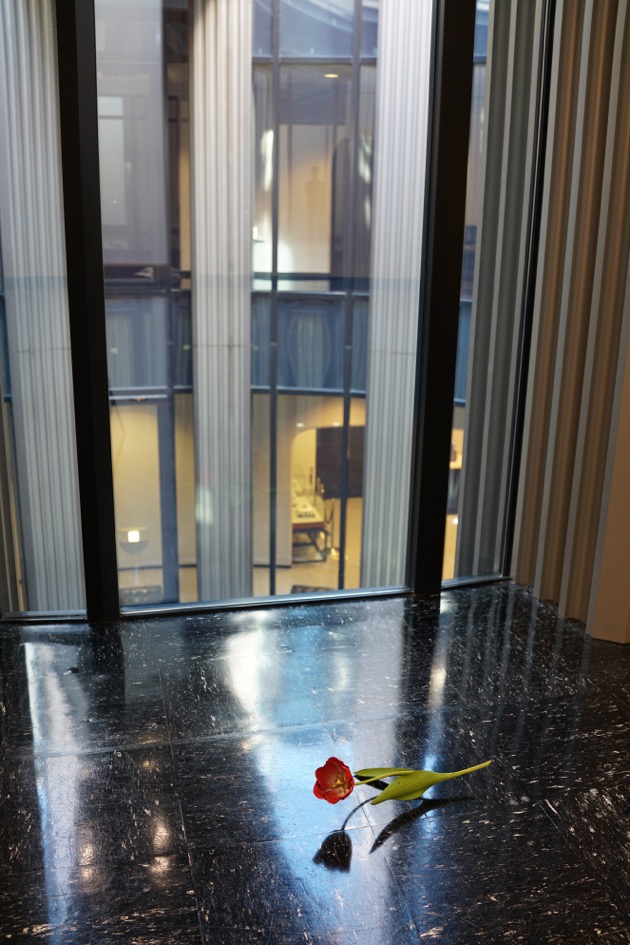
Tulip
-
Weed
-
Lily
-
Wild Chrysanthemum
-
Tulip
-
Morning Glory
-
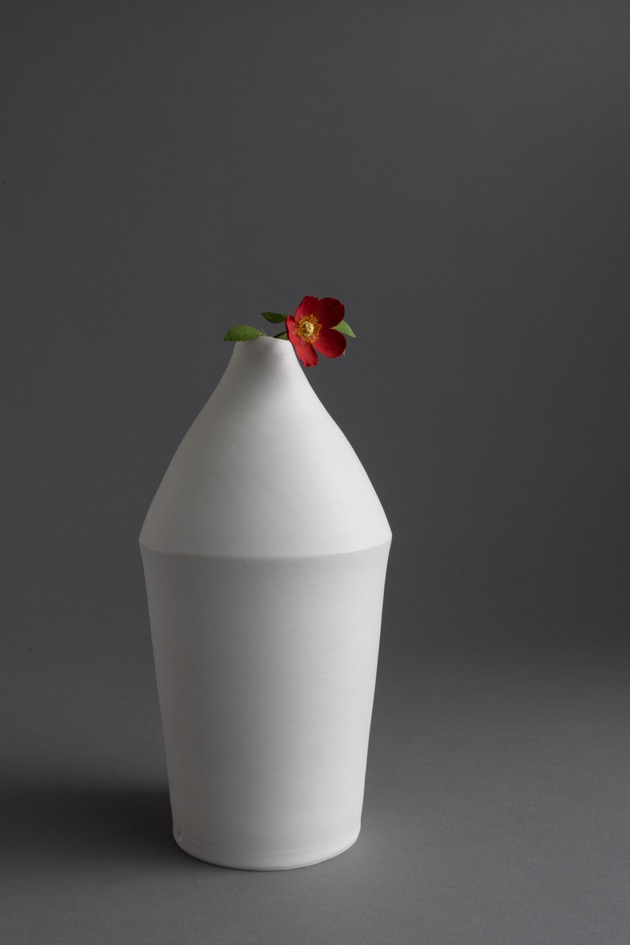
Rose
-
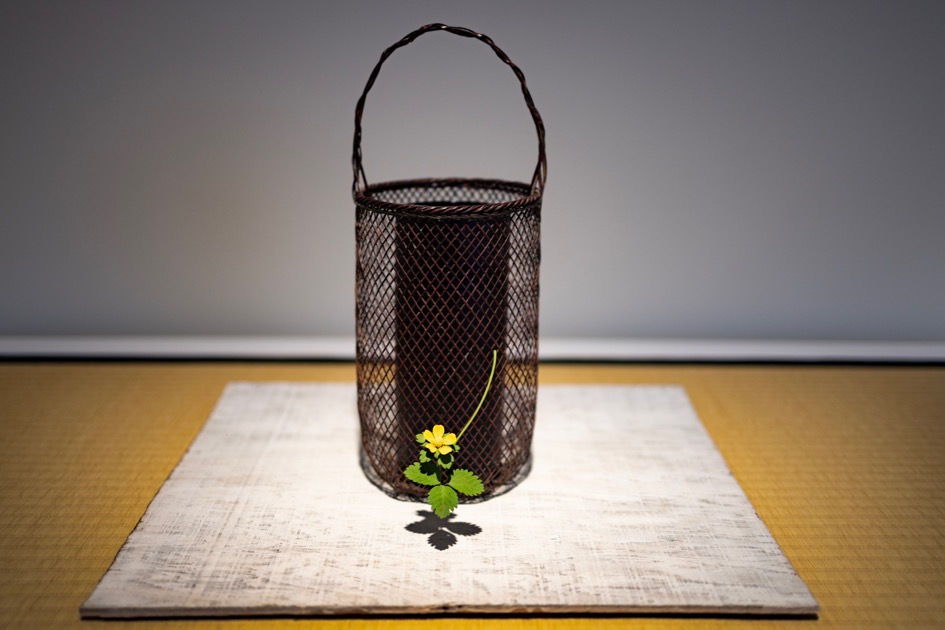
Indian strawberry
-
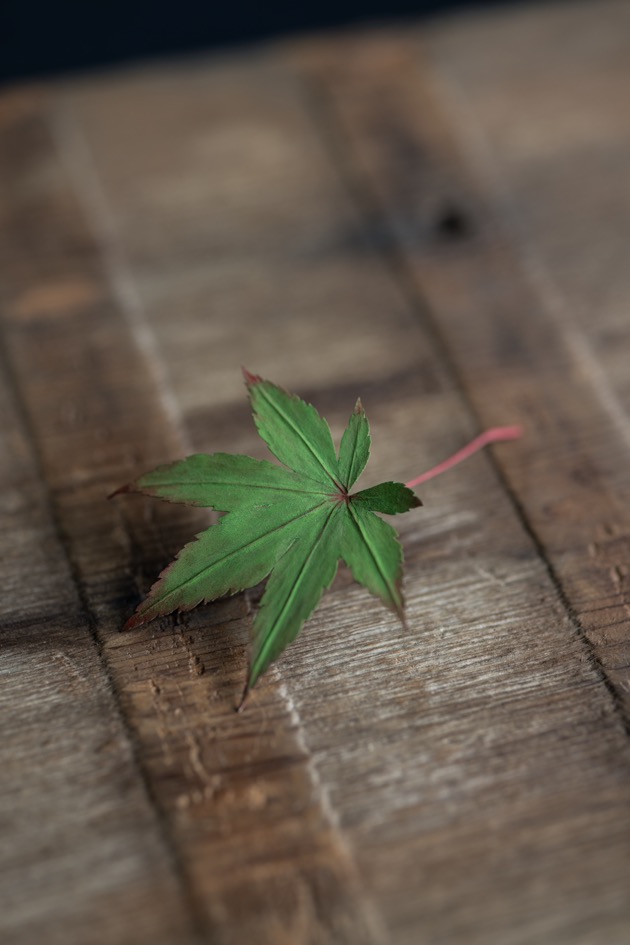
Japanese maple
-
This water unfit for Drinking
-
This water unfit for Drinking
-
This water unfit for Drinking
-
Weed
-
Bindweed
-
Rose
-
Fuyoh
-
Weeds
-
Peony
-
Morning Glory
-
Morning Glory
-
Hagi
-
Tulip
-
Dokudami
-
Tulip
-
Azalea
-
Leaf
-
Magnolia
-
Gokaisho
-
Refrain Pain
-
Sleeping Lotus
-
Spring of Wood
-
Lorenz Rose
-
Tree of Calm Mountain: Root
-
Tree of Calm Mountain: Flower
-
Ma
-
Tokyo Installation
-
Ginza Weed Theory