Hiroshi
Sugimoto

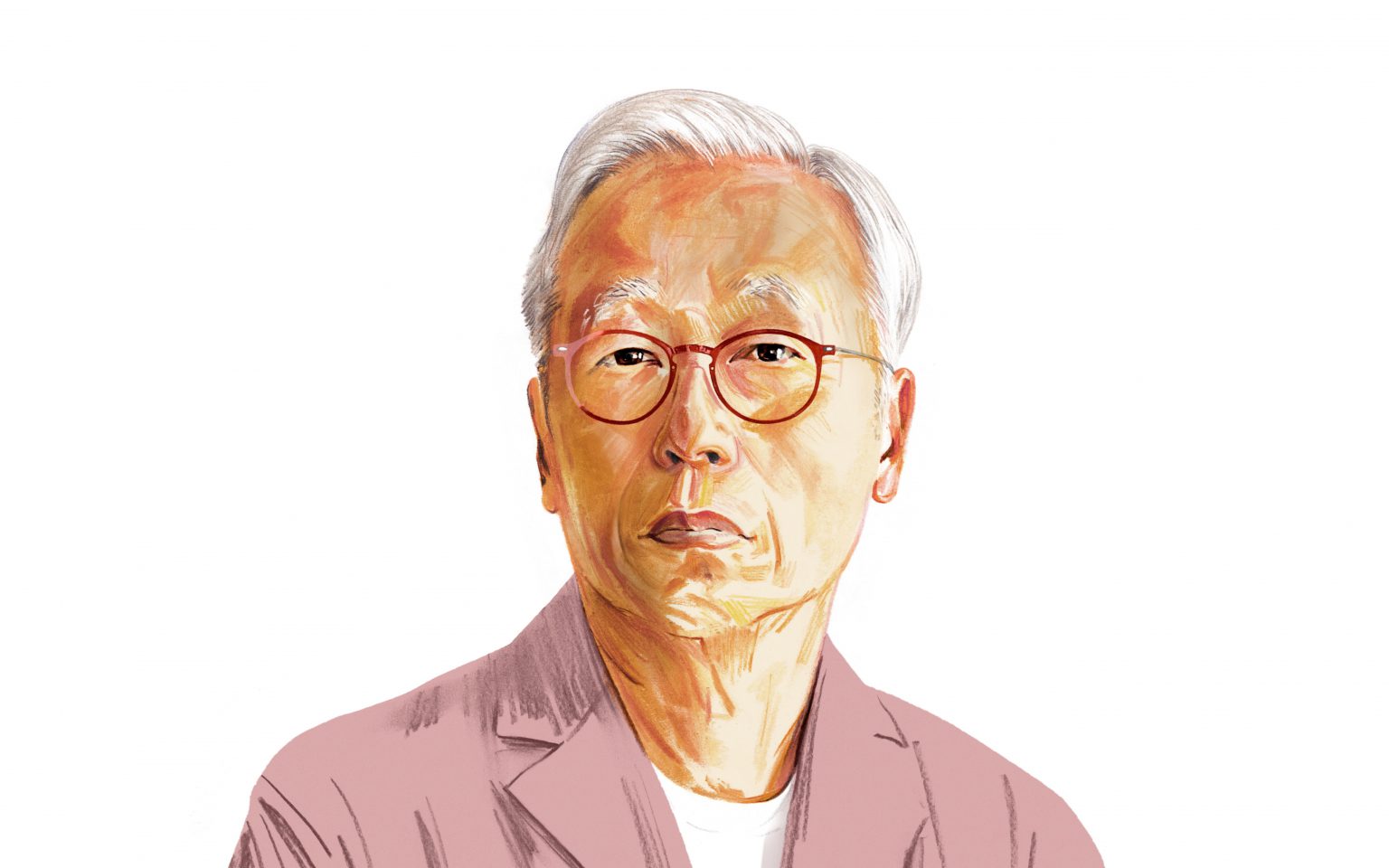
In the course of an epic cross-genre journey of creative production and philosophical contemplation spanning photography, architecture, landscaping, sculpture and writing, to antique art collection, stage design, calligraphy, pottery and cooking, Hiroshi Sugimoto has carved out a solid niche on both the Japanese and wider international art scenes. Running through his diverse practice are a plethora of fundamental inquiries into the nature of time, the transience of history and existence, human perception, the memories of mankind, and the development of consciousness.
Since owning an antique art business in New York starting in 1979, Sugimoto has continued to collect antique art, primarily from Japan. Employing items from his collection to gauge whether his own works bear comparison with those that have retained their beauty across the centuries, Sugimoto also finds them a source a profound spirituality and intuition. In 2009 he established the Odawara Art Foundation, and in 2017, opened the Enoura Observatory. There Sugimoto has built a 100-meter gallery and tunnel for worshipping the rising sun on the summer and winter solstices respectively, a stone stage and a tea house aligned with the axis of the sun as it rises on spring and autumn equinoxes, as well as a stage made from optical glass and gardens, designing a setting in which to observe time and nature through the prism of human perception. A place that could be called a “future relic,” built with 5000 years hence in mind, the Enoura Observatory also serves as a place to experience vicariously the psyche of our distant ancestors, with its focus on nature and the seasons.
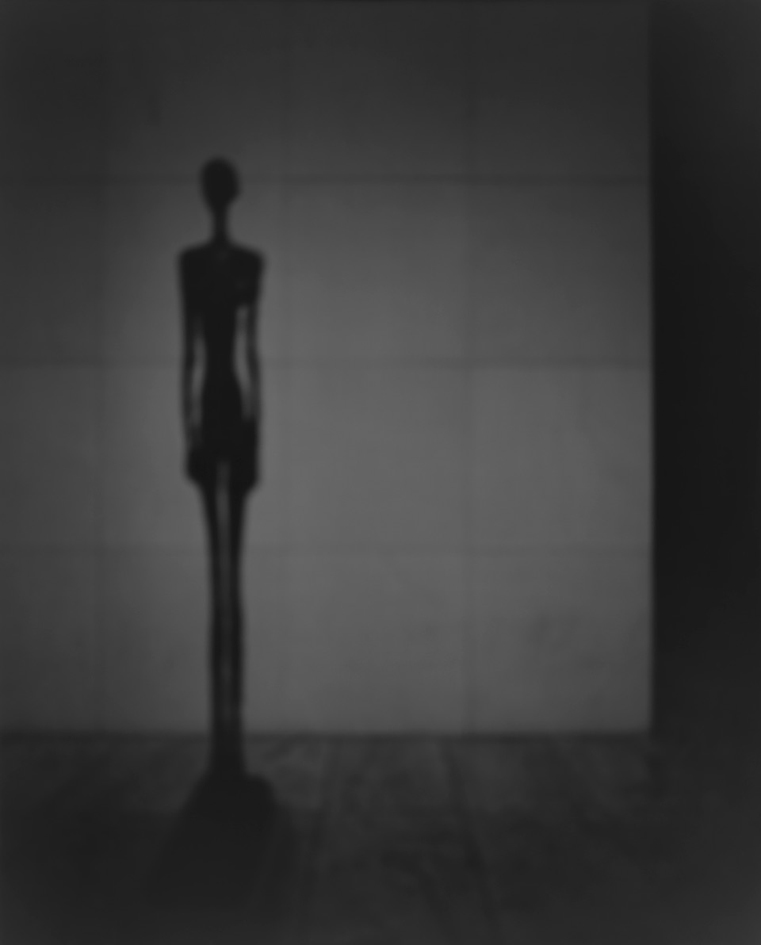
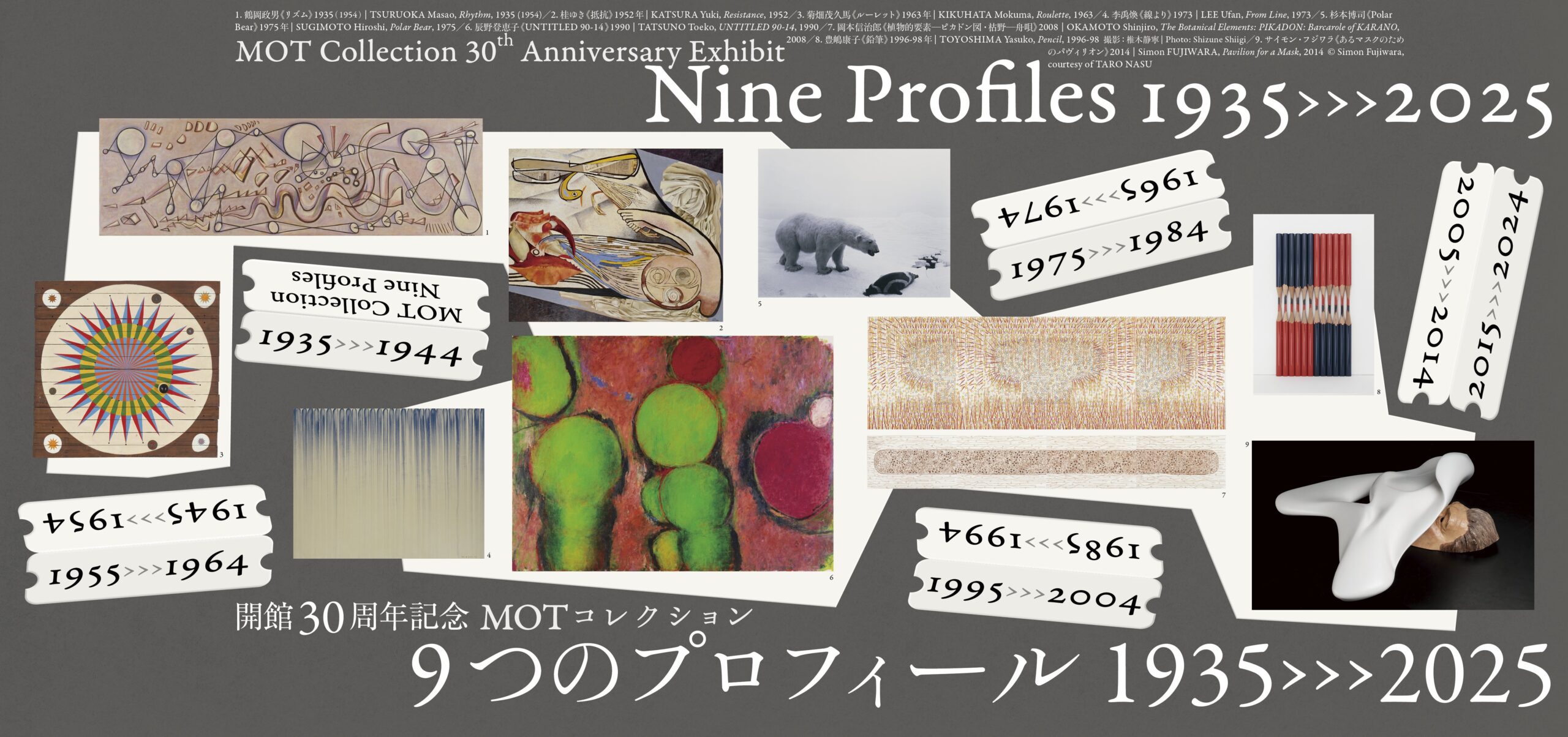
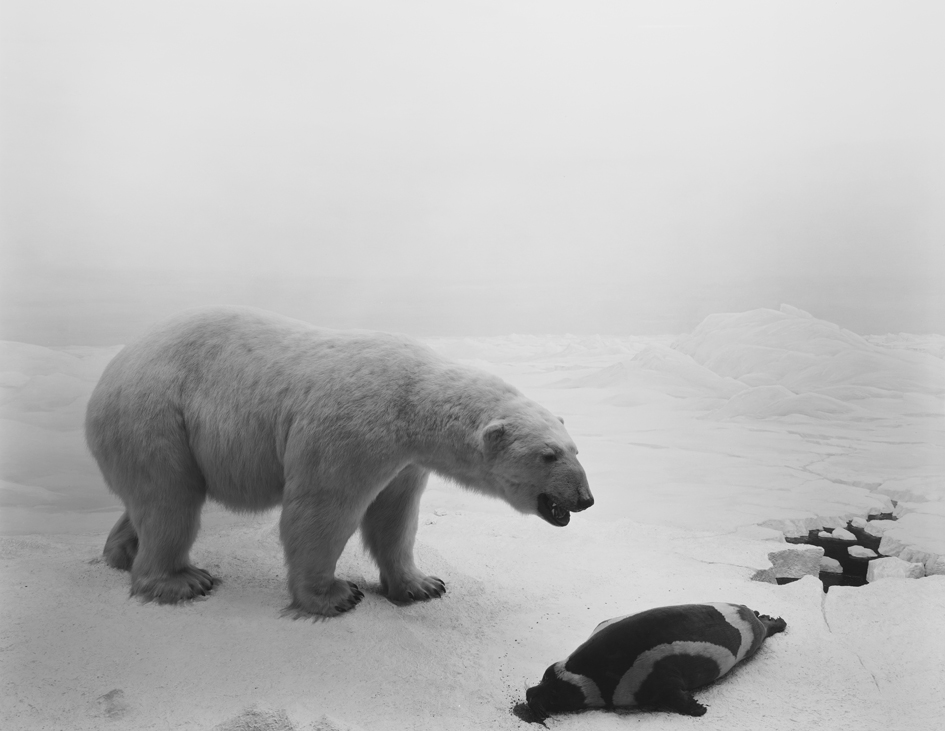
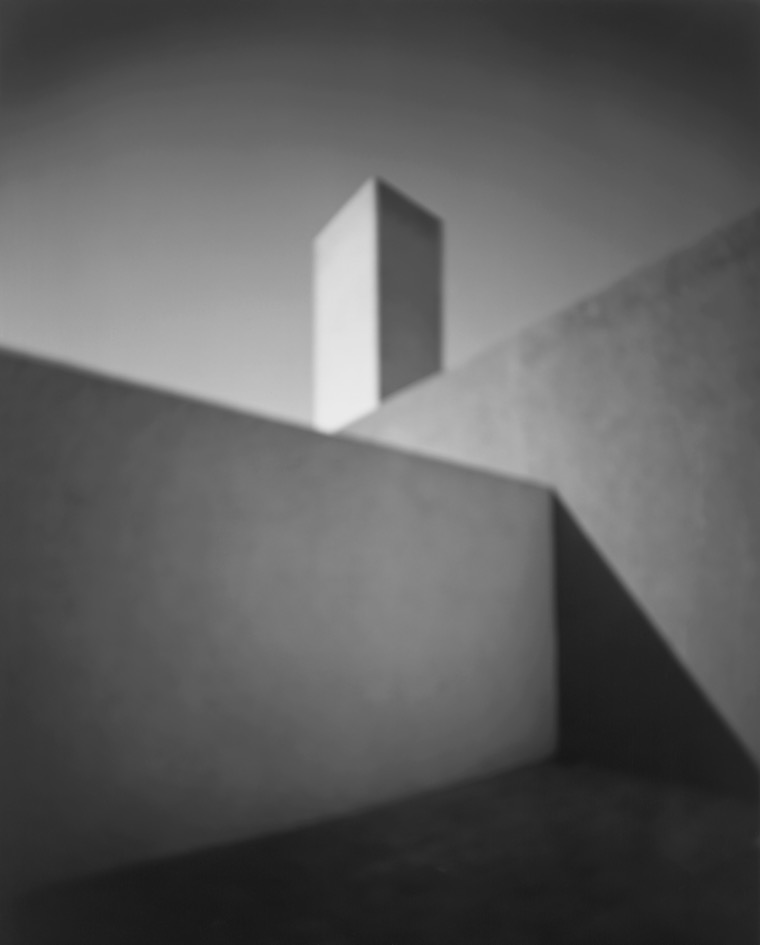
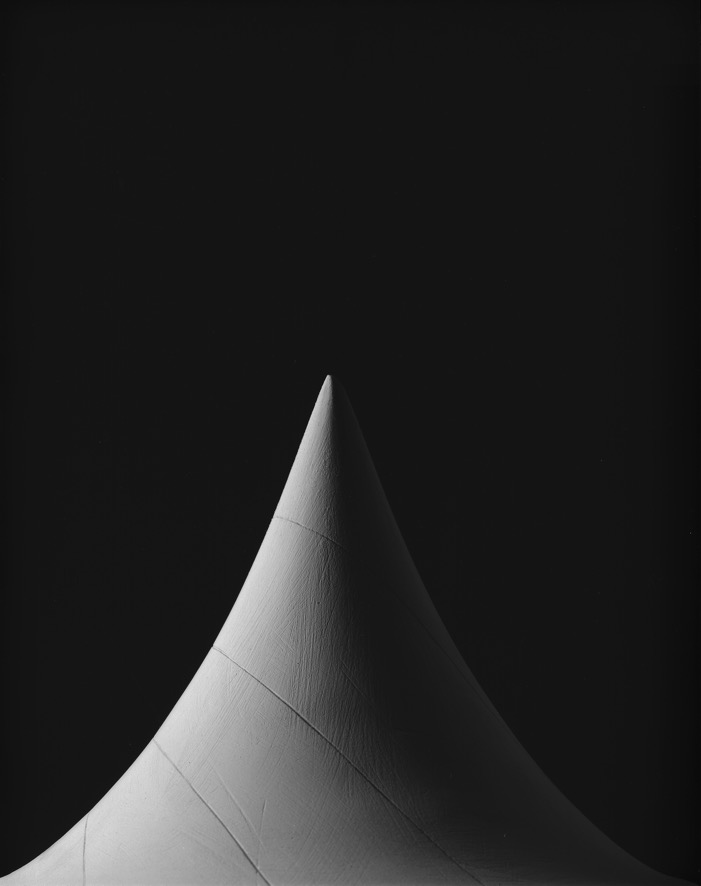
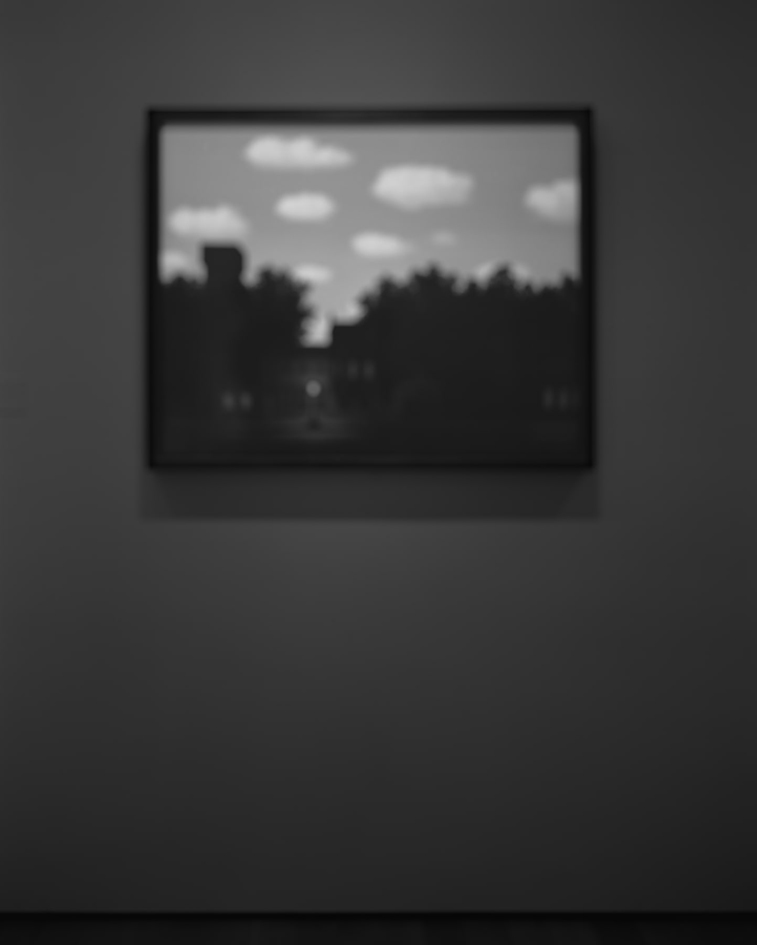
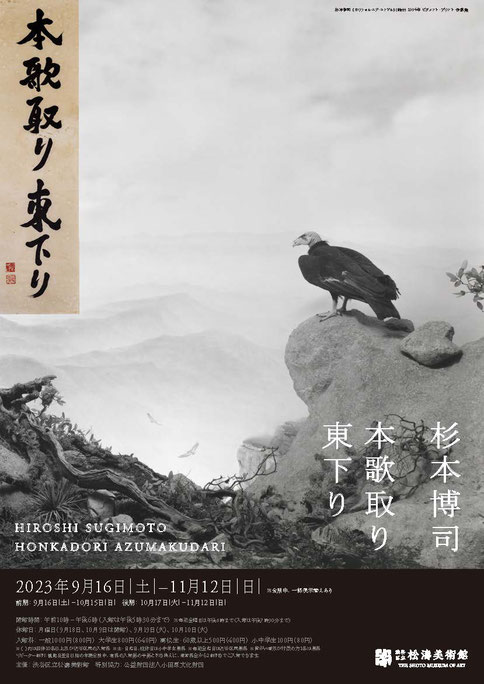
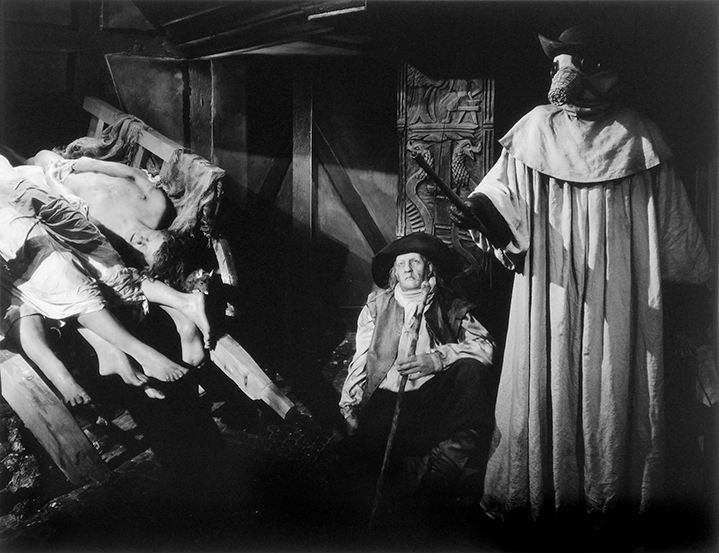
The photographic works that could also be described as the nascence of Sugimoto’s creative practice trace back to his landmark “Diorama” series launched in 1975. Noticing that when you close one eye to study the dioramas at natural history museums, perspective is lost, and the taxidermied animals and artificial backdrops suddenly start to look real and alive, Sugimoto presented the fictitious scenes before him through the camera as “real-life images.” In the later “Architecture” series (1997–) modernist buildings are shot using a focal point set at twice infinity, resulting in fuzzy images shorn of detail to leave only the most iconic form from the depths of the architect’s memory. For “Conceptual Forms” (2004–) meanwhile, Sugimoto photographs mathematical models that visually express the curves drawn in differential geometry, capturing artistic forms that arise unintentionally in the scientific domain. All these series are exercises making the structure of human perception visible through the medium of photography.
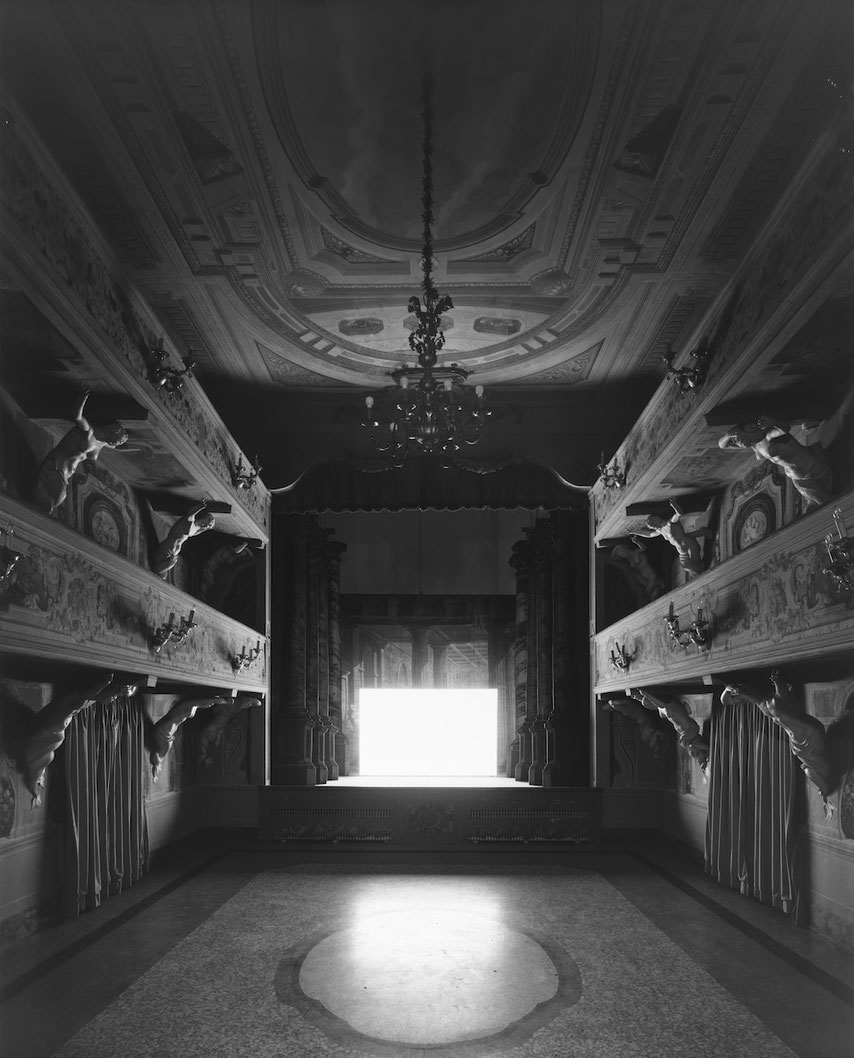
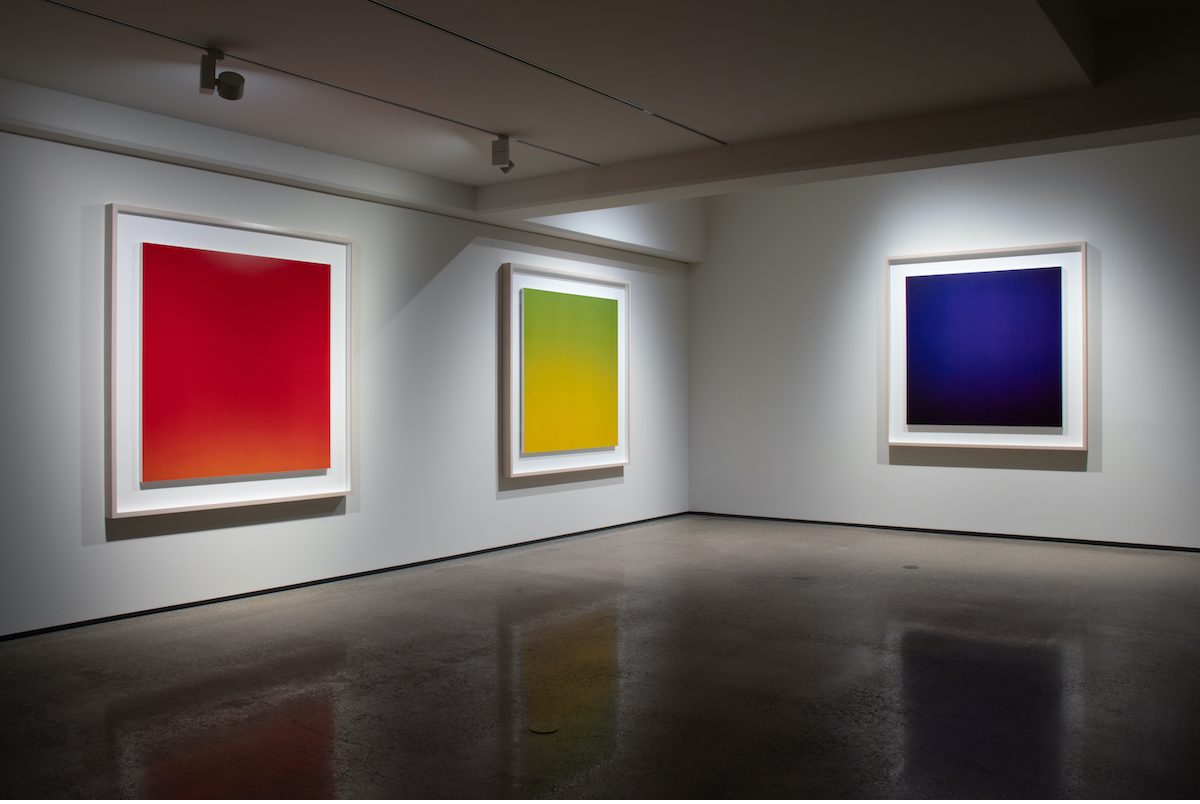
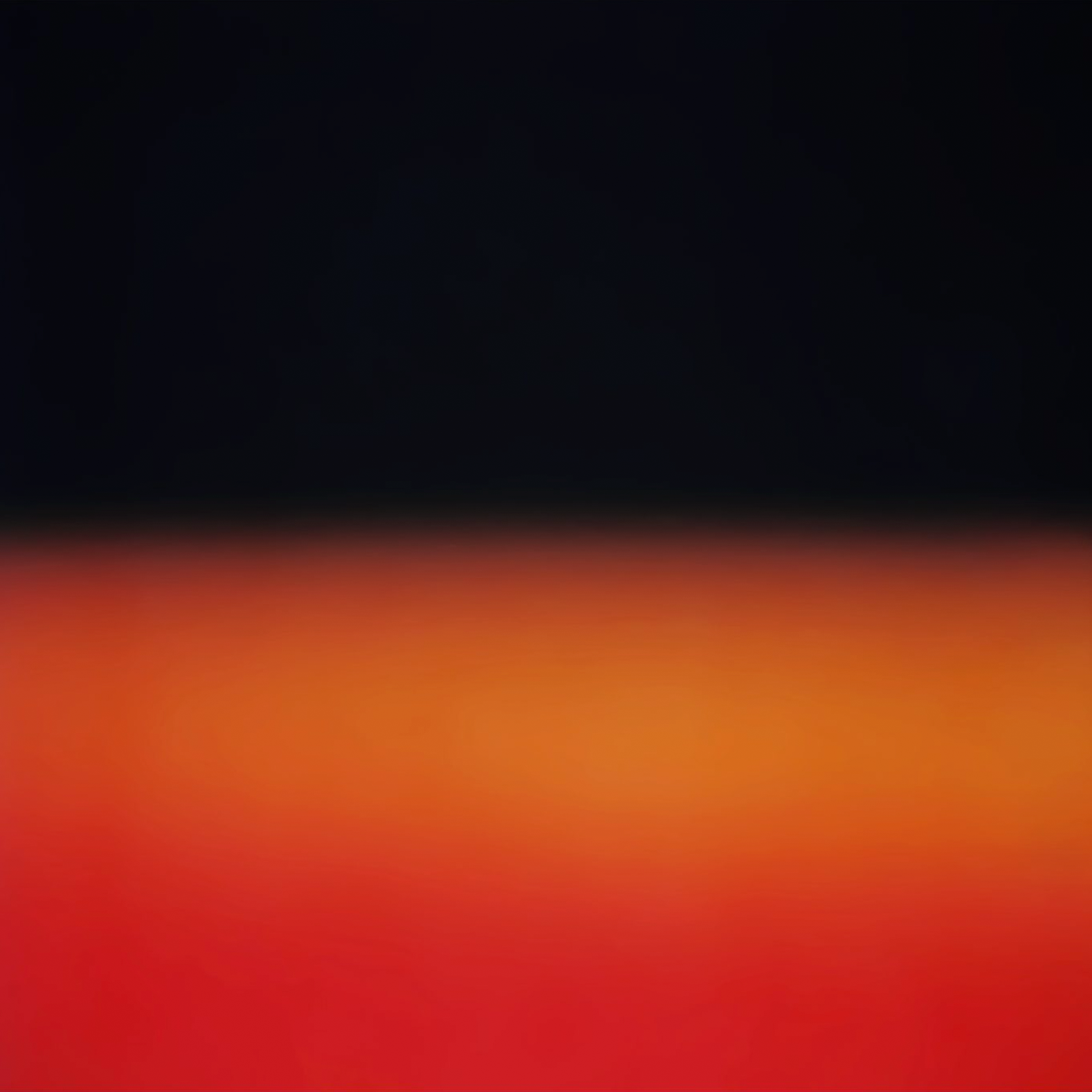
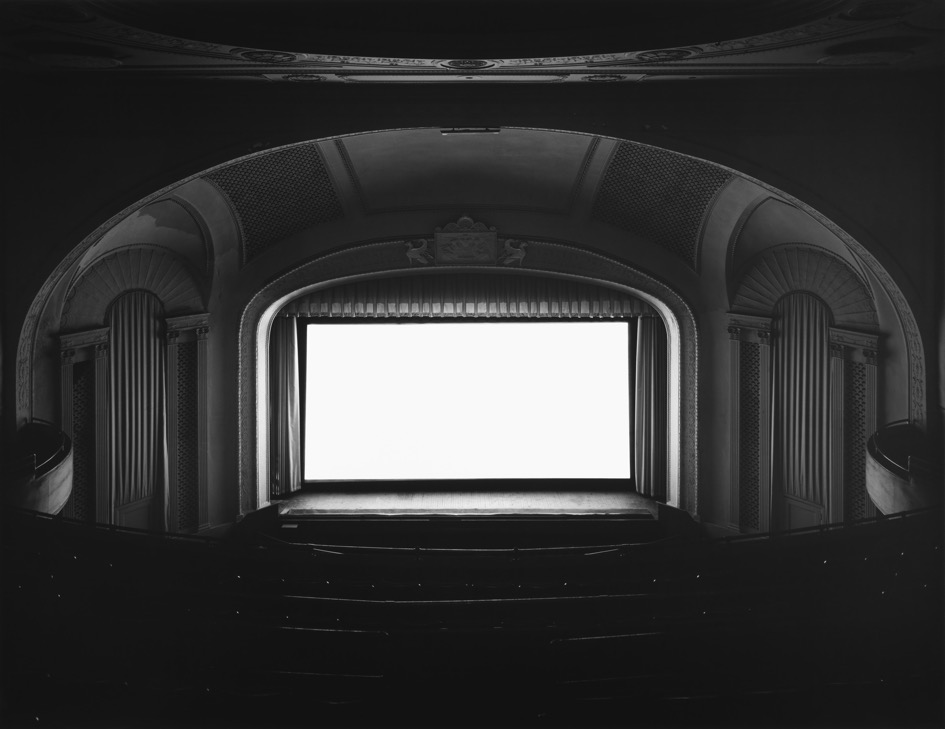
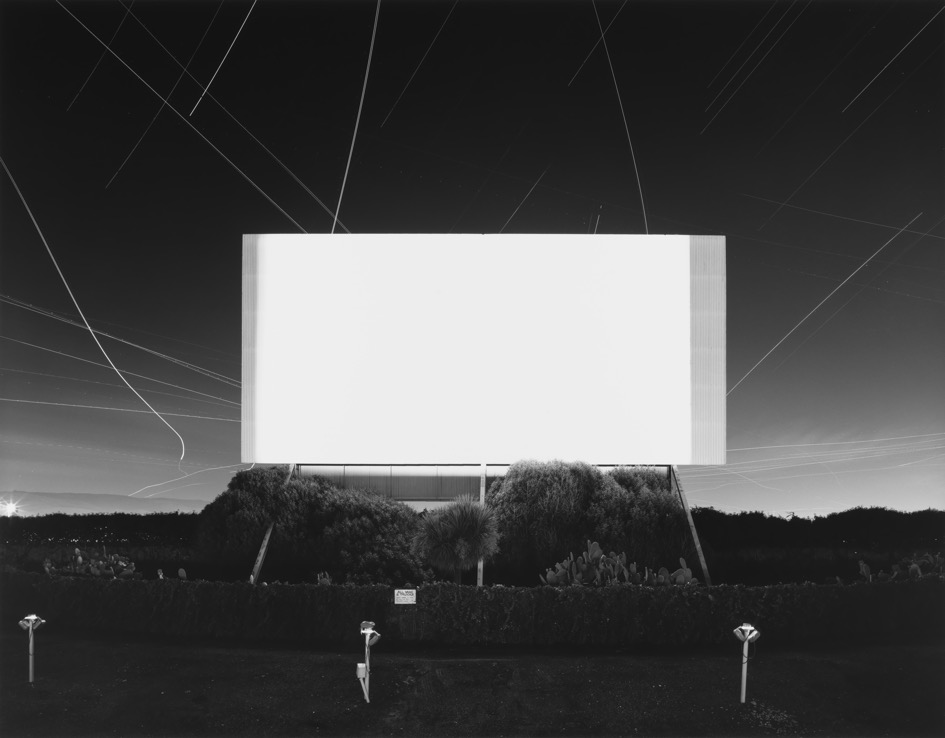
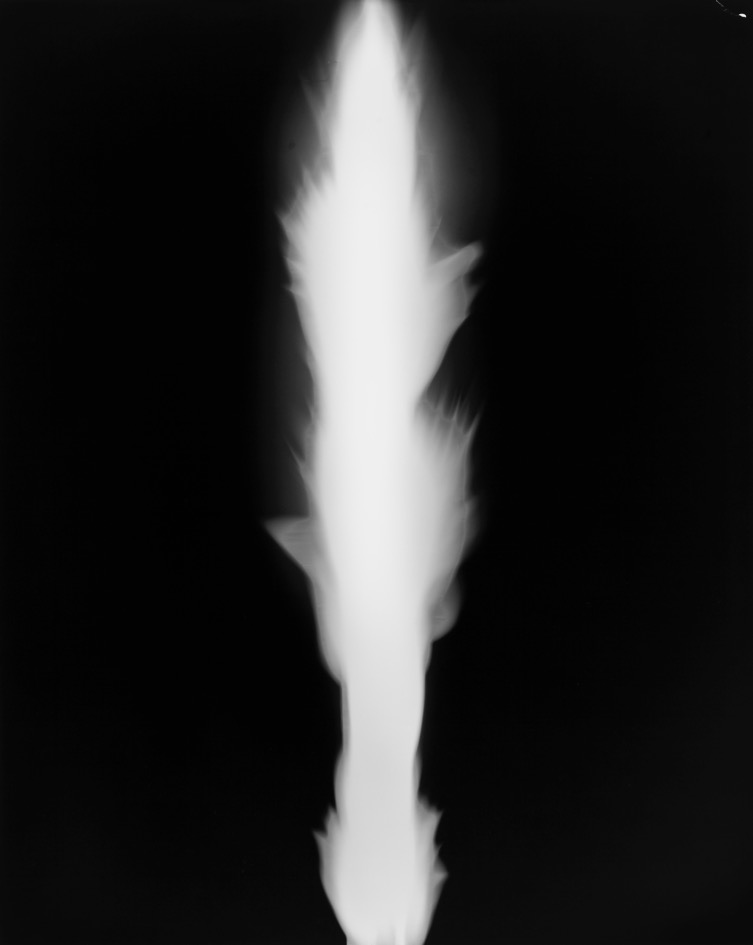
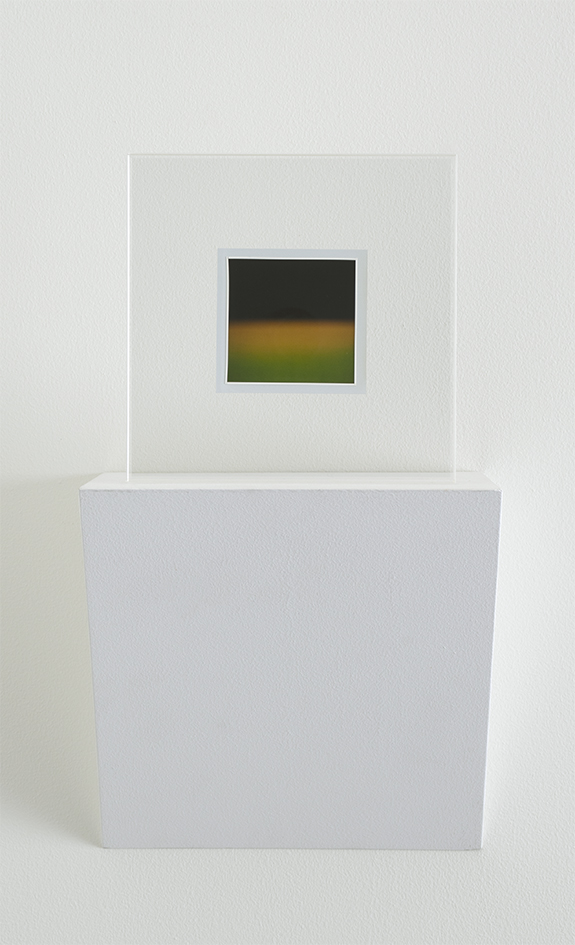
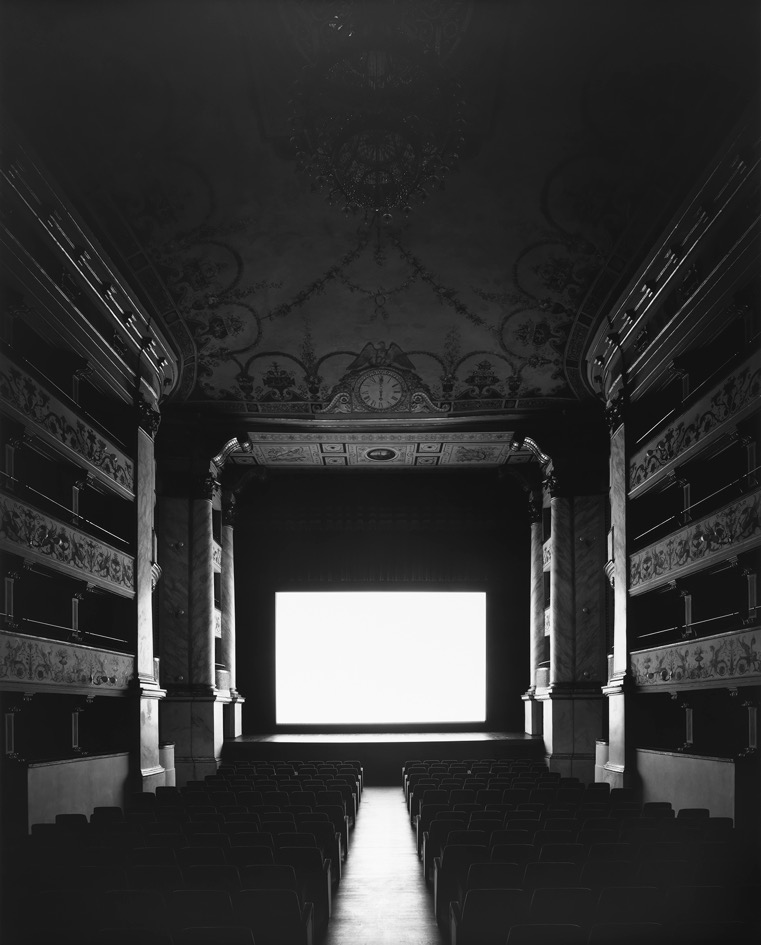
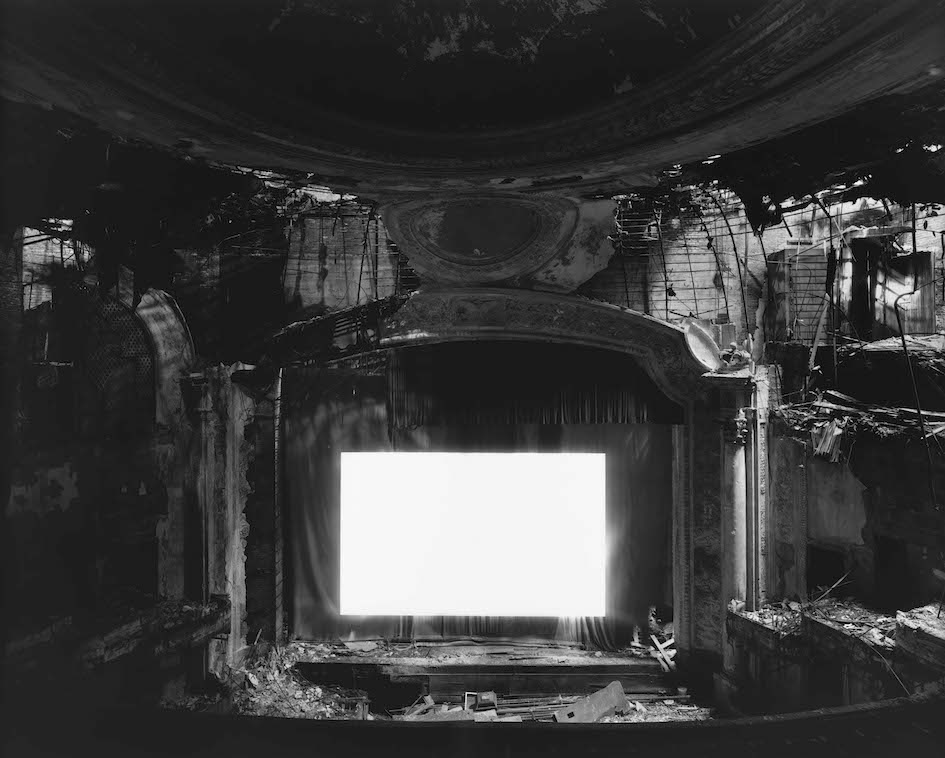
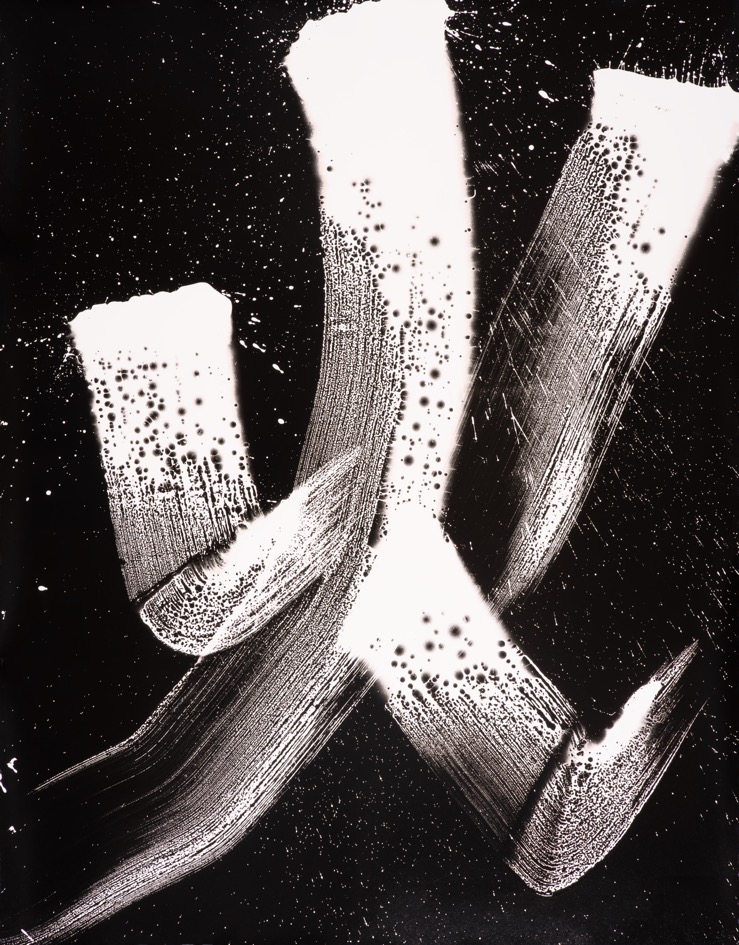
Sugimoto’s second well-known series “Theaters” (1976–) consists of the interiors of old American movie palaces shot with an exposure the length of the film. By taking the screen that by rights ought to show a profusion of imagery, and reducing it to a gleaming, colorless rectangle, he captures time and light themselves on a single picture plane. This recording of time and light is also attempted in other series. “Colors of Shadow” (2004) turns its gaze to shadows appearing surreally at different angles, while in “Polarized Color” (2009–10) and “Opticks” (2018–) the colors of light split through a prism are documented on the near-extinct medium of Polaroid film. These works that elevate the scientific nature and phenomenon of light into sublime color fields could be seen as paintings of a sort, wielding light as pigment.
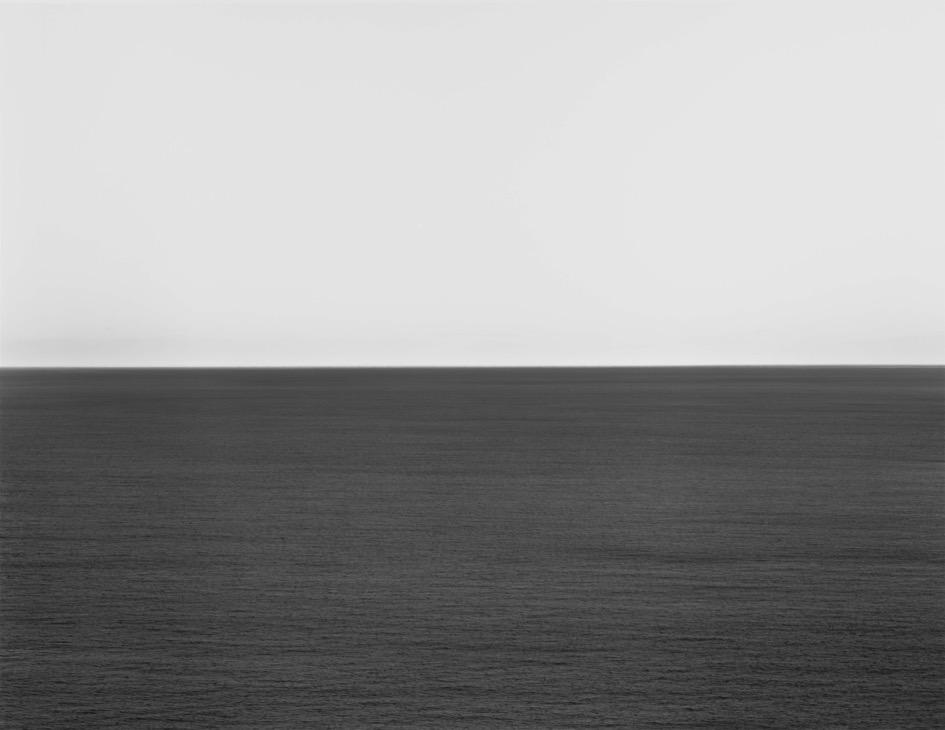
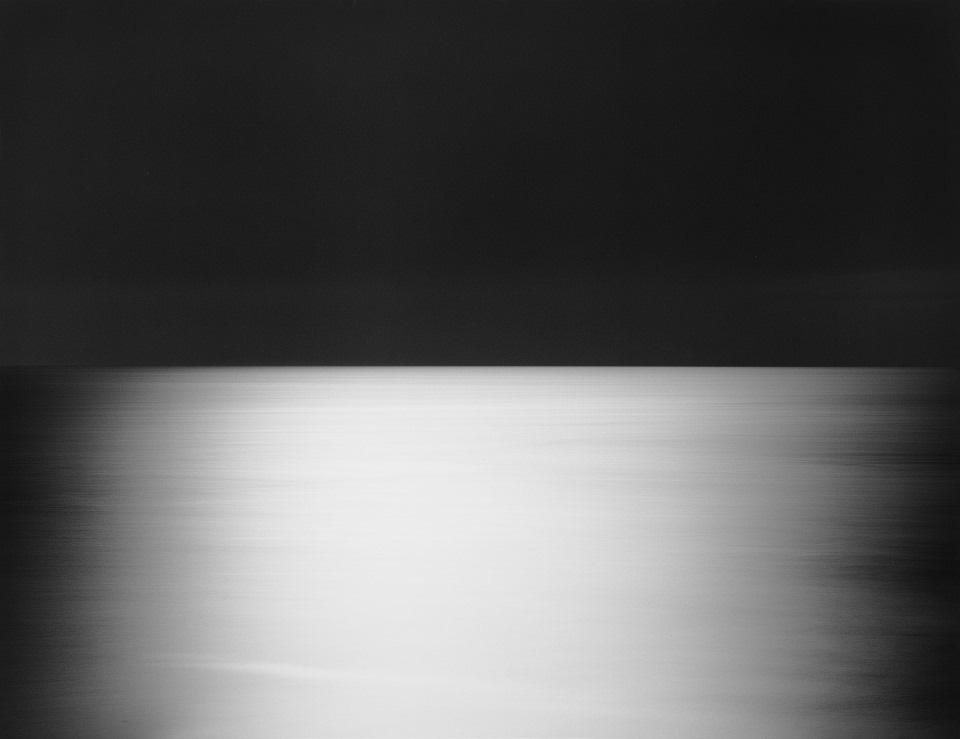
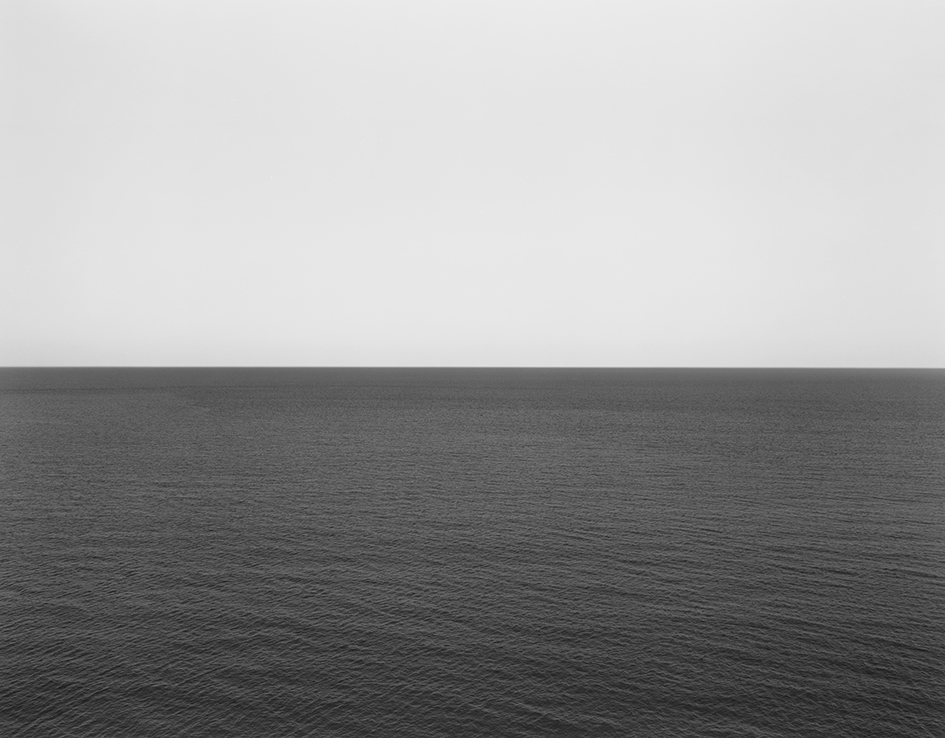
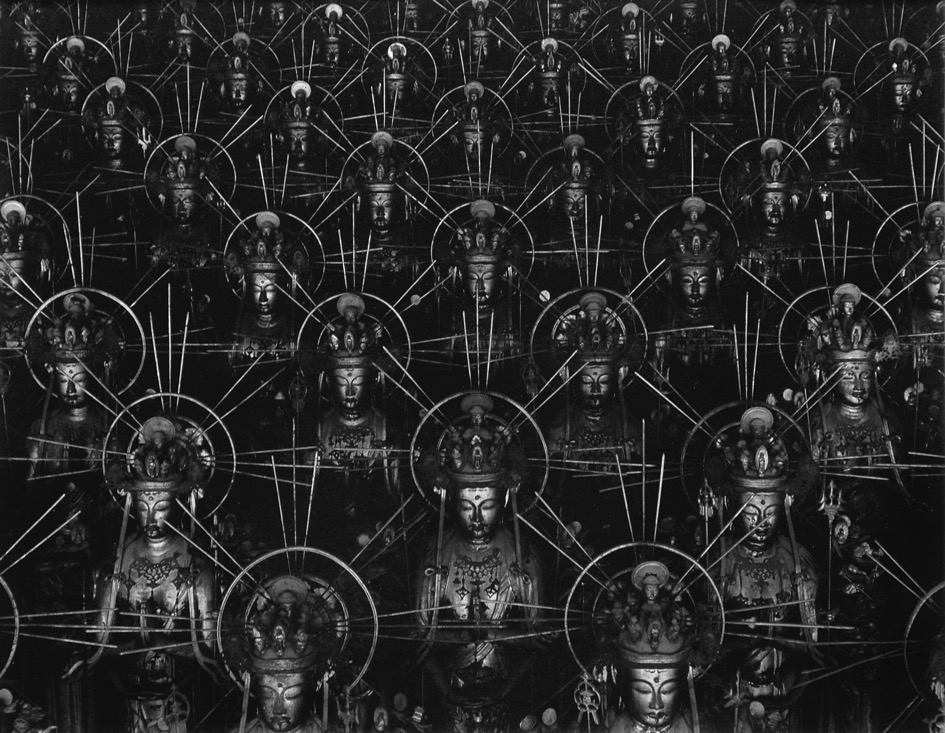
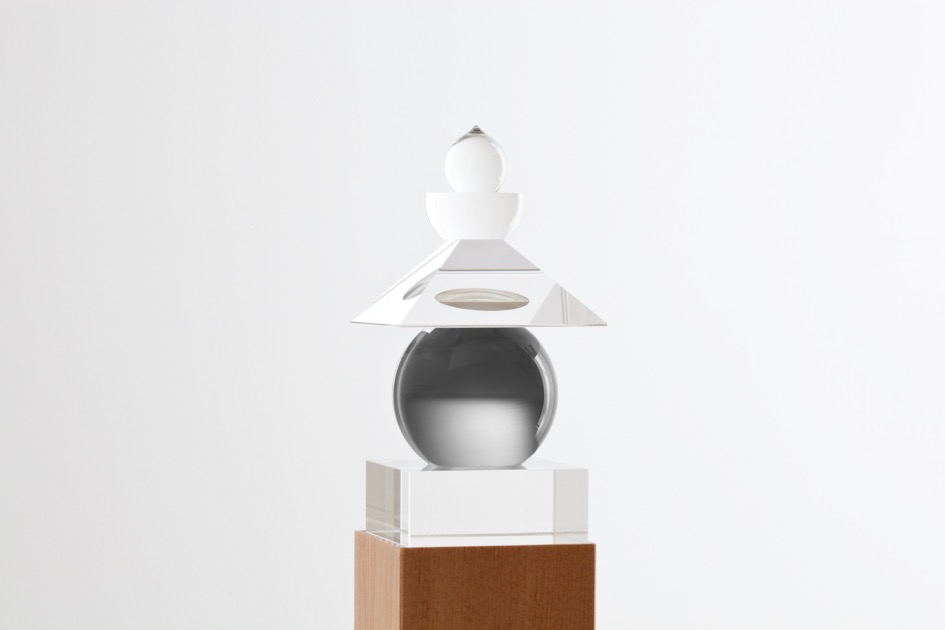
A third standout series of Sugimoto’s oeuvre, “Seascapes” (1980–) consists of shots of oceans around the world. These serene images posit the question: do we today, see the hazy boundary of sea and sky, horizon in the center, in the same manner as the ancients? In similar vein, “Sea of Buddha” (1995), in pursuit of the eternal beauty of the 1001 statues of the “Senju Kannon,” the “Thousand-Armed Merciful Bodhisattava Avalokitesvara” at the Sanjusangen-do temple in Kyoto, takes advantage of the morning sun rising from Higashiyama, unchanged since the temple was built in the 12th century, to recreate the view enjoyed by Emperor Go-Shirakawa, for whom the temple was built. Knowledge acquired from long years of involvement with antique art has seen Sugimoto’s interests expand thus to the accumulation of history, and the religious realm. “Five Elements” (2011) is a vivid reflection of Buddhist ideology showing the five major elements of the cosmos, but in its sphere representing water, contains film from “Seascape.” This brilliant piece of sculptural design signifying matter and spirit, time and space, may be seen as the culmination of its maker’s boundless curiosity.
READ MORE READ LESS
In 2008 he established the architecture firm New Material Research Laboratory which redesigned MOA Museum of Art in 2017 and designed Kiyoharu Art Colony Guesthouse Washin in 2019. In 2009 he founded Odawara Art Foundation, a charitable nonprofit organization to promote traditional Japanese performing arts and culture. He has deep knowledge about traditional performing arts. “Sugimoto Bunraku ‘Kannon Pilgrimage’ from The Sonezaki Love Suicides” received high acclaim nationally and internationally. In the fall of 2019, “At the Hawk’s Well," directed by Sugimoto, was featured as one of the opening programs of the season at The National Opera of Paris.
Sugimoto’s art works have been exhibited around the world and are in numerous public collections including Guggenheim, The Metropolitan Museum of Art, and The Museum of Modern Art in New York; Smithsonian Institution in Washington, D.C.; National Gallery and the Tate Gallery in London; and The National Museum of Modern Art and Museum of Contemporary Art in Tokyo. Sugimoto is the recipient of the Hasselblad Foundation International Award in Photography in 2001. He was awarded the 21st Praemium Imperiale in 2009, Medal with Purple Ribbon by the Japanese government in 2010, and conferred the Officier dans l’Ordre des Arts et des Lettres (The Order of Arts and Letters) by the French government in 2013, the Isamu Noguchi Award in 2014, and honored as a Person of Cultural Merit by the Japanese government in 2017, as a member of the Japan Art Academy in 2023.
BIOGRAPHY
1948Born in Tokyo
1970Graduated from Saint Paul’s University, Tokyo
1974Graduated from Art Center College of Design, Los Angeles
1974Moved to New York
Lives and works in Tokyo and New York
Selected Solo Exhibitions
2026Hiroshi Sugimoto: Extinction, The National Museum of Modern Art, Tokyo
Hiroshi Sugimoto: Form Is Emptiness, Singapore Art Museum
Hiroshi Sugimoto: Reprendre la mélodie, Musée Soulages Rodez, France
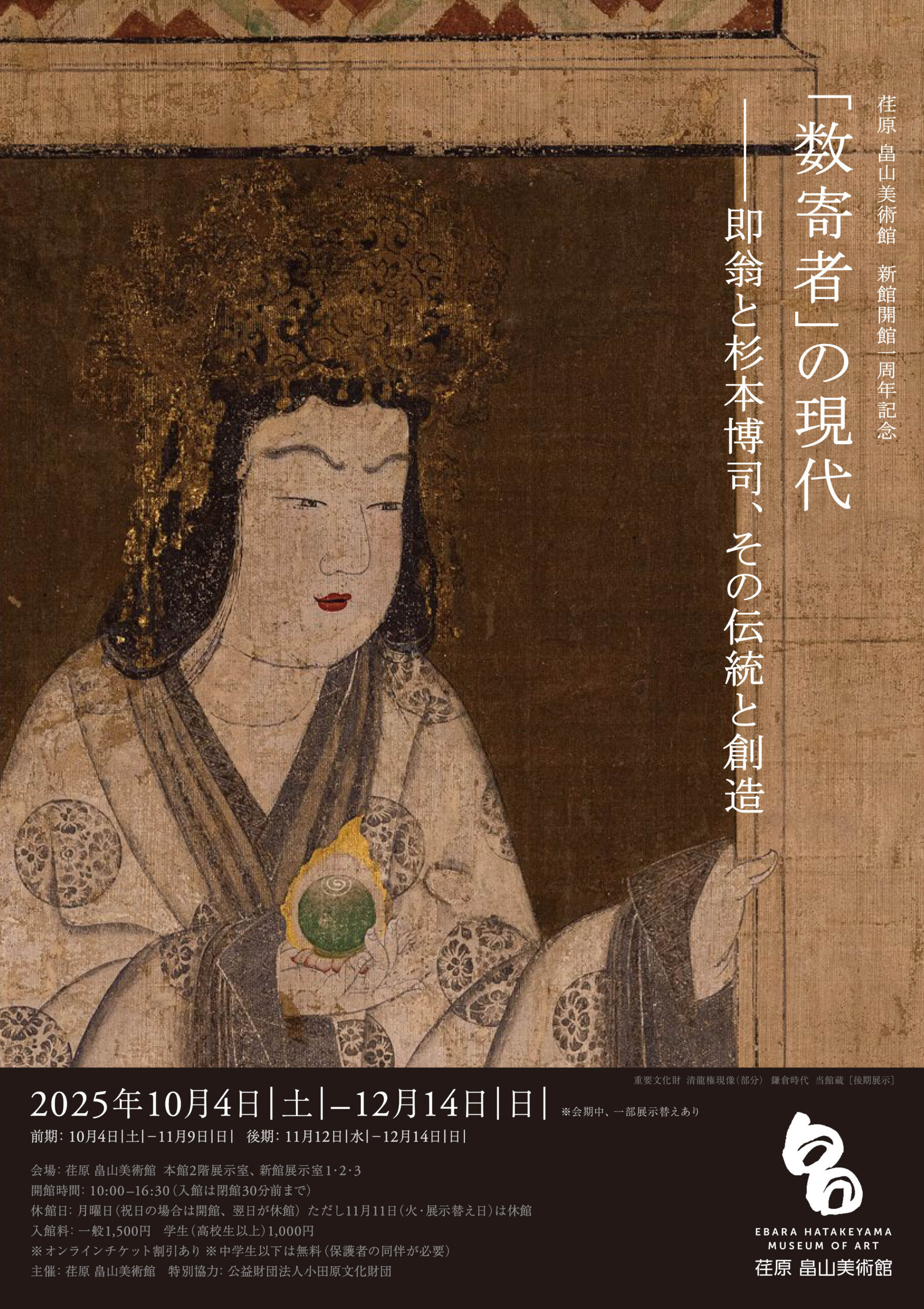
2025The Inspiring Aesthetics of “Sukisha”―Sokuō and Hiroshi SUGIMOTO, Tradition and Creation,, Ebara Hatakeyama Museum of Art, Tokyo
Hiroshi Sugimoto, Winsing Art Place, Taipei
2024Form Is Emptiness, Emptiness is Form., Lisson Gallery, Los Angeles
Optical Allusion, Lisson Gallery, New York
Giacometti/Sugimoto: Staged, The Institute Giacometti, Paris
2023Opera House, a selection for Bergamo, Academia Carrara, Bergamo
Hiroshi Sugimoto, Fraenkel Gallery, San Francisco
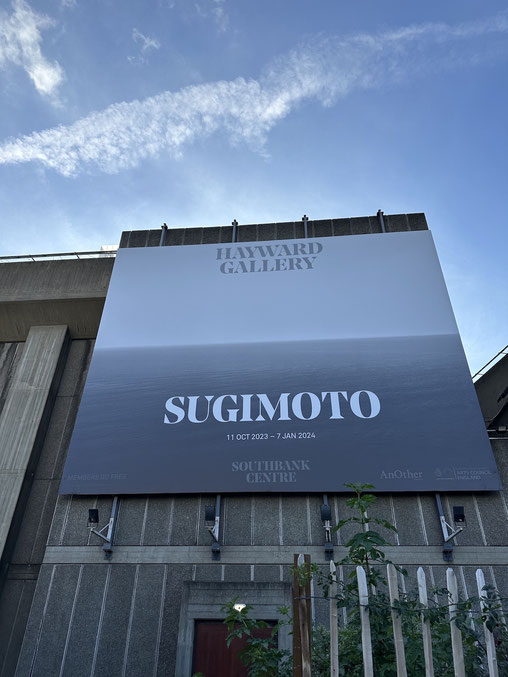
Time Machine, Hayward Gallery, London; UCCA Center for Contemporary Art, Beijing (2024); MCA Australia, Sydney (2024)
Honkadori Azumakudari, The Shoto Museum of Art, Tokyo
Playing with Fire, Gallery Koyanagi, Tokyo.
2022Special exhibition: The Descent of Kasuga Spirit, Kasugataisha Museum, Nara, Japan
Hiroshi Sugimoto Honkadori, Himeji City Museum of Art, Hyogo, Japan
OPERA HOUSE, Gallery Koyanagi, Tokyo
Journey of the Kasuga spirit, Kanagawa Prefectural Kanazawa-Bunko Museum, Japan
2021OPTICKS, Gallery Koyanagi, Tokyo
2020HYOGU – Frame of Japan, The Hosomi Museum Kyoto
Hiroshi Sugimoto – Post Vitam, Higashiyama Cube, Kyoto City KYOCERA Museum of Art, Kyoto
Past Presence, Gallery Koyanagi, Tokyo
2018Quatro Ragazzi: Hopes and Illusions of the Momoyama Renaissance – Europe through the Eyes of Hiroshi Sugiomto and the Tensho Embassy, Nagasaki Prefectural Art Museum, Japan
SUGIMOTO VERSAILLES: Surface of Revolution, The Estate of Trianon, Palace of Versailles, France
Nobunaga and Quattro Ragazzi: Hopes and Illusions of Momoyama Renaissance – Europe through the eyes of Hiroshi Sugimoto and the Tensho Embassy, MOA Museum of Art, Shizuoka, Japan
Hiroshi Sugimoto: Still Life, Royal Museum of Fine Arts of Belgium, Brussels
2017Gates of Paradise, Japan Society, New York
Le Notti Bianche, Fondazione Sandretto Re Rebaudengo, Torino
2016Lost Human Genetic Archive, Tokyo Photographic Art Museum, Tokyo
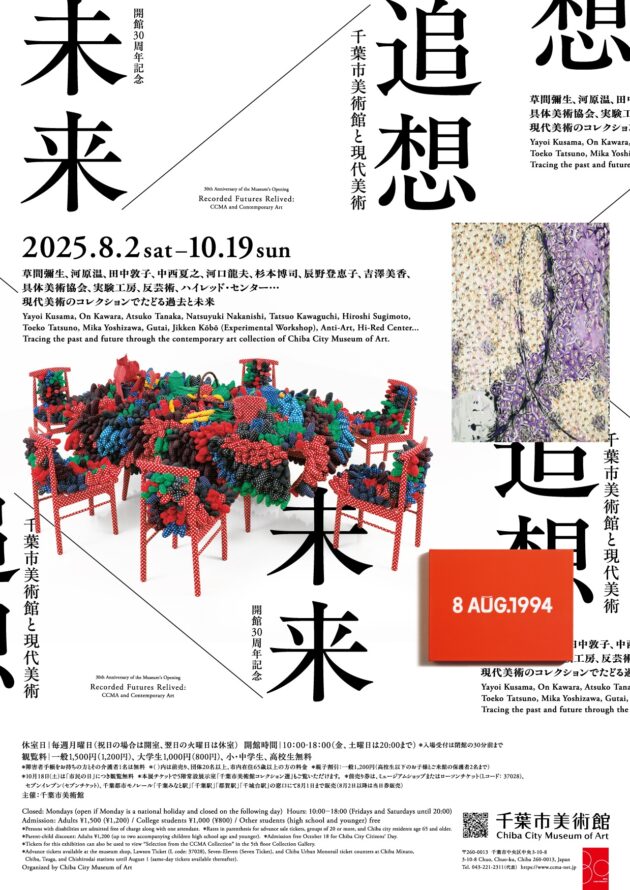
2015Art and Leisure, Chiba City Museum of Art, Japan; Hosomi Museum, Kyoto(2016)
Past and Present in Three Parts, Chiba City Museum of Art, Japan; Multimedia Art Museum, Moscow, Russia(2016); Musée des Beaux-Arts, Le Locle, Switzerland(2016)
2014ON THE BEACH, Gallery Koyanagi, Tokyo
Aujourd’hui, le monde est mort [Lost Human Genetic Archive], Palais de Tokyo, Paris
Hiroshi Sugimoto: Past Tense, The J. Paul Getty Museum, Los Angeles
2013Hiroshi Sugimoto, Leeum, Samsung Museum of Art, Seoul
2012Five Elements, Gallery Koyanagi, Tokyo
From Naked to Clothed, Hara Museum of Contemporary Art, Tokyo
2011Hiroshi Sugimoto ORIGINS OF ART | Architecture, Marugame Genichiro-Inokuma Museum of Contemporary Art, Kagawa, Japan
2009Hiroshi Sugimoto: Nature of Light, IZU PHOTO MUSEUM, Shizuoka, Japan
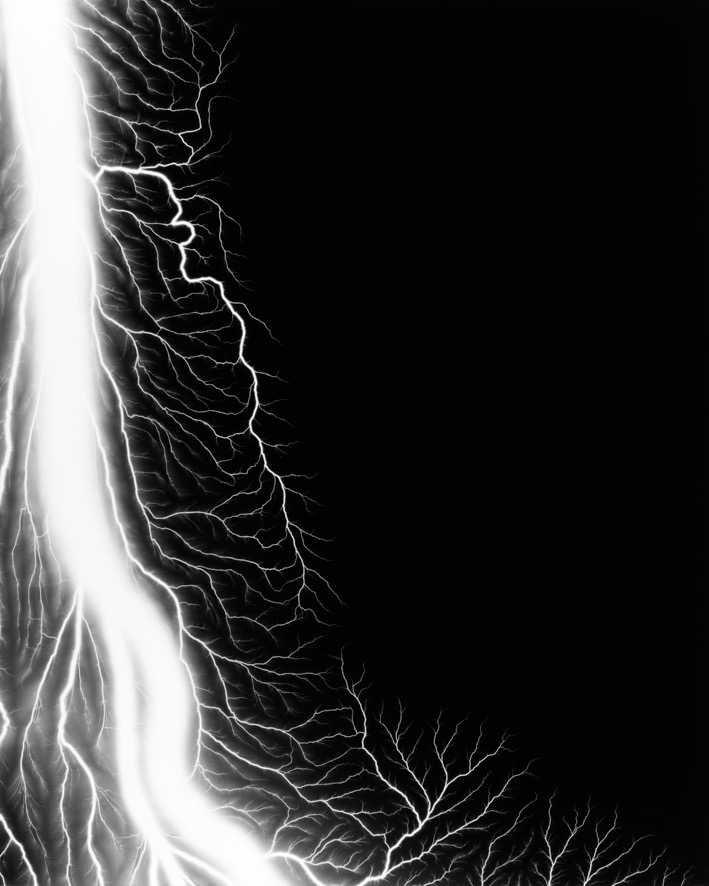
Lightning Fields, Gallery Koyanagi, Tokyo
2008History of History, 21st Century Museum of Contemporary Art, Kanazawa, Ishikawa, Japan; The National Museum of Art, Osaka(2009)
2007Leakage of light, Gallery Koyanagi, Tokyo
Hiroshi Sugimoto, K20 Kunstsammlung Nordrhein-Westfalen, Dusseldorf, Germany; Neue Nationalgalerie, Berlin, Germany(2008)
2006Art Capturing, Gallery Koyanagi, Tokyo
Mathematical Forms, L’atelier Brancusi, Centre Pompidou, Paris
2005History of History, Japan Society Gallery, New York
Hiroshi Sugimoto: End of Time, Mori Art Museum, Tokyo, Japan; Hirshhorn Museum and Sculpture Garden, Washington, D.C.(2006)
2004Étant donné: Le Grand Verre, Fondation Cartier pour l’art contemporain, Paris
2003Hiroshi Sugimoto, Serpentine Galleries, London
Hiroshi Sugimoto: L’histoire de l’histoire, Maison Hermès Forum, Tokyo
ARCHITECTURE, Gallery Koyanagi, Tokyo
Hiroshi Sugimoto: Architecture, Museum of Contemporary Art, Chicago
2001Hiroshi Sugimoto: The Architecture of Time, Kunsthaus Bregenz, Austria
Portraits, Gallery Koyanagi, Tokyo
2000Hiroshi Sugimoto, Museo de Arte Contemporaneo Internacional Rufino Tamayo, Mexico City, Mexico
Hiroshi Sugimoto: The Architecture Series, San Francisco Museum of Modern Art, California
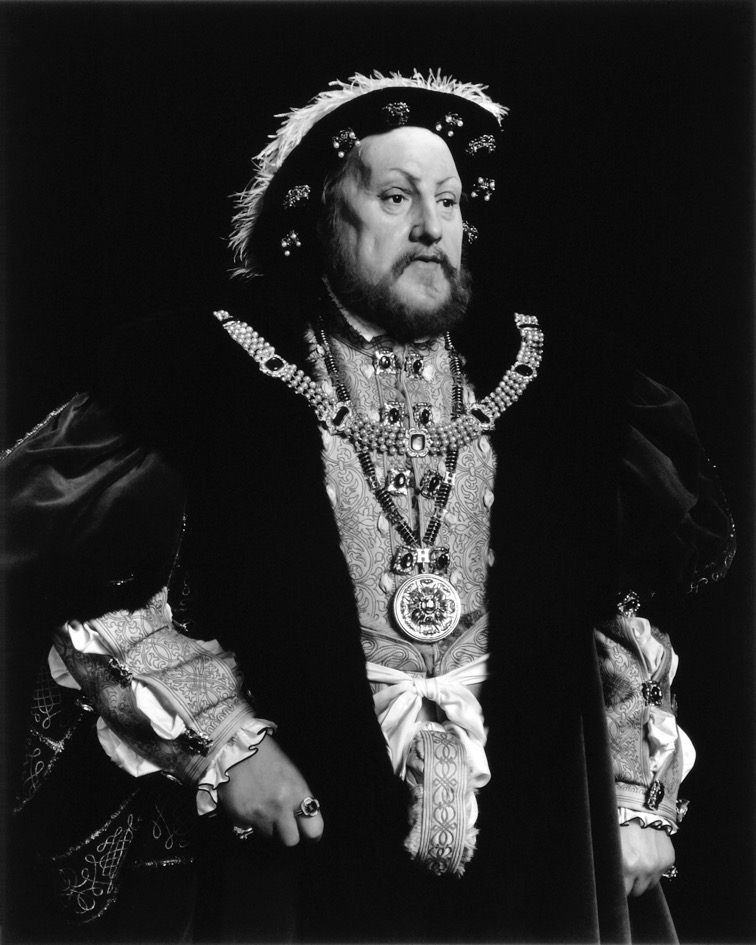
Sugimoto: Portraits, Deutsche Guggenheim Museum, Berlin; Guggenheim Museum, Bilbao, Spain; Solomon R. Guggenheim Museum SoHo, New York
1999In Praise of Shadows, Gallery Koyanagi, Tokyo
1998Modernism, Gallery Koyanagi, Tokyo
1997Twice as Infinity, Gallery Koyanagi, Tokyo
1996Hiroshi Sugimoto—Photographies, Moderna Museet, Stockholm, Sweden
Motion Picture, Gallery Koyanagi, Tokyo
1995Sill Life, Gallery Koyanagi, Tokyo
Sugimoto, Metropolitan Museum of Art, New York; Contemporary Arts Museum, Houston(1996); Hara Museum Arc, Gunma, Japan(1996); Akron Art Museum, Akron, Ohio(1997)
Hiroshi Sugimoto: Time Exposed, Kunsthalle Basel, Switzerland
1994Hiroshi Sugimoto, Museum of Contemporary Art, Los Angeles, California
1992Hiroshi Sugimoto: Time Exposed, CAPC Musée d’art contemporain de Bordeaux, France
1991Hiroshi Sugimoto: Time Exposed, Sagacho Exhibit Space and IBM Courtyard, Tokyo
1989Recent Works 5 Hiroshi Sugimoto, National Museum of Art, Osaka
1988Hiroshi Sugimoto, Sagacho Exhibit Space and Zeit-Foto Salon, Tokyo
Hiroshi Sugimoto: Dioramas, Theaters, Seascapes, Sonnabend Gallery, New York
1977Hiroshi Sugimoto, Minami Gallery, Tokyo