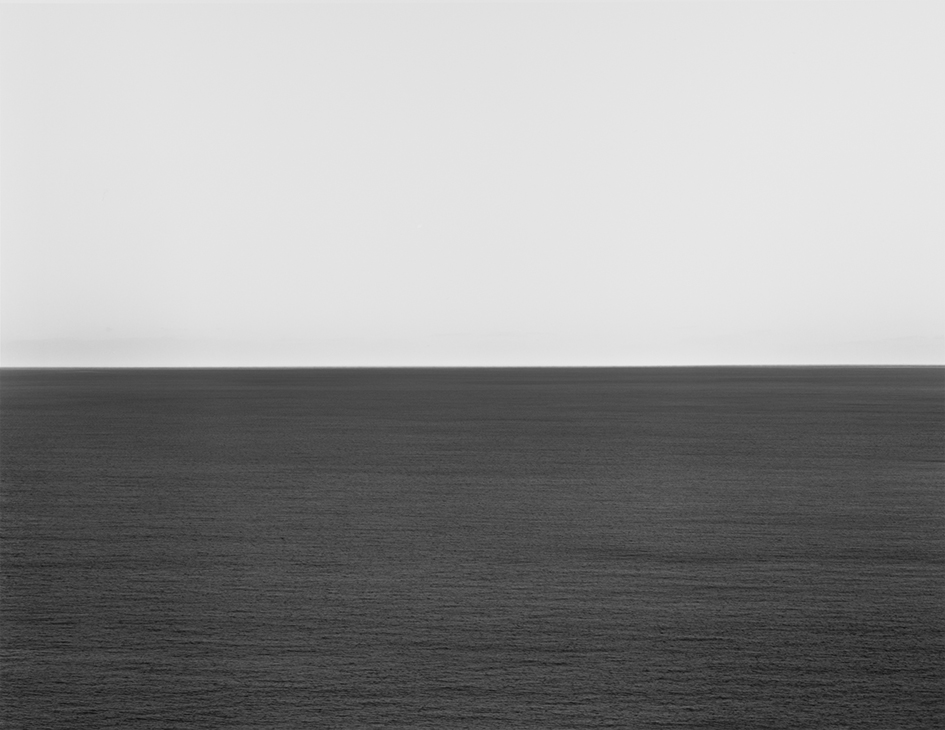
Hiroshi Sugimoto Seascapes Enoura | Pre-Photography Time-Recording Device
Saturday, July 4 - Saturday, September 12, 2026
12:00–19:00
*Closed on Sundays, Mondays, and National Holidays
[Opening Reception: July 4, 5-7pm]
The exhibition Hiroshi Sugimoto: Extinction has been on view at the National Museum of Modern Art, Tokyo since Tuesday, June 16. The first solo exhibition at a Japanese museum devoted entirely to Hiroshi Sugimoto’s photographic works, since Hiroshi Sugimoto: End of Time at the Mori Art Museum in 2005, this major retrospective explores the theme of “extinction.” Examining subjects ranging from the demise of gelatin silver photography as a medium to the potential extinction of human civilization, the exhibition presents a comprehensive overview of Hiroshi Sugimoto’s artistic vision.
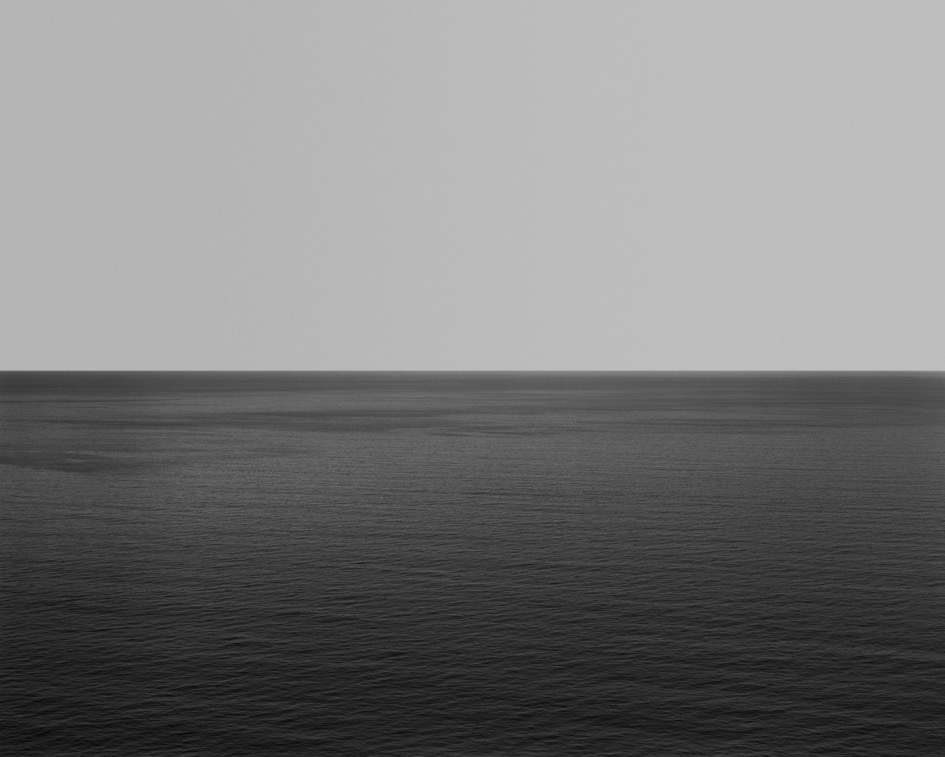
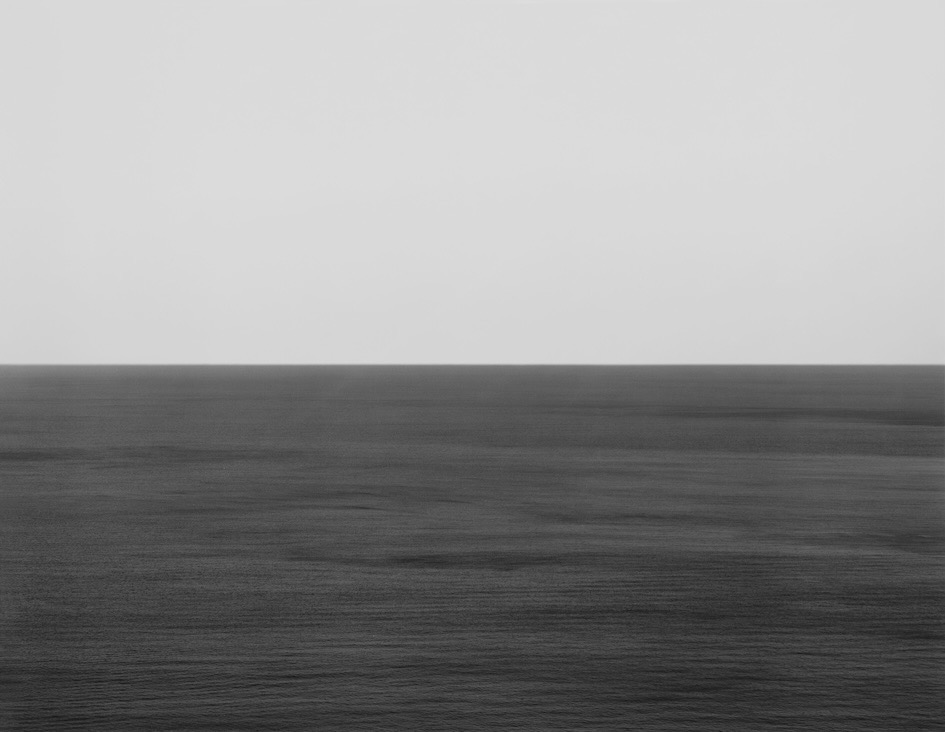
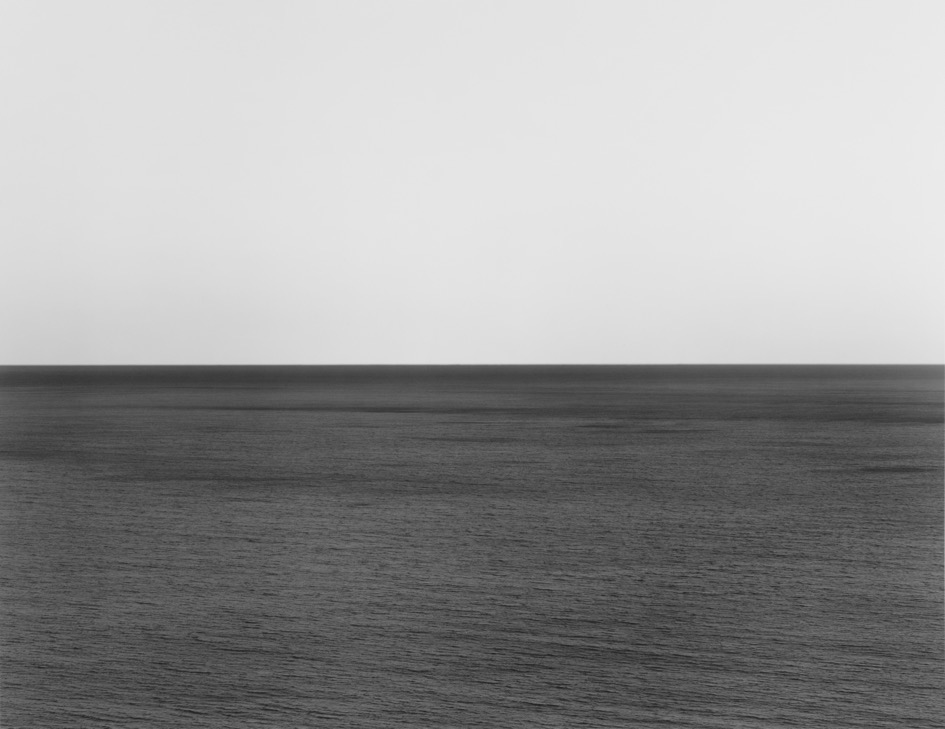
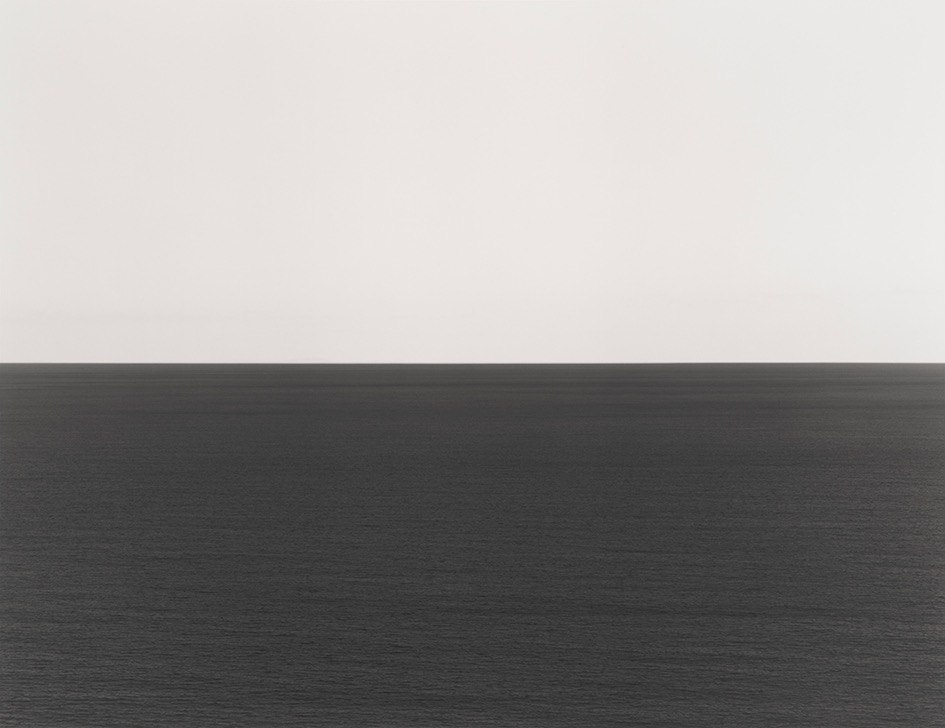
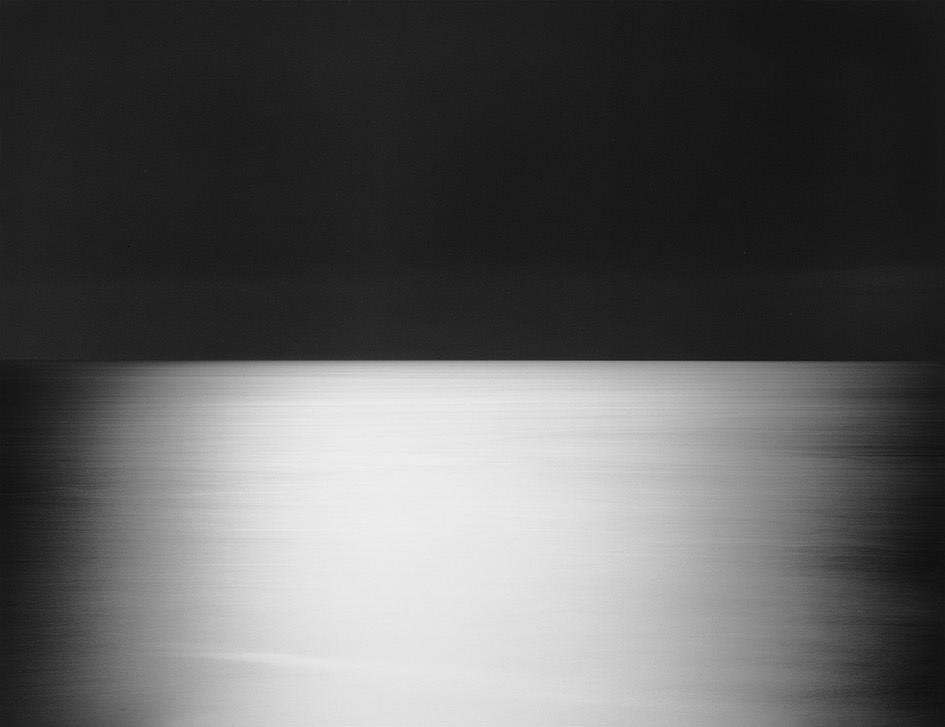
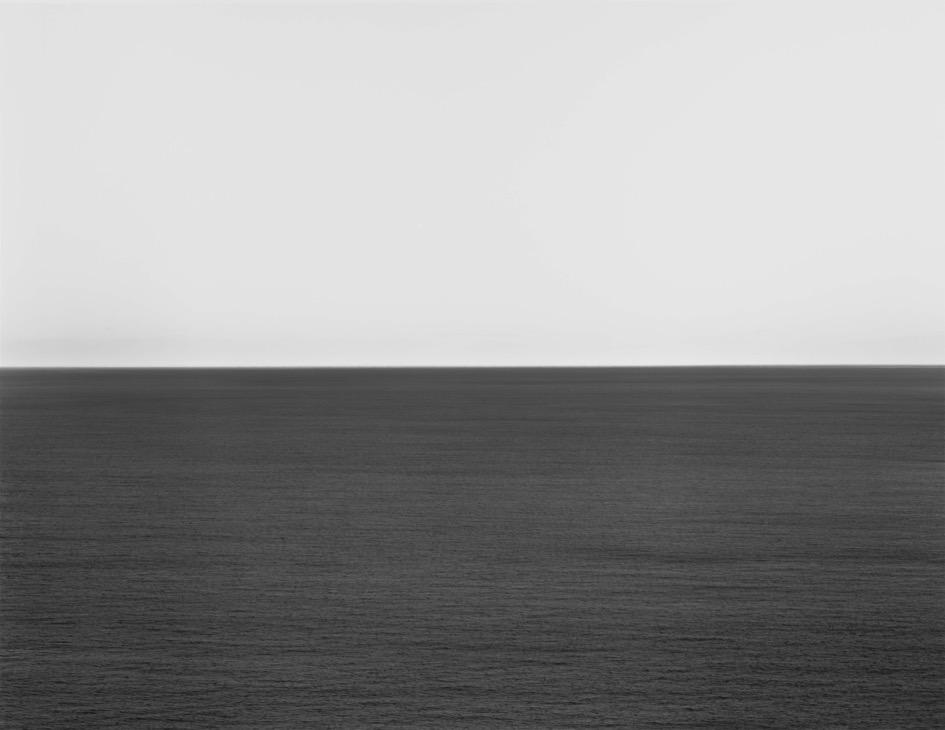
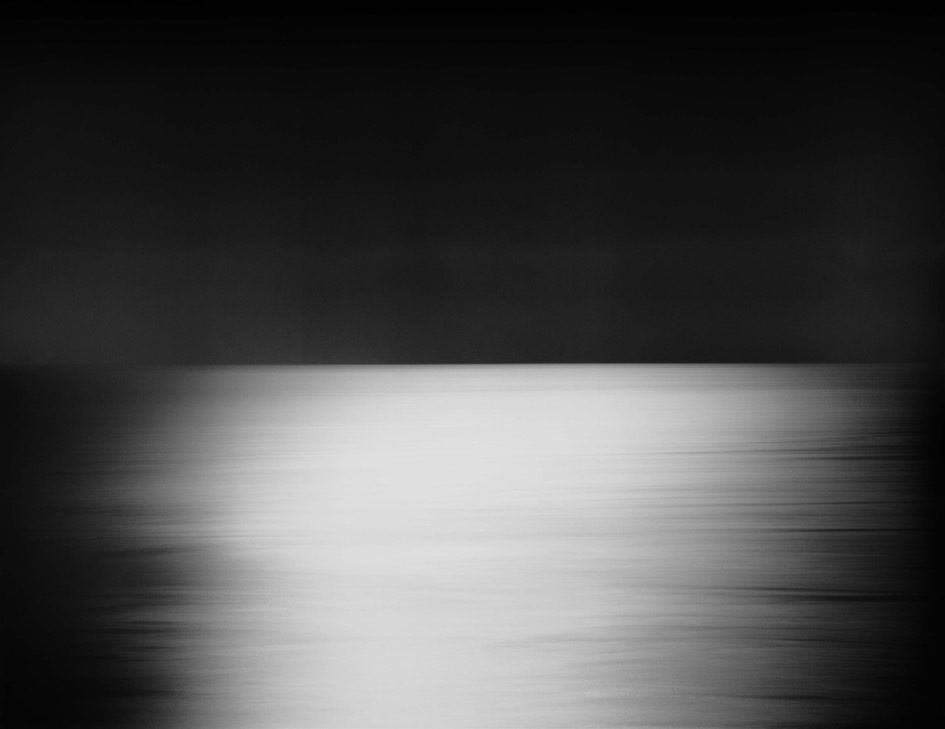
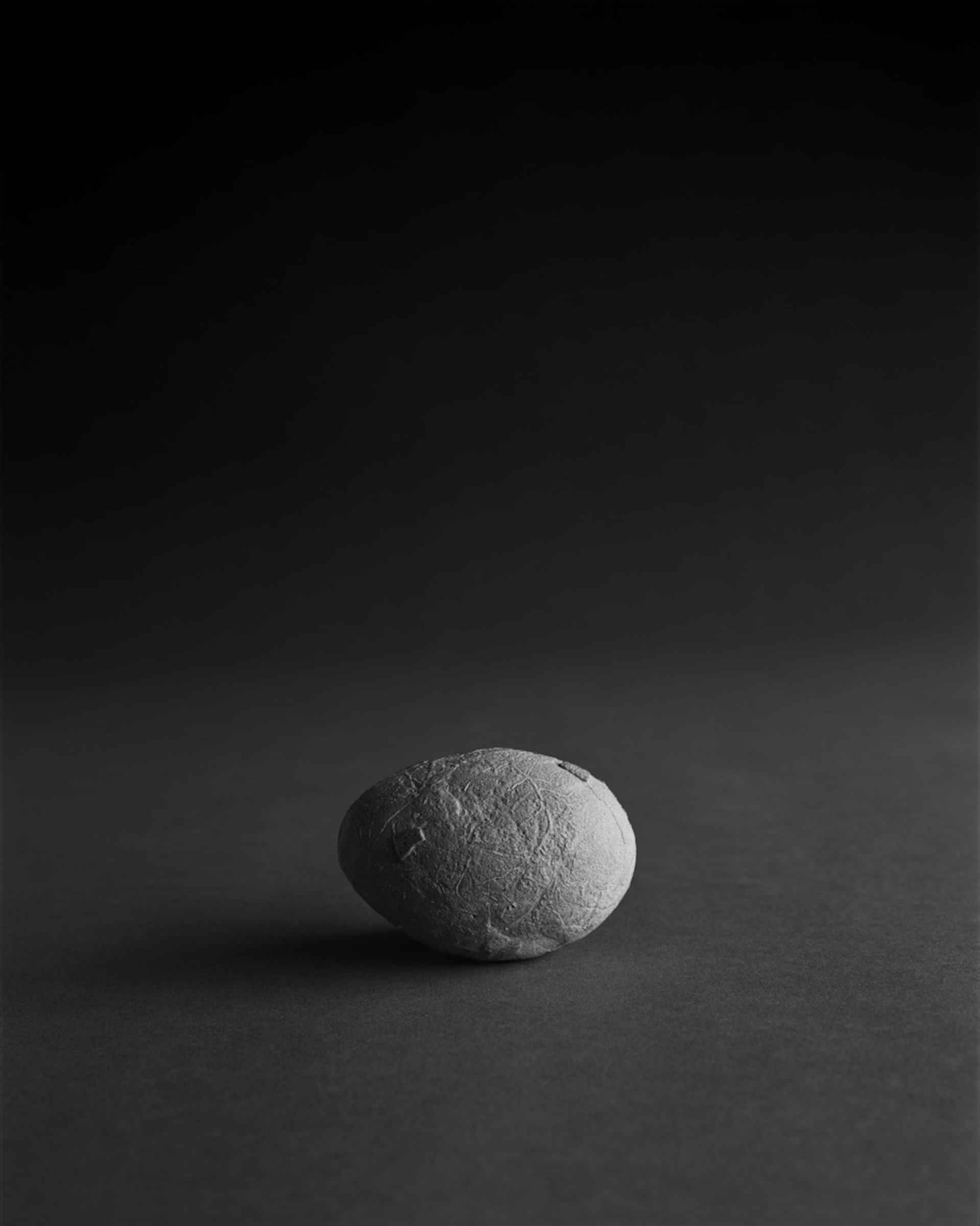
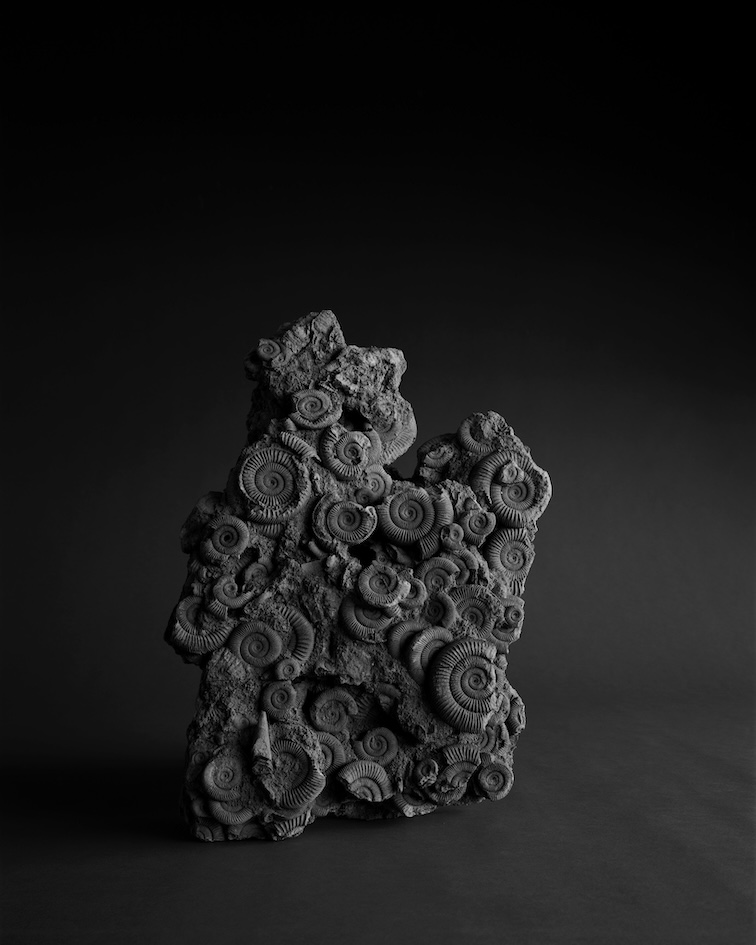
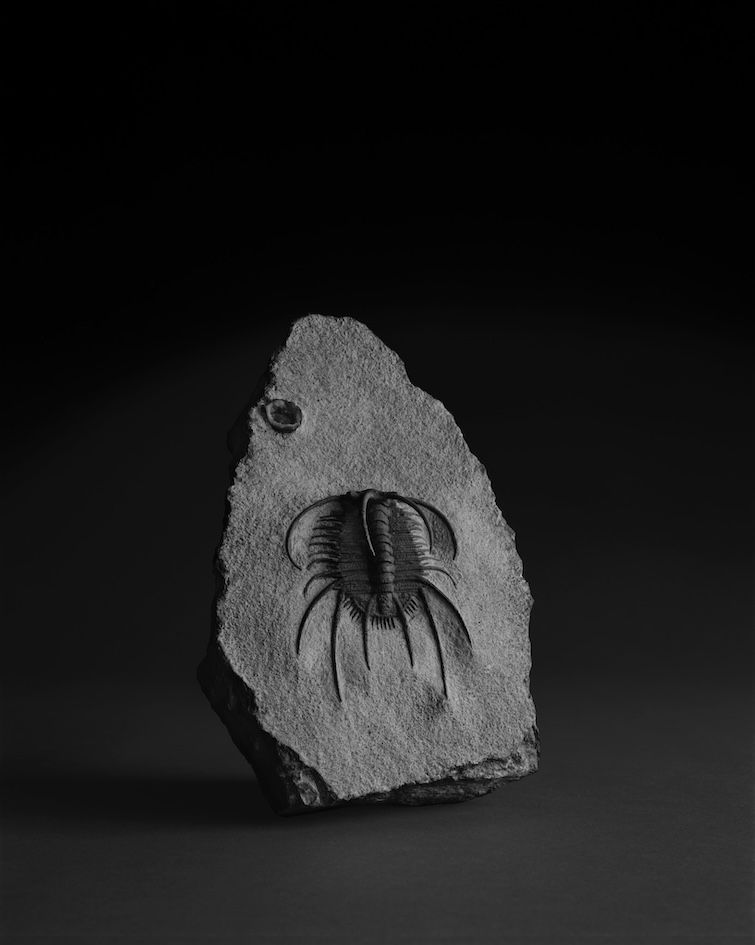
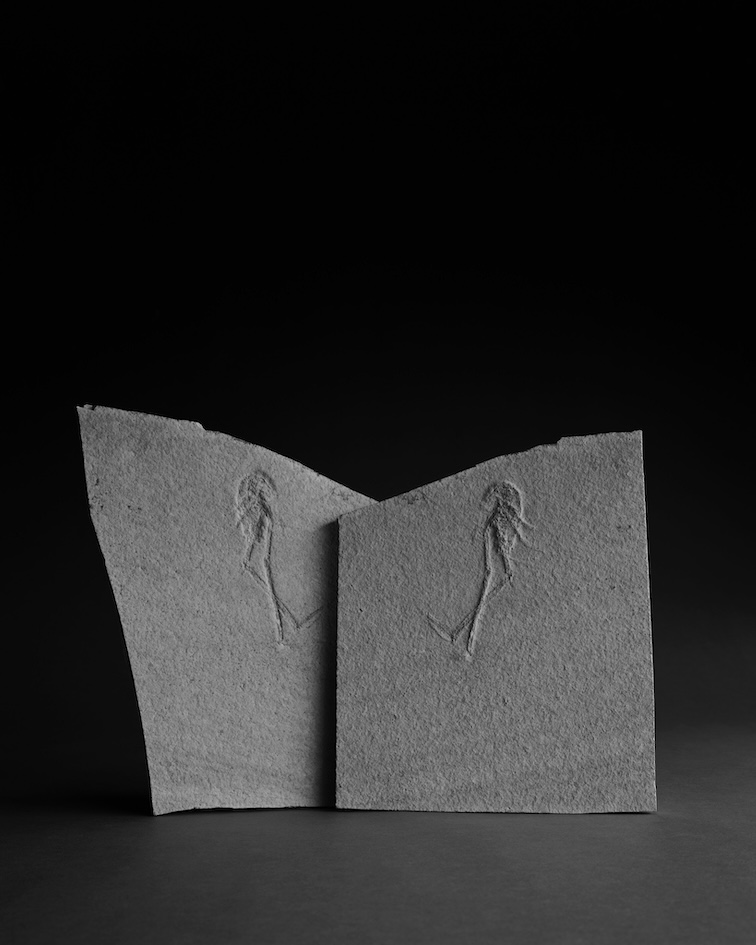
In conjunction with the museum exhibition, Gallery Koyanagi is pleased to present Hiroshi Sugimoto: Seascapes Enoura | Pre-Photography Time-Recording Device, on view from Saturday, July 4 through Saturday, September 12, 2026. The exhibition brings together, for the first time, every Seascape photographed from the Enoura Observatory, alongside selections from P.P.T.R.D. (Pre-Photography Time-Recording Device), Sugimoto’s platinum-print series depicting fossils he has collected over the years.
READ MOREREAD LESS
Seascapes — Enoura
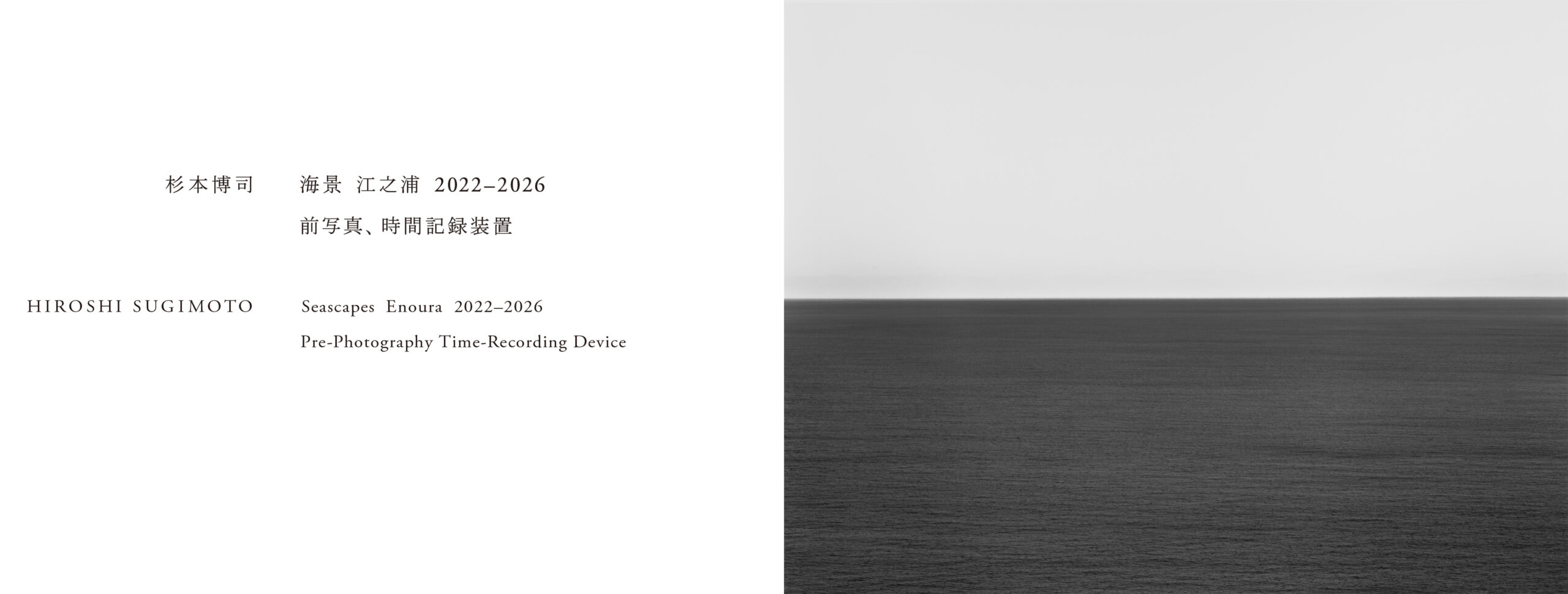
Hiroshi Sugimoto’s artistic practice encompasses photography, architecture, garden design, sculpture, performing arts, and calligraphy. Yet at the core of his work lies the medium to which he has devoted himself for more than half a century: gelatin silver photography. Together with Dioramas and Theaters, Seascapes forms one of Sugimoto’s earliest and most iconic series, representing the fullest expression of his mastery of gelatin silver print. Reduced to the simplest possible composition, sea and sky divided by a single horizon, the photographs achieve an extraordinary richness of tonal gradation, a unique characteristic of the medium. This world of profound stillness transcends the limits of human vision.
Created in response to Sugimoto’s enduring question, “Can someone today view a scene just as primitive man might have?” Seascapes traces the origins of human consciousness through images of the sea and sky that have remained unchanged since prehistoric times. Sugimoto began photographing Bay of Sagami, what he calls his “primal landscape,” from the Enoura Observatory of the Odawara Art Foundation in 2022. Because the waters are free of fishing boats and pleasure craft only on New Year’s Day, each photograph can be made only once a year, making the annual act an increasingly important ritual for the artist. This exhibition presents all Seascapes photographed at Enoura, from the inaugural photograph made in 2022 to the newest work completed in 2026, offering an exceptionally rare opportunity to view the entire series together.
Pre-Photography Time-Recording Device
This crustacean fossil emerged when the rock was split in two, like the negative and positive of a photographic image, preserving within it 150 million years of frozen time.
Through these fossils, I hope to trace not only the history of humankind, but the history of life itself.
— Hiroshi Sugimoto
Sugimoto’s reflections on photography and time extend all the way back to prehistoric times. For many years he has collected fossils, and some of them are on display in the “Fossil Cave” at the Enoura Observatory. Sugimoto regards fossils, which faithfully recorded the passage of time long before the emergence of humankind, as “pre-photographic time-recording devices.” In the P.P.T.R.D. series, he re-photographs these ancient records, transforming them into photographic works. The exhibition also offers an opportunity to experience the distinctive tactile quality and luminous tonal richness unique to platinum printing, in contrast to gelatin silver photography.
A reception with Hiroshi Sugimoto will be held on the opening day of the exhibition, Saturday, July 4, from 5:00 to 7:00 p.m. We warmly invite you to experience this unprecedented presentation of the complete series of Enoura Seascapes, together with Hiroshi Sugimoto: Extinction at the National Museum of Modern Art, Tokyo.