Tabaimo

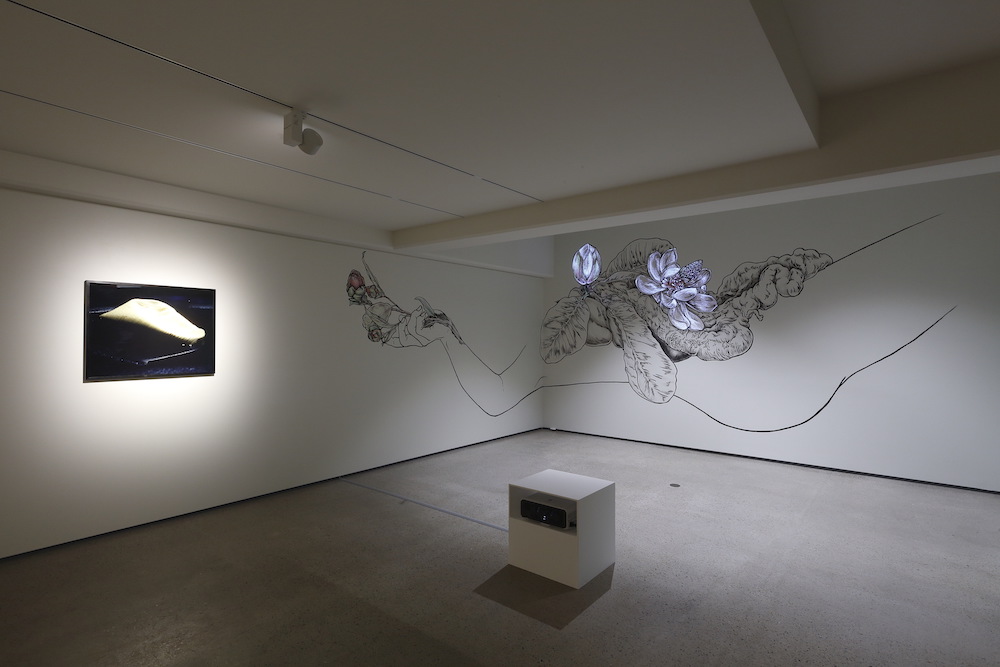
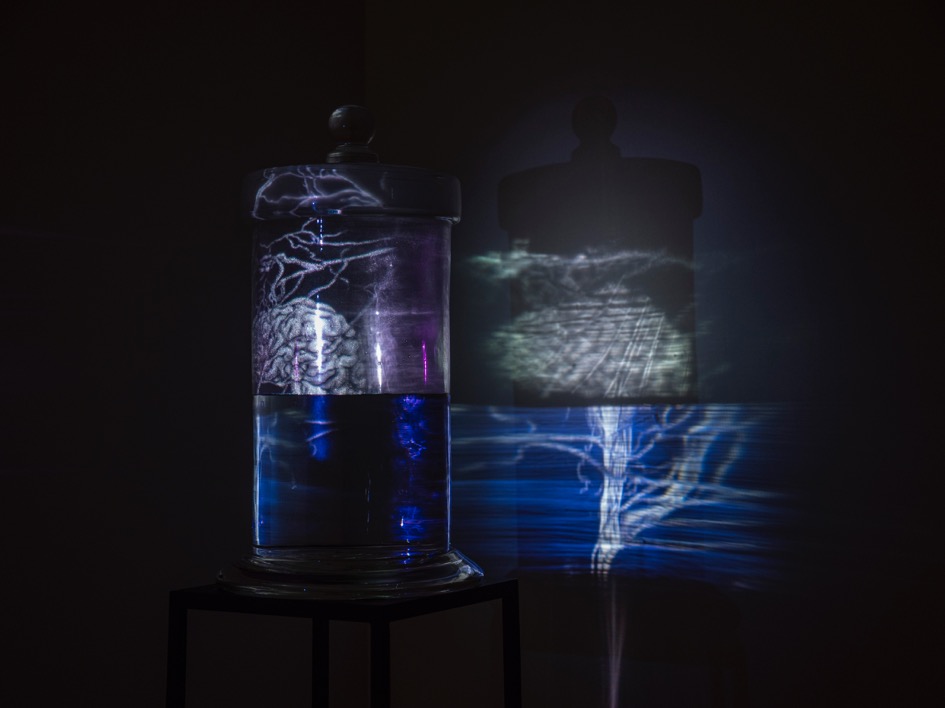
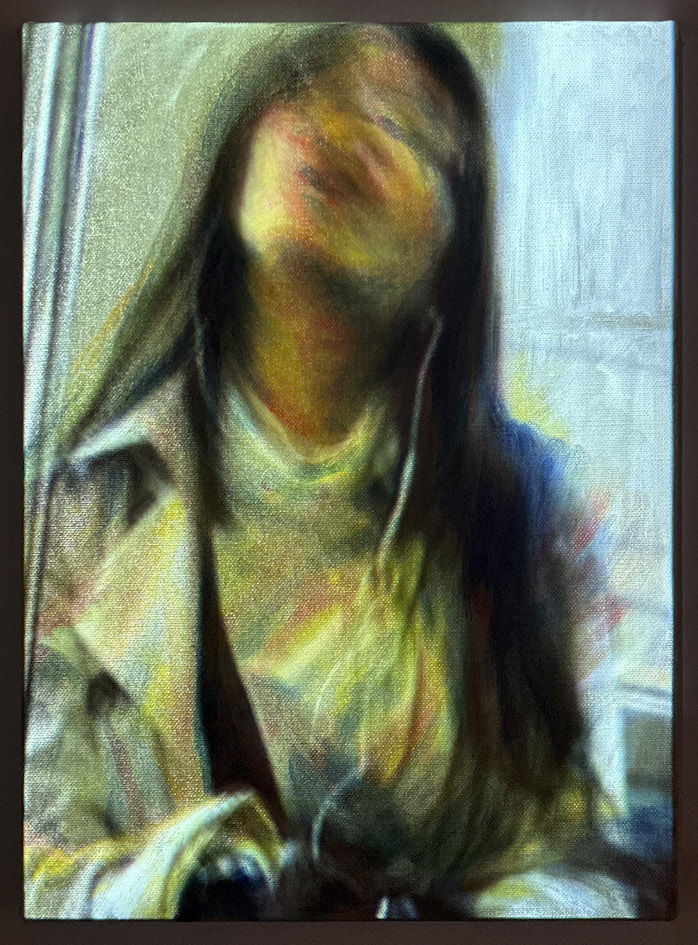
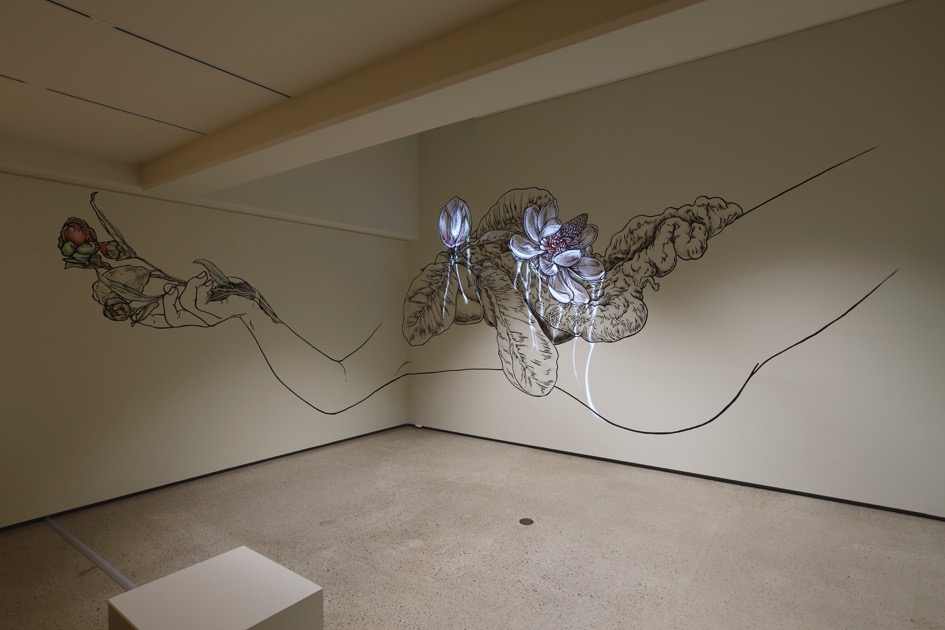
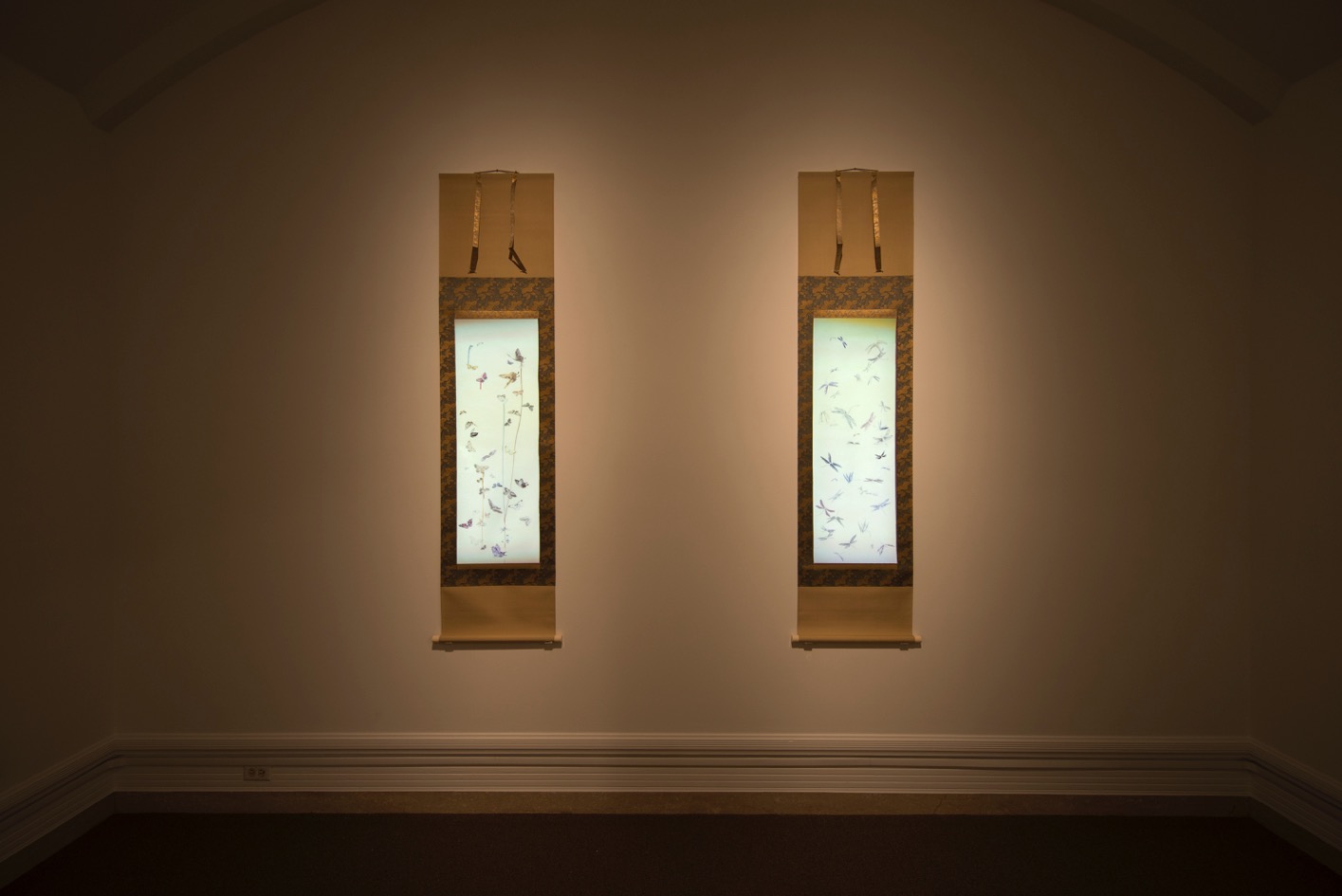
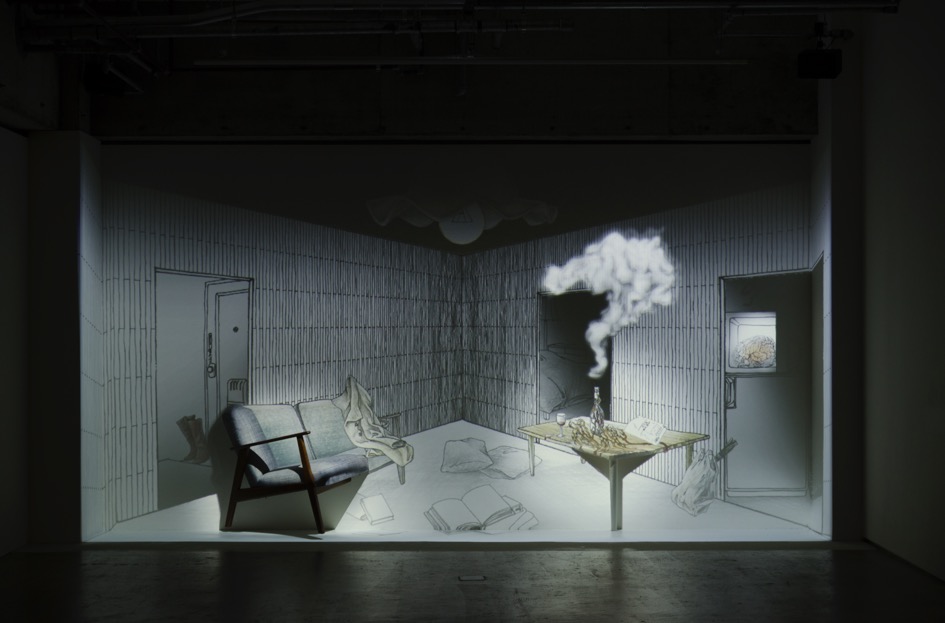
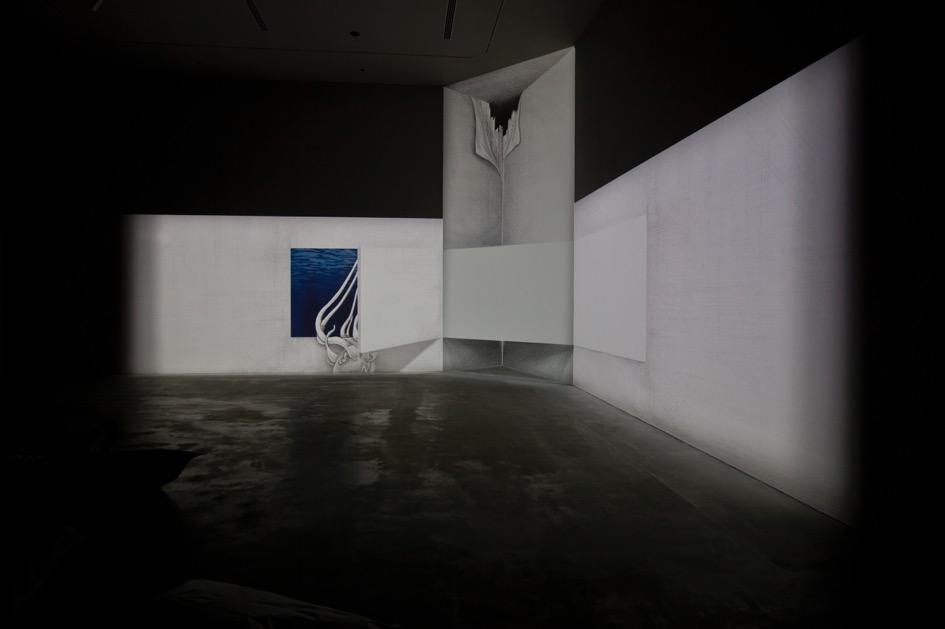
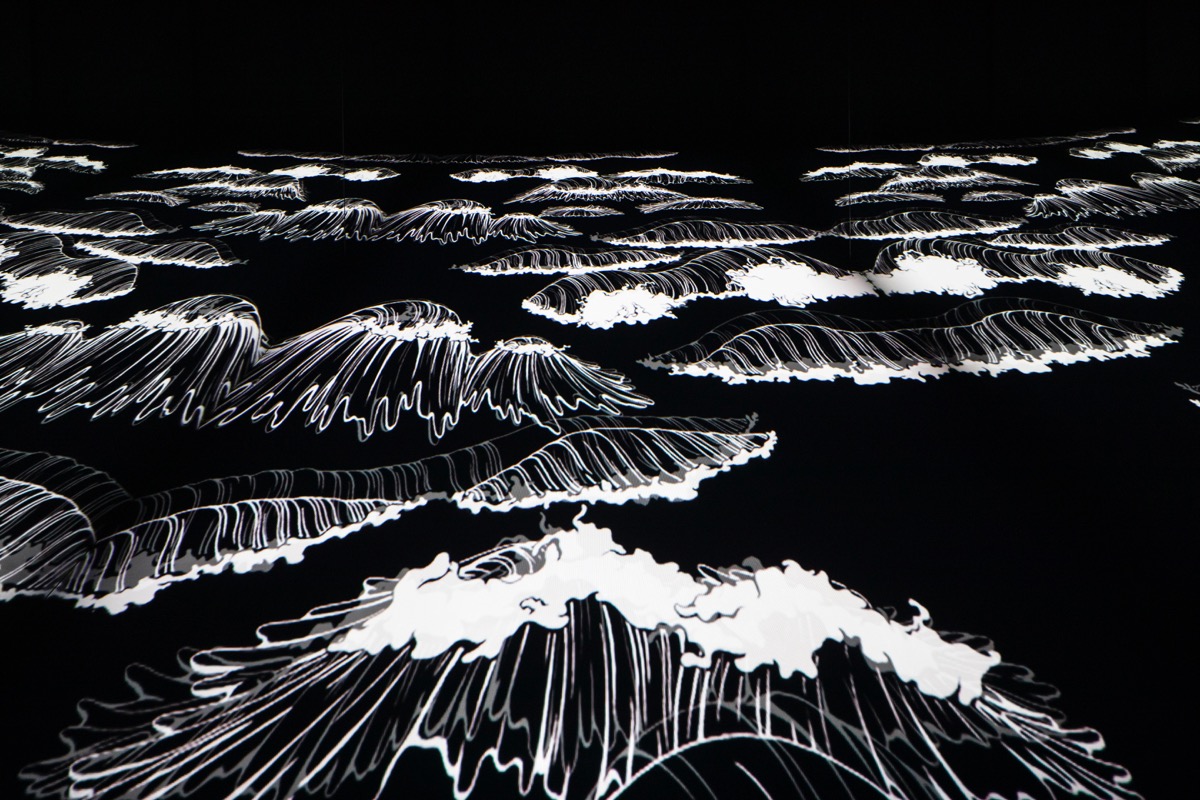
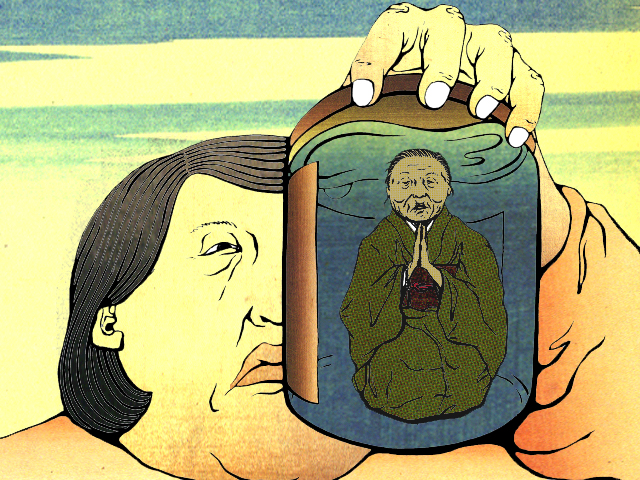
Tabaimo is known for her distinctive creative approach of composing hand-drawn animations as installations. Everyday scenes rendered in hues and carefree rhythms reminiscent of ukiyo-e prints illuminate dark corners of modern society, and the inner lives of individuals, in a manner surreal and cynical.
In her striking debut, 1999’s Japanese Kitchen, the routine of a housewife in a cramped kitchen, overwhelmed by the myriad tasks of daily life, unfolds in a video resembling a picture scroll. Absurd scenes such as a weather report forecasting high school students raining from the sky, and a politician giving a speech in a microwave oven, seem to lampoon news destined to be simply consumed without any solution to the problem of youth suicide, for example, or of low trust in politics. Other works set in typically Japanese scenarios such as a pedestrian crossing, a public bathhouse, and a commuter train, also pose some searching questions on twists amid the smooth running of society, and the unsettling realities that lurk beneath the surface of daily living. This style of production earned Tabaimo wide acclaim, and resulted in her selection for the first Yokohama Triennale in 2001, the youngest artist in the lineup.
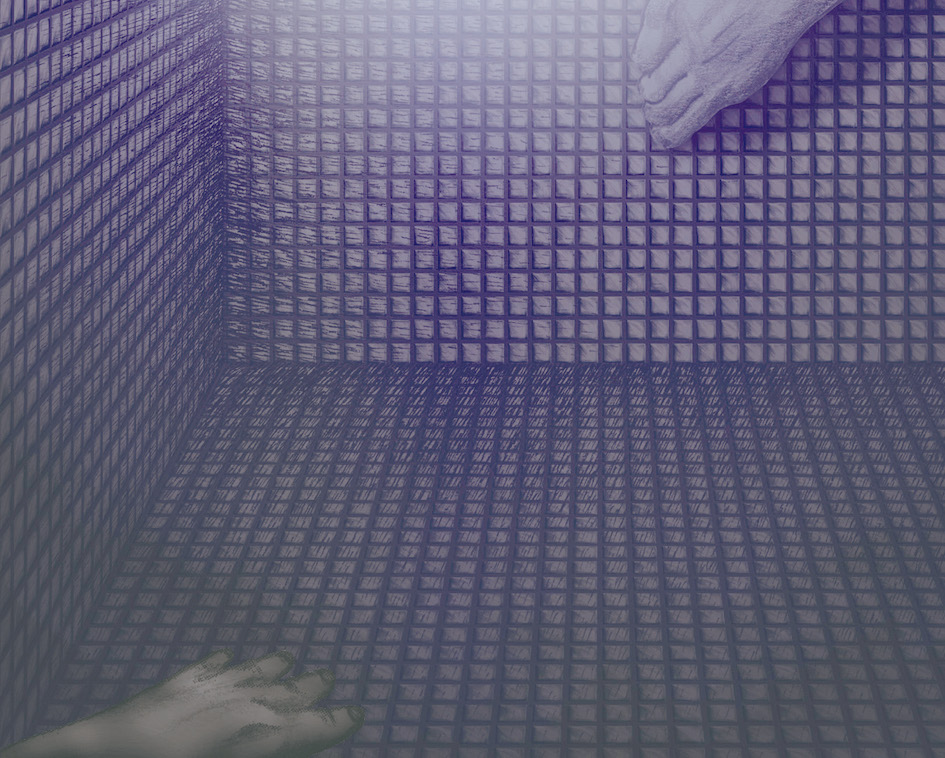
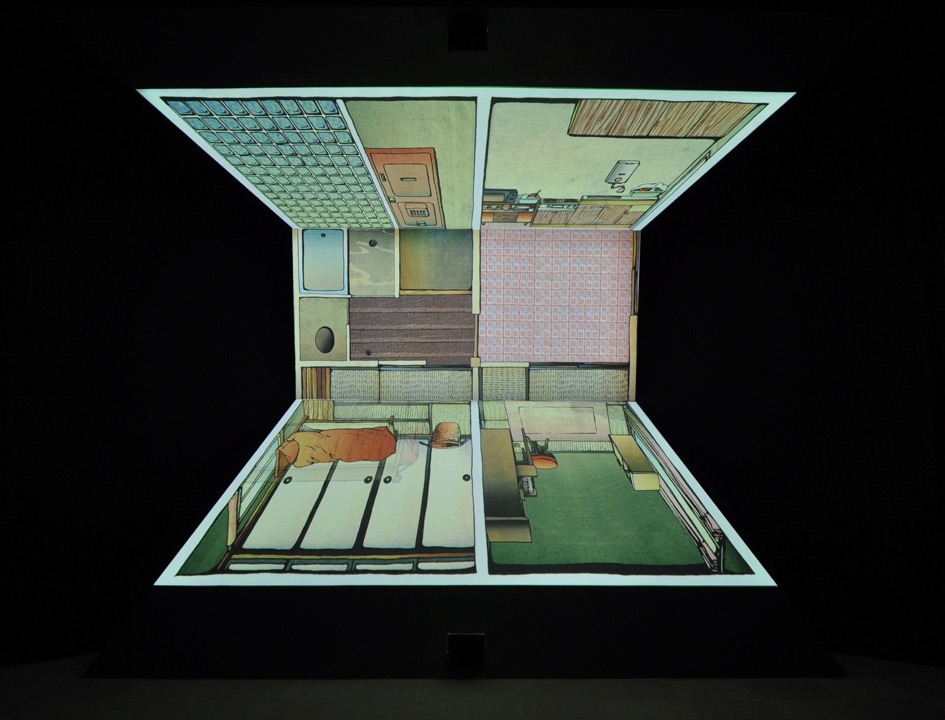
Following time in London in 2003, Tabaimo reached a turning point in her practice. Having previously produced critical depictions of aspects of the outside world of Japanese society, with the more objective viewpoint and opportunity for introspection afforded by her time overseas, she began to inquire more deeply into the relationship between “inside and out.” public conVENience (2006) for instance shows, on three vast screens, the behaviors of people in a women’s toilet. A public space, yet a space where people engage with themselves while affecting a lack of interest in each other; as such the work calls to mind the online world, with its strange schema by which strangers share information intimately in strictly siloed spaces.
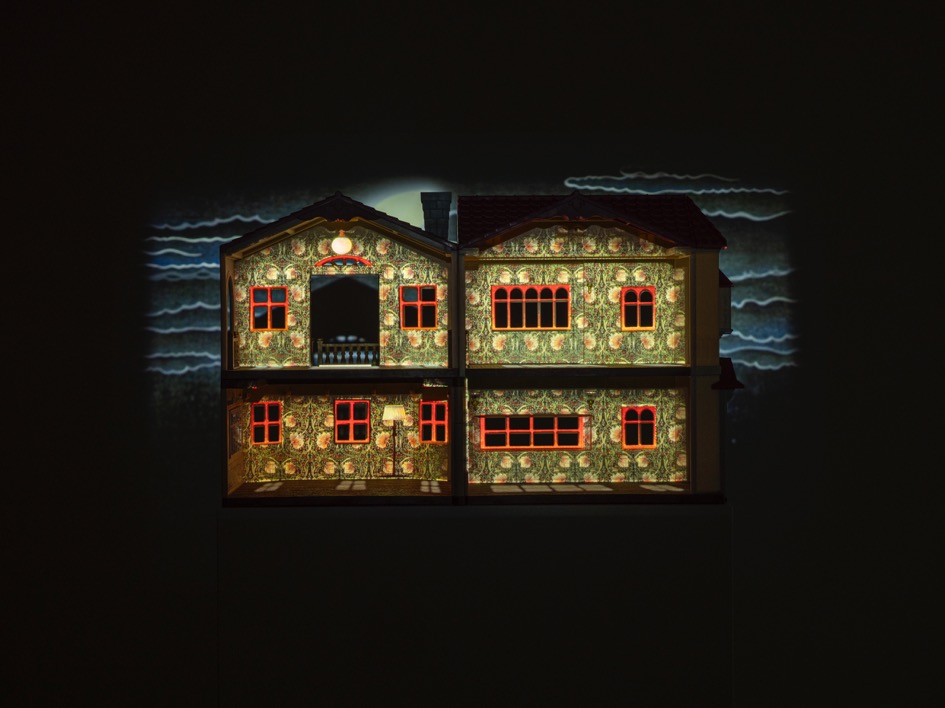
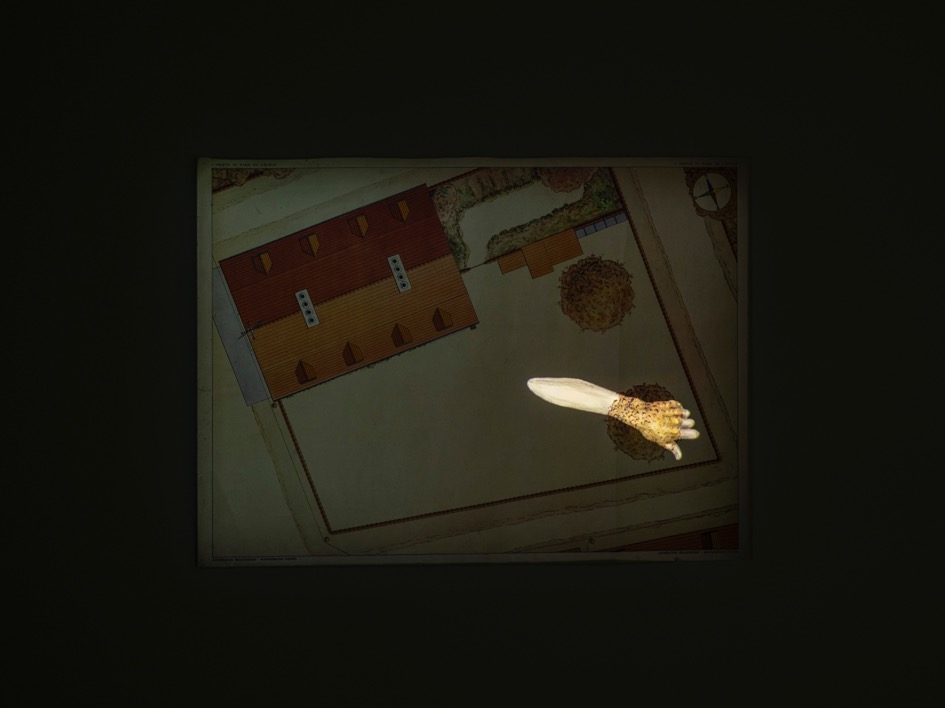
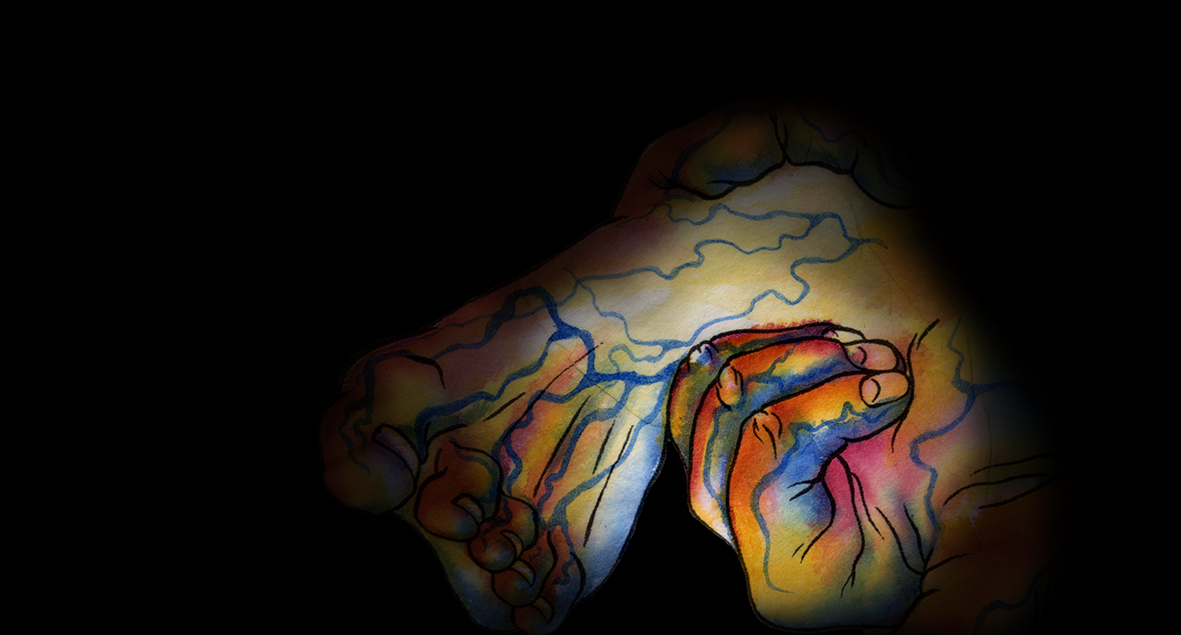
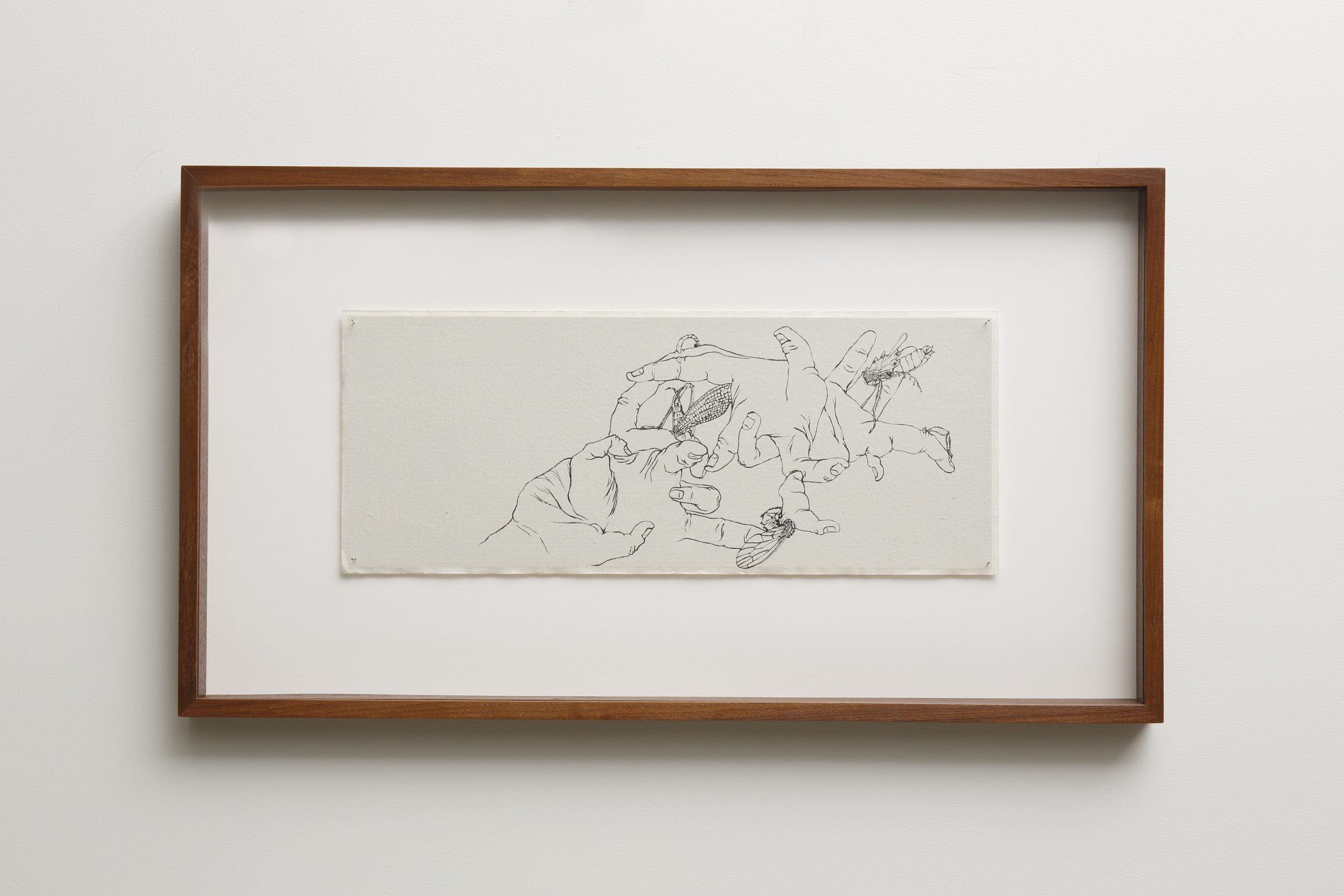
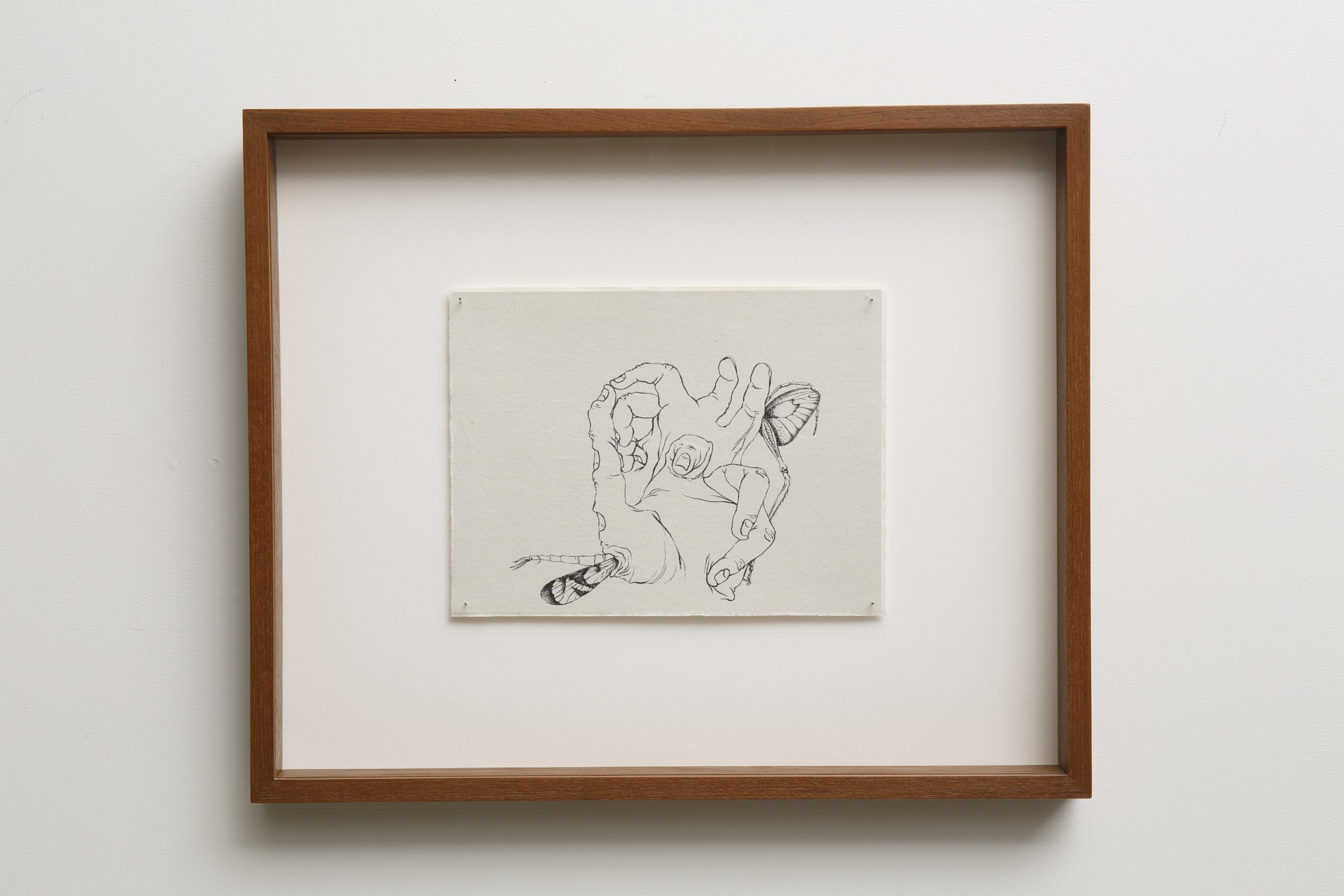
Then in dolefullhouse (2007), Tabaimo takes a close-up look at her own eczema-prone hands. The hands arranging elegant furniture in the dollhouse resemble life-forms with something squirming within, occasionally relentlessly scratching fingers or wrists as if in irritation at the divorcing of ideal and reality.
In 2011, as Japanese representative at the Venice Biennale, Tabaimo presented teleco-soup. Inspired by the proverb of the frog in the well, this work included mirrors in the space to expand the images, and give the viewer a more immersively physical experience.
Tabaimo has also embarked on a number of collaborations, starting with a 2006 stage production with Ohad Naharin of the Israeli Batsheva Dance Company. Following illustrations for a serialized novel, and collaboration with a dancer, in 2024 she unveiled Touch on an Absence, a joint production with overseas animation artists, in which visitors relied on light and sound to move around the spaces of the installation. Through these activities with creators from other genres, Tabaimo has succeeded in pushing the boundaries of her own range of expression even further.
READ MORE READ LESS
Her international career began when she participated in the YOKOHAMA 2001 International Triennale of Contemporary Art. Since then, she has taken part in numerous international exhibitions, including the 15th Biennale of Sydney (2006) and a solo exhibition at the Japan Pavilion during the 54th Venice Biennale (2011). Her major solo exhibitions to date include shows at the Hara Museum of Contemporary Art, Tokyo (2006), Fondation Cartier pour l'art contemporain, Paris (2006), Yokohama Museum of Art, Kanagawa (2009), The National Museum of Art, Osaka (2010), Museum of Contemporary Art Australia, Sydney (2014), San Jose Museum of Art (2016), Seattle Asian Art Museum (2016), and Kunstforeningen GL Strand, Copenhagen (2023). Her works are included in the collections of major art museums both in Japan and abroad.
BIOGRAPHY
1975Born in Hyogo, Japan
Lives and works in Nagano, Japan
Selected Solo Exhibitions
2024afterwards, Gallery Koyanagi, Tokyo
2023Nest, Kunstforeningen GL Strand, Copenhagen, Denmark
2020Ghost Running Vol.2, Gallery KIDO Press, Tokyo
2019Transparent Distortion, Pola Museum Annex, Tokyo
Ghost Running, Gallery KIDO Press, Tokyo
2018flow-wer arrangement, Gallery Koyanagi, Tokyo
zun ten ton chin shan, Gallery KIDO Press, Arts Chiyoda 3331, Tokyo
Tabaimo: Clue to Utsushi, James Cohan Gallery, New York
2017Hammer Projects: Tabaimo, Hammer Museum, Los Angeles
2016Tabaimo: Utsutsushi Utsushi, Asian Art Museum, Seattle
Tabaimo: Her Room, San Jose Museum of Art, San Jose, USA
2015Ikihana, Gallery Koyanagi, Tokyo
Tabaimo: aitaisei-josei, Fondation Vincent van Gogh, Arles, France
2014Tabaimo: MEKURUMEKU, Museum of Contemporary Art Australia, Sydney
2011Tabaimo: DANDAN, James Cohan Gallery, New York
Tabaimo: teleco-soup, 54th Venice Biennale, Japanese Pavilion, Venice
2010TE TE TE, Gallery Koyanagi, Tokyo
Boundary Layer, Parasol unit foundation for contemporary art, London
emerge as, Singapore Tyler Print Institute
2009Tabaimo: DANMEN”, Yokohama Museum of Art, Kanagawa, Japan; The National Museum of Art, Osaka
Moderna Museet Now: TABAIMO, Moderna Museet, Stockholm, Sweden
2008house, Gallery Koyanagi, Tokyo
TABAIMO, James Cohan Gallery, New York
2006Tabaimo, Fondation Cartier pour l’art contemporain, Paris
YOROYORON Tabaimo, Hara Museum of Contemporary Art, Tokyo
In the kitchen, TAKAHASHI collection, Tokyo
2005yubibira, Gallery Koyanagi, Tokyo
TABAIMO, James Cohan Gallery, New York
2003Haunted House, Hara Museum of Contemporary Art, Tokyo
Japanese Little Kitchen, Gallery Koyanagi, Tokyo
New Print Work, HIROMI YOSHII + Gallery Koyanagi Viewing room, Tokyo
Tabaimo: yumechigae, Hara Museum ARC, Gunma, Japan
Tabaimo: ODORO ODORO, Tokyo Opera City Art Gallery, Tokyo
Queta Queta of TABAIMO, Yasu Gallery, Tokyo
2002Tabaimo: Japanese interior, IMA(Internet Museum)
2001Japanese Bathhouse – Gents, Chapter, Cardiff, United Kingdom
2000Kirin Contemporary Award 1999: Grand Prize Commemoration Exhibition, Kirin Plaza Osaka
Japanese Zebra Crossing, Gallary16, Kyoto, Japan
1999Japanese Kitchen-Tabaimo-ten, Cubic Gallery Iteza, Kyoto